













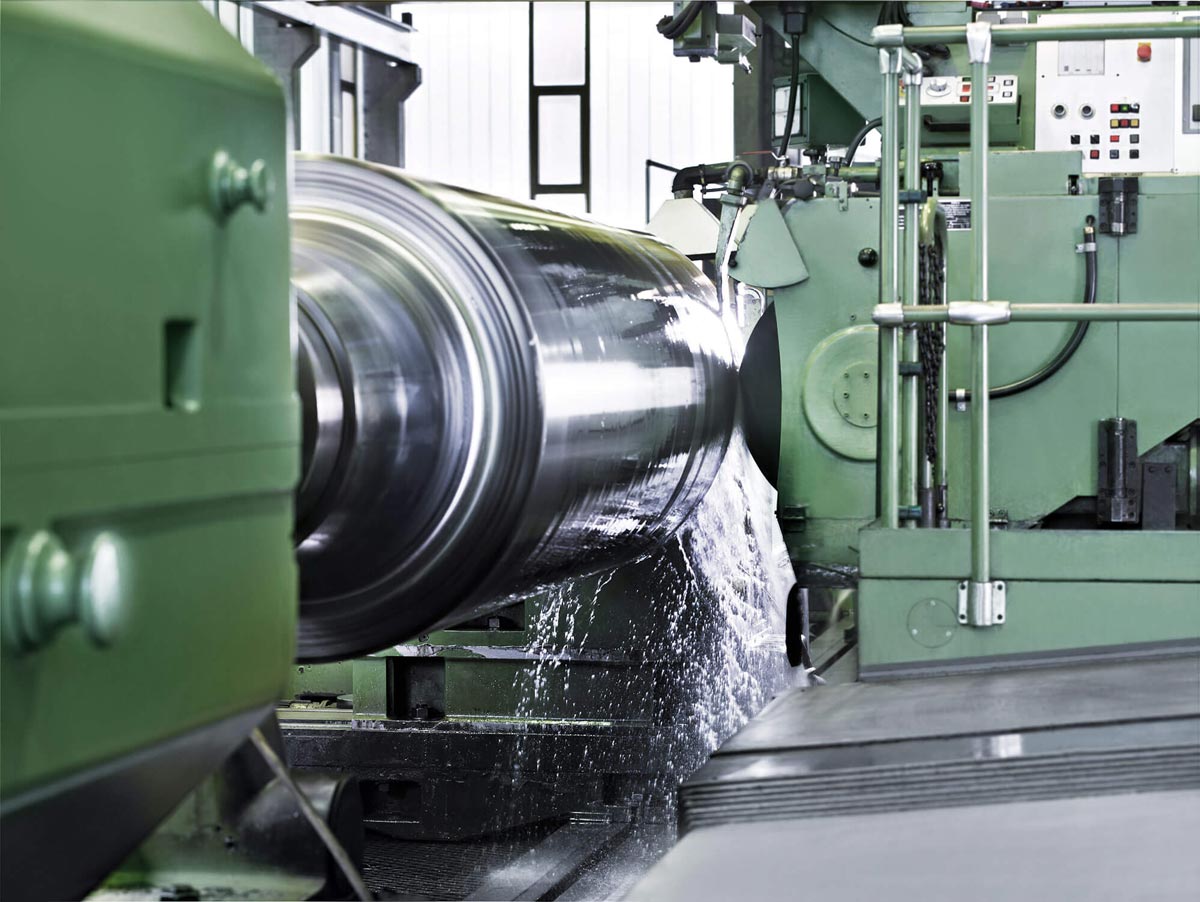



Sheet Metal Processing
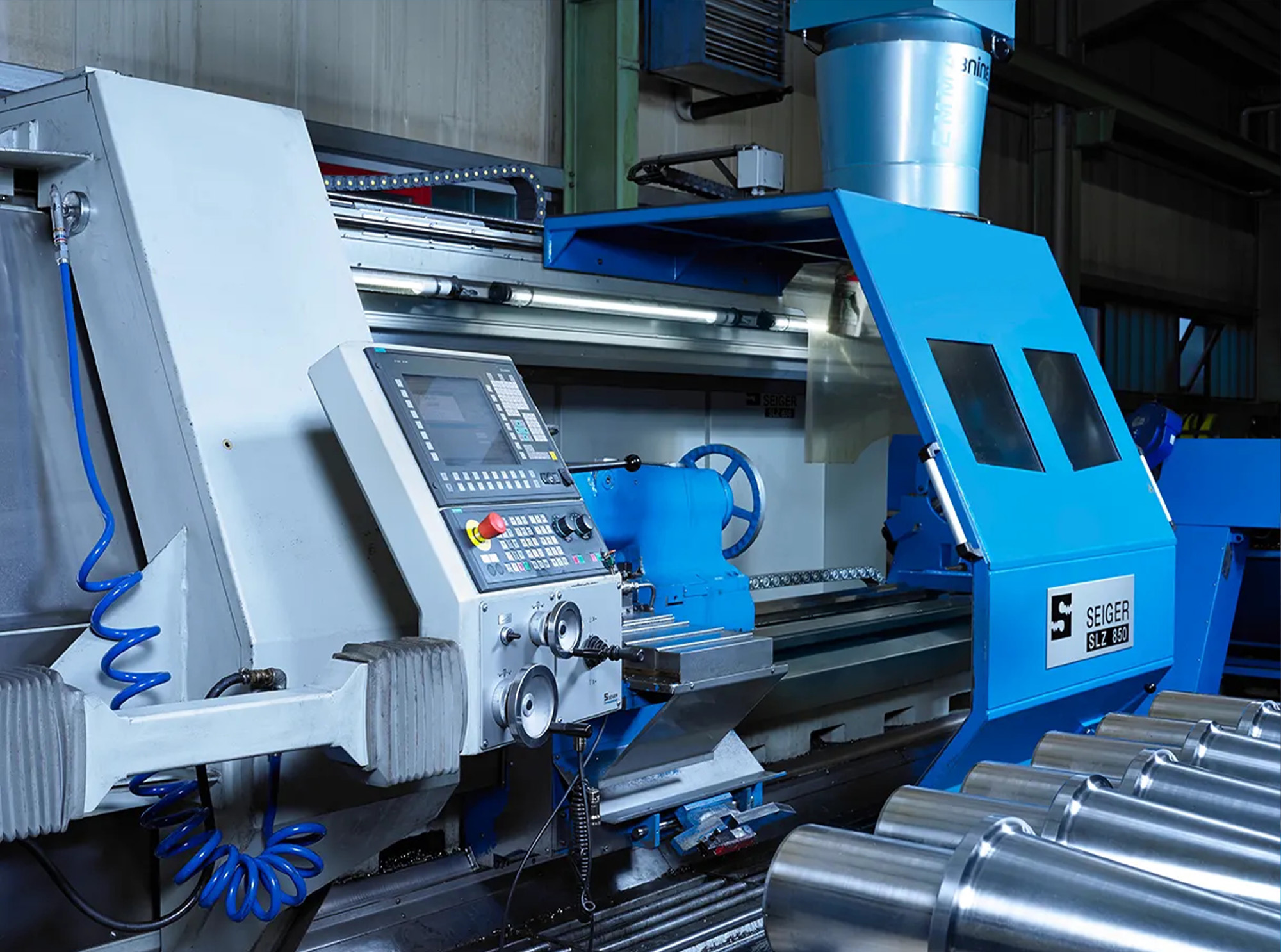
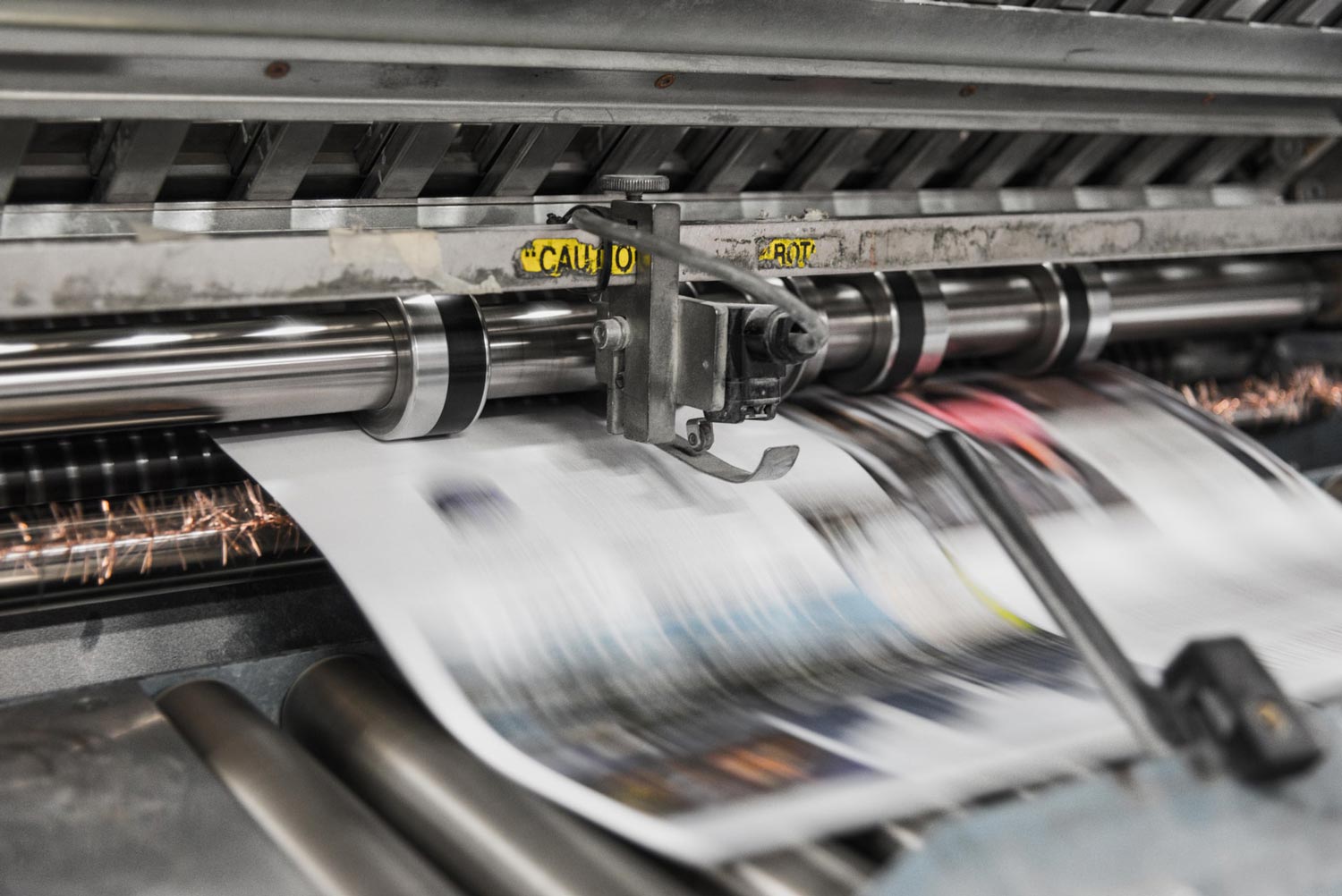
Sheet metal processing encompasses the various processes by which metal sheets are cut, formed, and joined into different shapes and sizes. It includes techniques such as cutting, bending, punching, and welding to manufacture specific components. These processes are essential in numerous industries, including automotive, aerospace, and construction.
What Options Are Available for Sheet Metal Processing?
There are numerous methods available for sheet metal processing, selected depending on the material and the desired end product. The most common methods include:
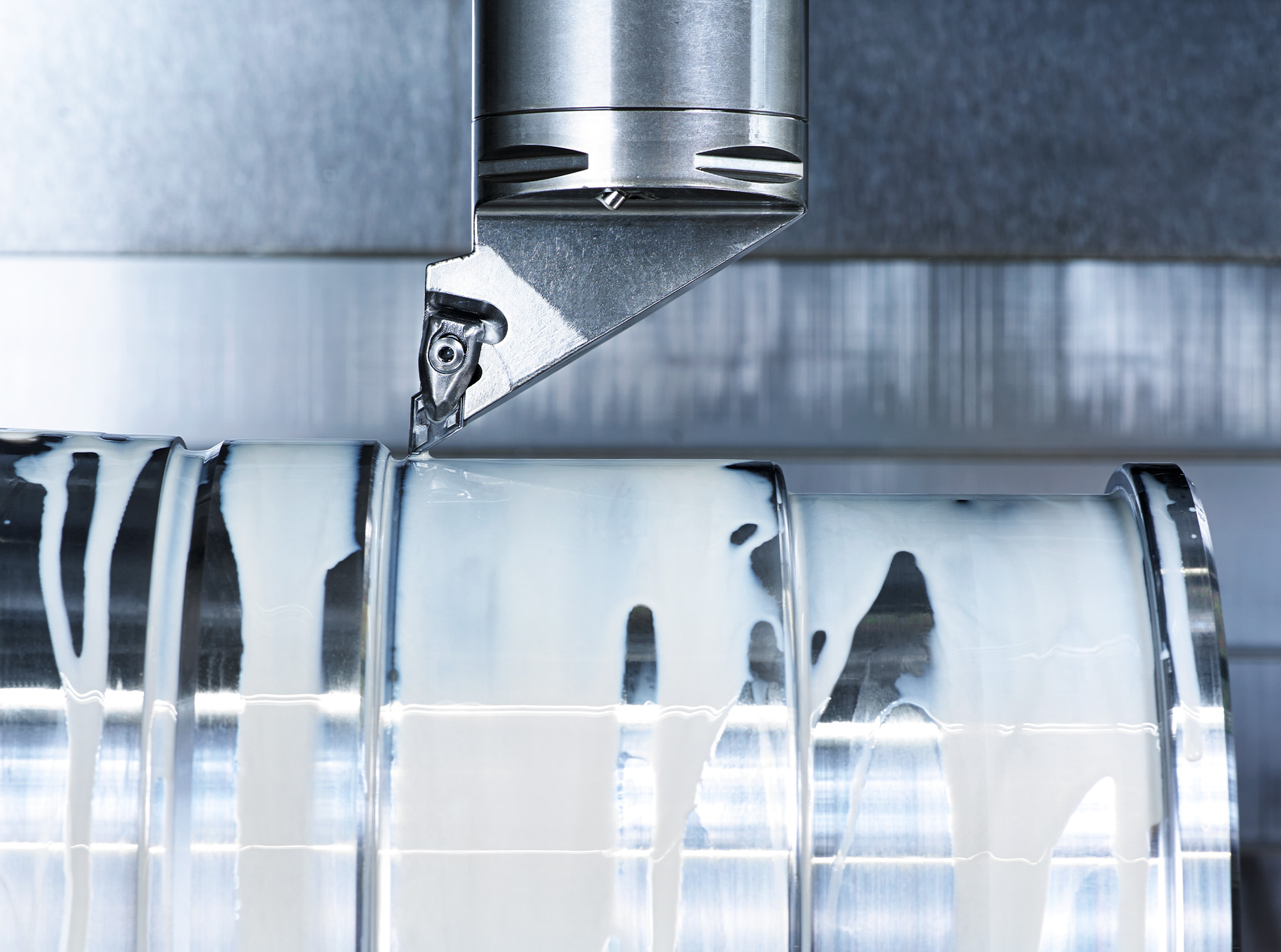
Cutting: This includes laser cutting, waterjet cutting, plasma cutting, and mechanical cutting methods such as shearing. These techniques allow precise cutting of sheet metal into the required shape.
Bending: Processes such as press braking and roll bending are used to bend sheet metal into various angles and forms. Press braking is typically performed on press brakes, while roll bending is used for round or curved shapes.
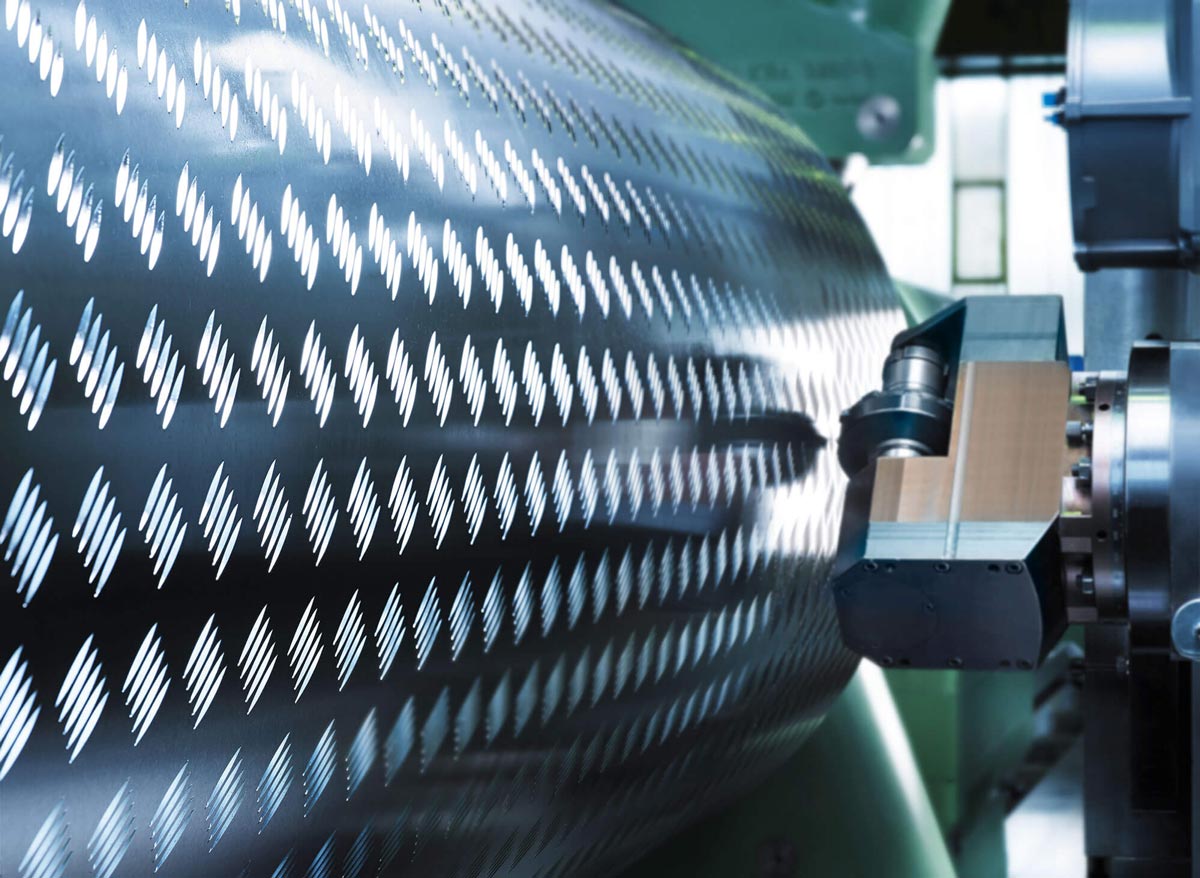
Punching and Pressing: Manually operated machines or modern CNC technologies punch or press shapes and holes into the sheet metal. This can be done using mechanical or hydraulic presses.
Welding: Welding techniques such as MIG/MAG, TIG, and spot welding permanently join sheet metal parts. These methods are particularly useful in the production of complex assemblies and structures.
Forming: Processes such as deep drawing and metal spinning shape sheet metal into complex three-dimensional structures. Deep drawing uses dies to pull the sheet metal into the desired form.
Surface Treatment: Processes such as electroplating, powder coating, and painting improve corrosion and wear resistance as well as the visual appearance of the sheet metal.
Each of these techniques offers specific advantages and challenges, making them suitable for different applications and materials. The selection of the appropriate method depends on factors such as material type, sheet thickness, required precision, and production volume.
How Does the Material Affect Sheet Metal Processing?
The material used has a decisive impact on sheet metal processing, as the physical and mechanical properties of the metal strongly influence the choice of processing techniques. Harder materials such as stainless steel or titanium require more powerful cutting and bending processes and wear-resistant tools, while softer materials such as aluminum or copper are easier to machine. However, due to their lower hardness, they are more susceptible to deformation and damage.
Material thickness also plays a significant role. Thinner sheets are easier to cut and bend, but they also carry risks. Insufficient thickness can lead to cracking and deformation if handled improperly. Thicker sheets require more powerful machinery and can be more difficult to form during bending or deep drawing operations. Alloy composition can also affect sheet metal processing, particularly with regard to weldability and surface treatment. Some alloys are sensitive to high temperatures and require special welding techniques.
Corrosion-resistant materials such as galvanized steel or stainless steel may require little or no surface treatment. Other materials, however, require additional coatings or painting to ensure durability.
Only by selecting the right material can efficient and high-quality sheet metal processing be ensured.
FAQ
Sheet metal processing includes processes such as cutting, bending, punching, and welding to shape metal sheets into various forms and sizes. These methods are essential in many industries, including automotive, aerospace, and construction.
Harder materials, such as stainless steel, require more powerful processing techniques and wear-resistant tools. Softer materials, such as aluminum, are easier to work with but more susceptible to deformation and damage.