

















BTA Deep Hole Drilling
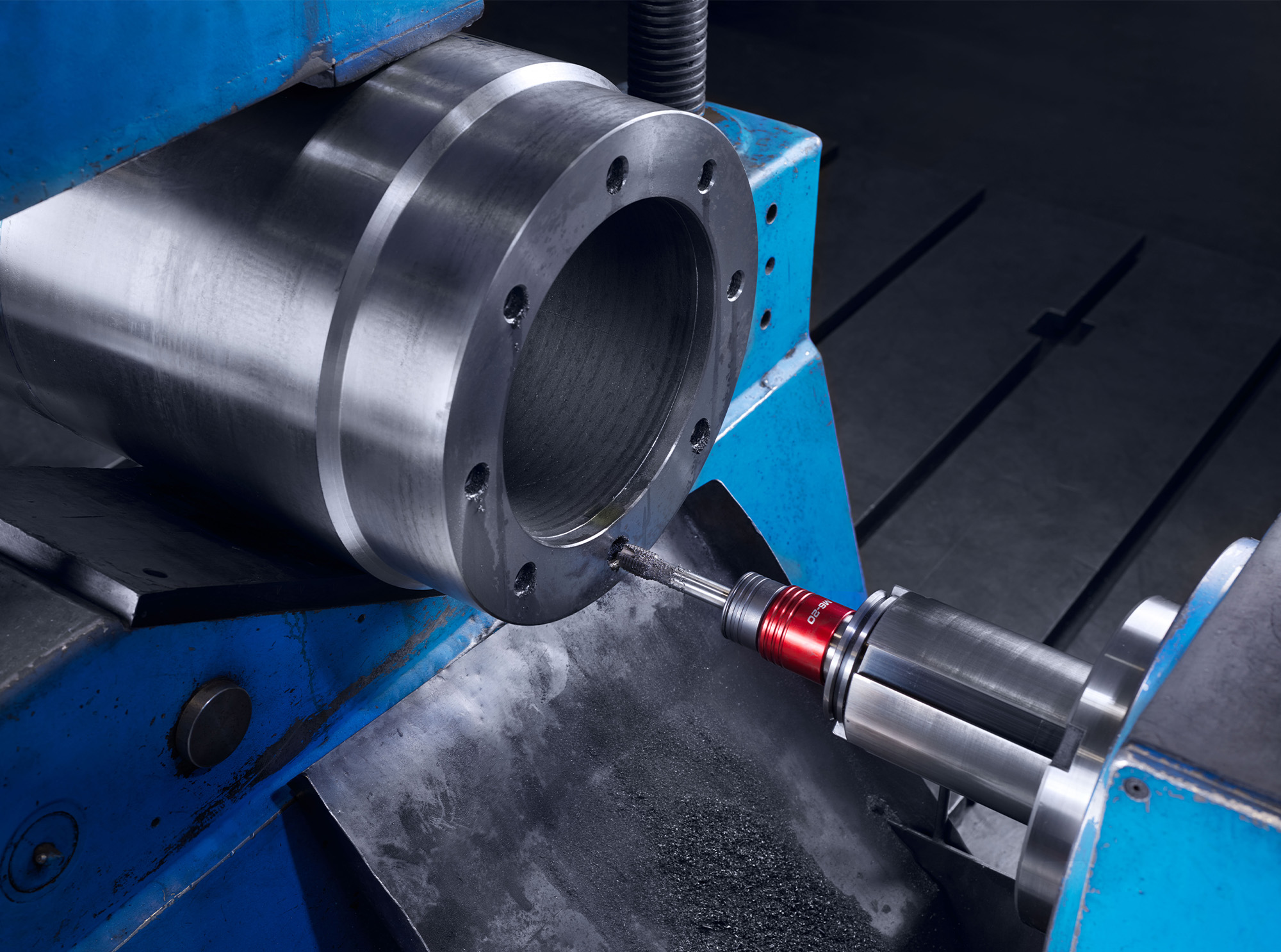
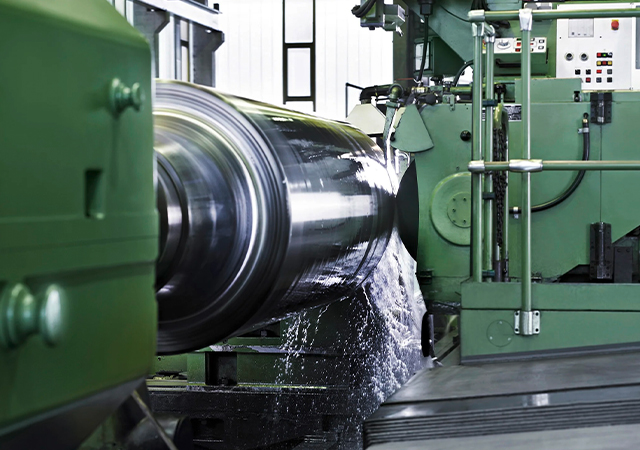
BTA deep hole drilling (Boring and Trepanning Association) is a method for creating deep and precise holes in metal materials. It is specifically used for applications that require deep drilling with high accuracy and surface quality. The process employs a specialized drill tube with internal coolant supply and integrated chip removal.
How Does BTA Deep Hole Drilling Work?
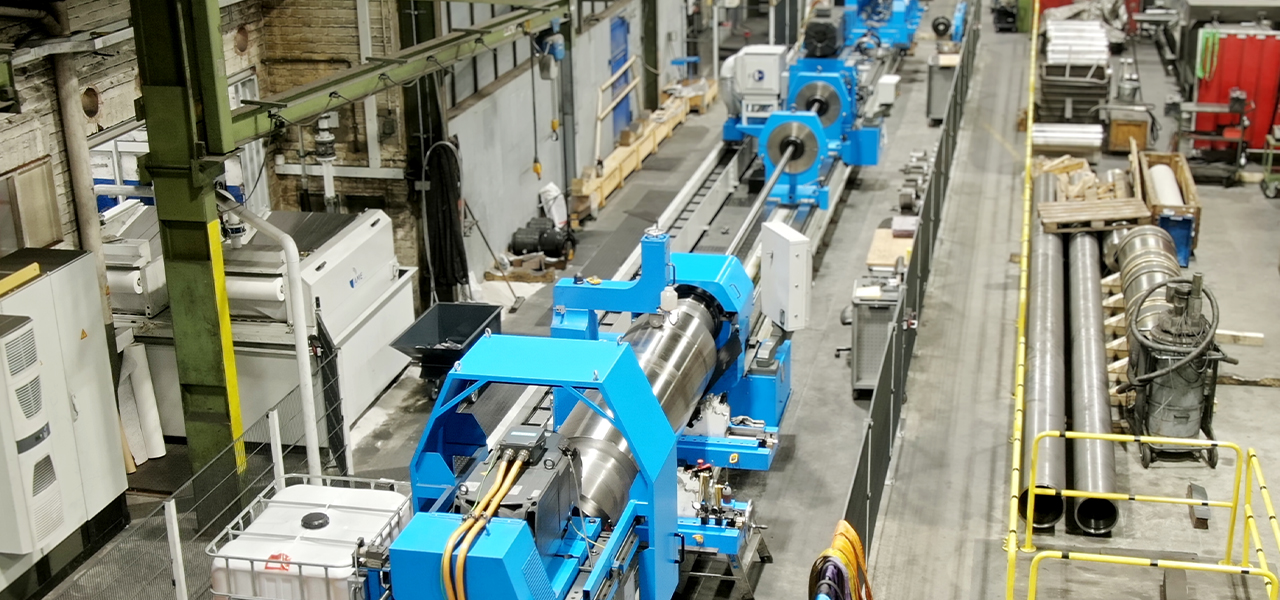
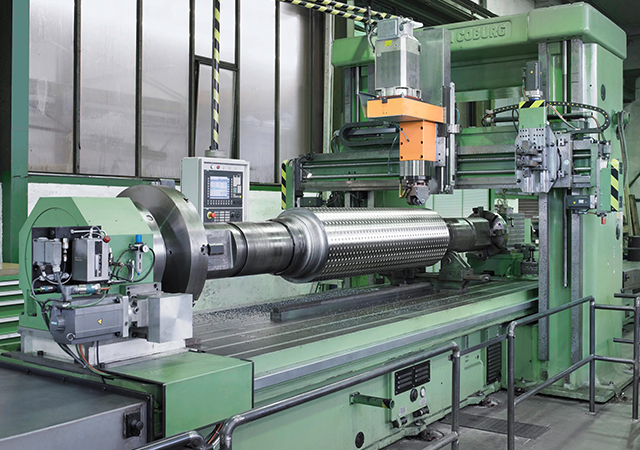
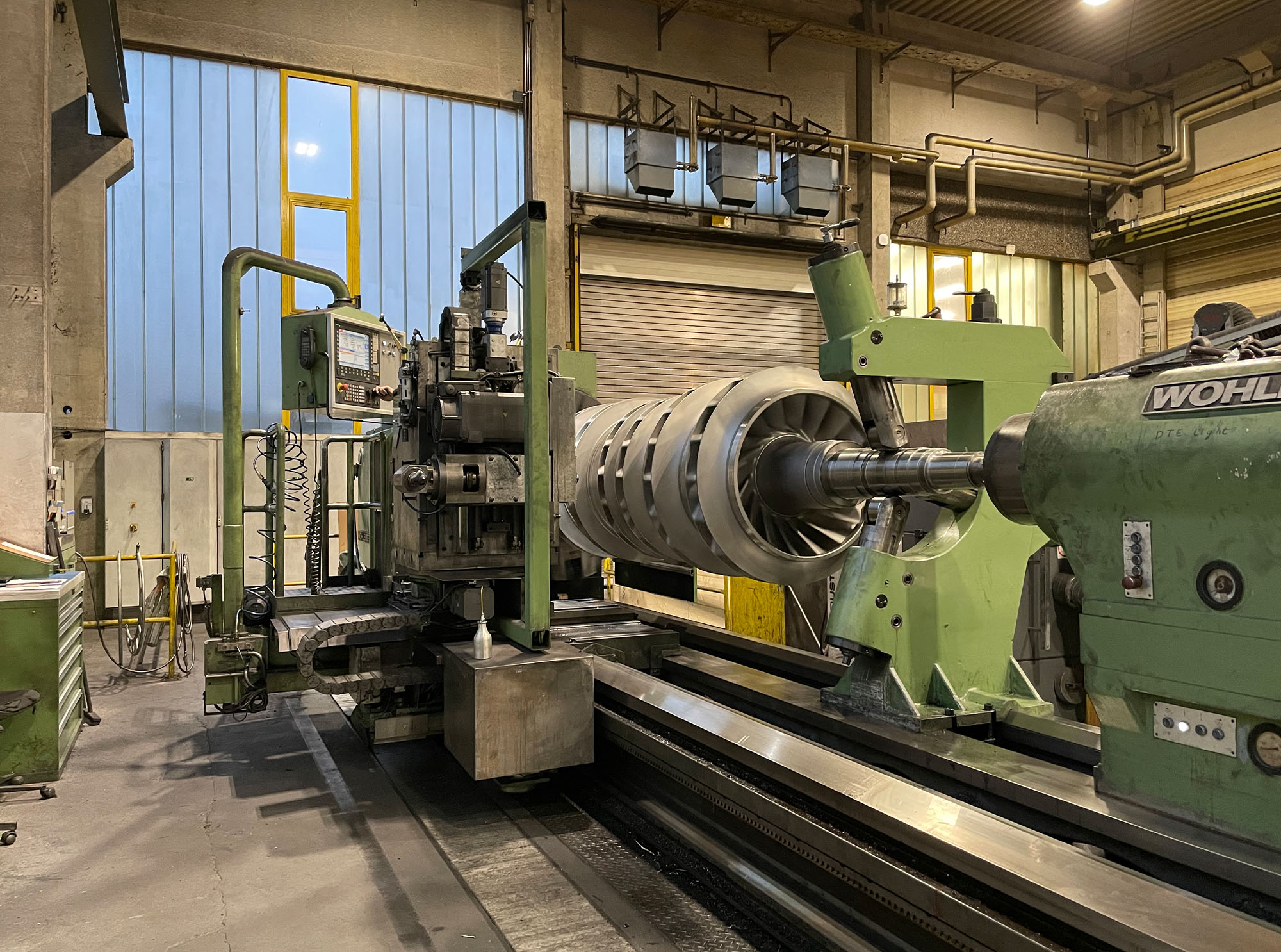
BTA deep hole drilling is a highly precise method for drilling deep and straight holes in metal components. To perform the BTA process, a drill oil supply unit (BOZA) and a workpiece seal are required. The process begins with a specialized drill tube equipped with internal coolant supply and chip evacuation. The drilling is carried out through the hollow drill tube, with coolant being pressed through the tube into the bore. Chips generated during drilling are transported out through the interior of the drill tube.
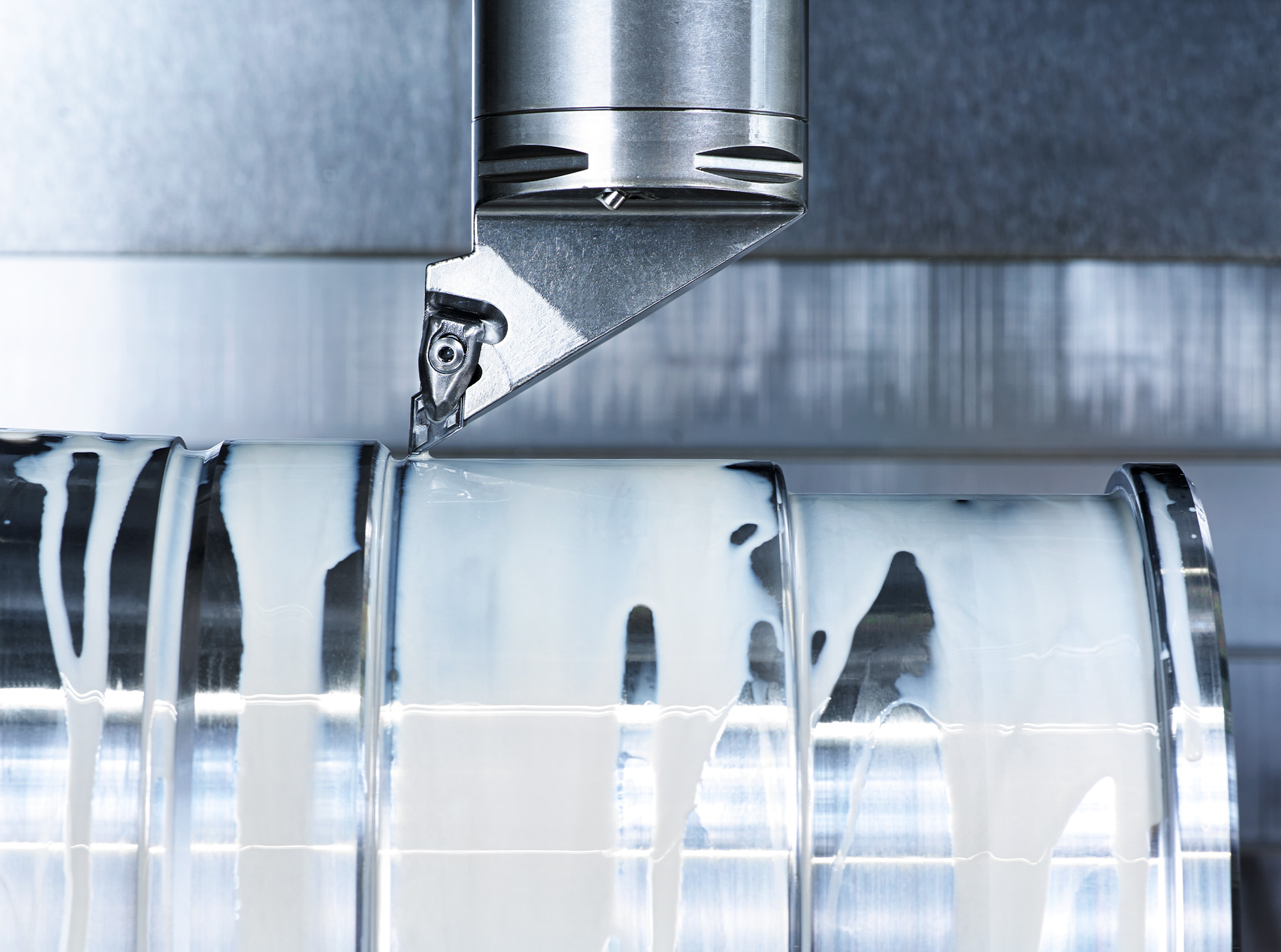
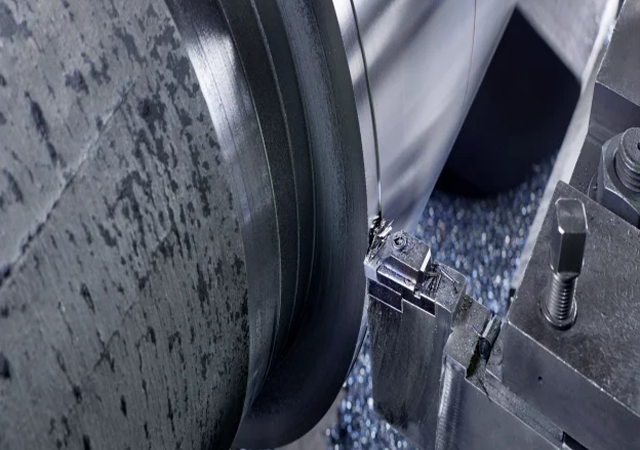
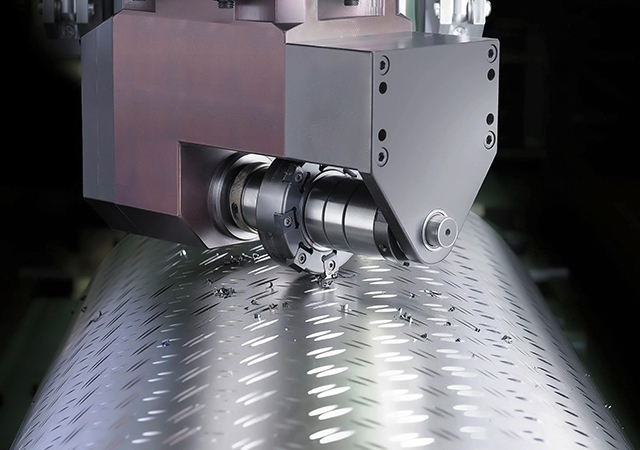
BTA deep hole drilling systems feature a drill head at the end, equipped with carbide cutting inserts, which efficiently remove material. The coolant flow inside the BTA tool serves multiple functions: it cools the cutting inserts, lubricates the cutting interface, and flushes chips out of the bore. This continuous chip removal allows uninterrupted drilling and significantly improves surface quality.
The method also enables drilling very deep holes with a high diameter-to-length ratio, which is difficult to achieve with conventional drilling methods.
Advantages of BTA Deep Hole Drilling
BTA deep hole drilling offers several advantages that make it a preferred method for deep and precise holes:
- High precision and surface quality: Achieved through the special design of the drill tube and internal chip removal. Unlike conventional drilling, where chips can interfere and cause interruptions, the BTA method continuously removes chips through the hollow drill tube.
- Ability to drill extremely deep holes: The method handles high diameter-to-length ratios, producing deep holes with exceptional straightness and accuracy.
- Reduced tool wear: Constant cooling and lubrication of the cutting inserts extend tool life, lowering operational costs.
- Higher drilling speeds: Increase overall process efficiency.
These advantages make BTA deep hole drilling superior to traditional drilling methods.
Disadvantages of BTA Deep Hole Drilling
Despite its benefits, BTA deep hole drilling also has some disadvantages:
- High investment costs: Specialized machines and tools are required.
- Need for skilled personnel: Precise operation requires trained operators, which increases operational costs.
- Process complexity: May result in longer processing times.
- Material and size limitations: Not all materials and bore diameters are suitable for the method.
However, these limitations can be mitigated by using a service provider with the necessary expertise and equipment. hhpm by Breitenbach is such a provider, offering both the technical capabilities and experienced personnel to perform BTA deep hole drilling with high precision.
Industries Where BTA Deep Hole Drilling is Important
BTA deep hole drilling is essential for manufacturing components across numerous industries:
- Aerospace: For creating precise and deep holes in structural components.
- Mechanical engineering: For extremely straight and deep holes in machine parts.
- Oil and gas: For producing drill rods that withstand high loads.
- Automotive and medical technology: Ensures high-quality, reliable results.
The method guarantees high-quality and reliable results in many other sectors as well.
FAQ
BTA deep hole drilling is a method used to create deep and precise holes in metal workpieces. It employs a specialized drill tube with internal coolant supply and integrated chip removal.
The process uses a hollow drill tube with internal coolant supply and chip removal. The coolant cools the cutting inserts and flushes the chips out through the drill tube.
BTA deep hole drilling offers high precision and excellent surface finish, as well as the ability to drill very deep holes. It minimizes tool wear and increases efficiency through continuous chip removal.