











DIN 8550
DIN 8550 defines the terms, classifications, and categories of manufacturing processes in production engineering. It covers processes for producing geometrically defined solid bodies and organizes them into main groups such as forming, shaping, cutting, joining, coating, and altering material properties. This standard ensures uniform terminology and standards, facilitating communication and technical collaboration.
What Does DIN 8550 Specify in Detail?
DIN 8550 establishes the terms, classifications, and categories of manufacturing processes used to produce geometrically defined solid bodies (workpieces). It distinguishes between different main groups of processes based on the fundamental principles of shaping and altering material cohesion. The six main groups according to DIN 8550 are:
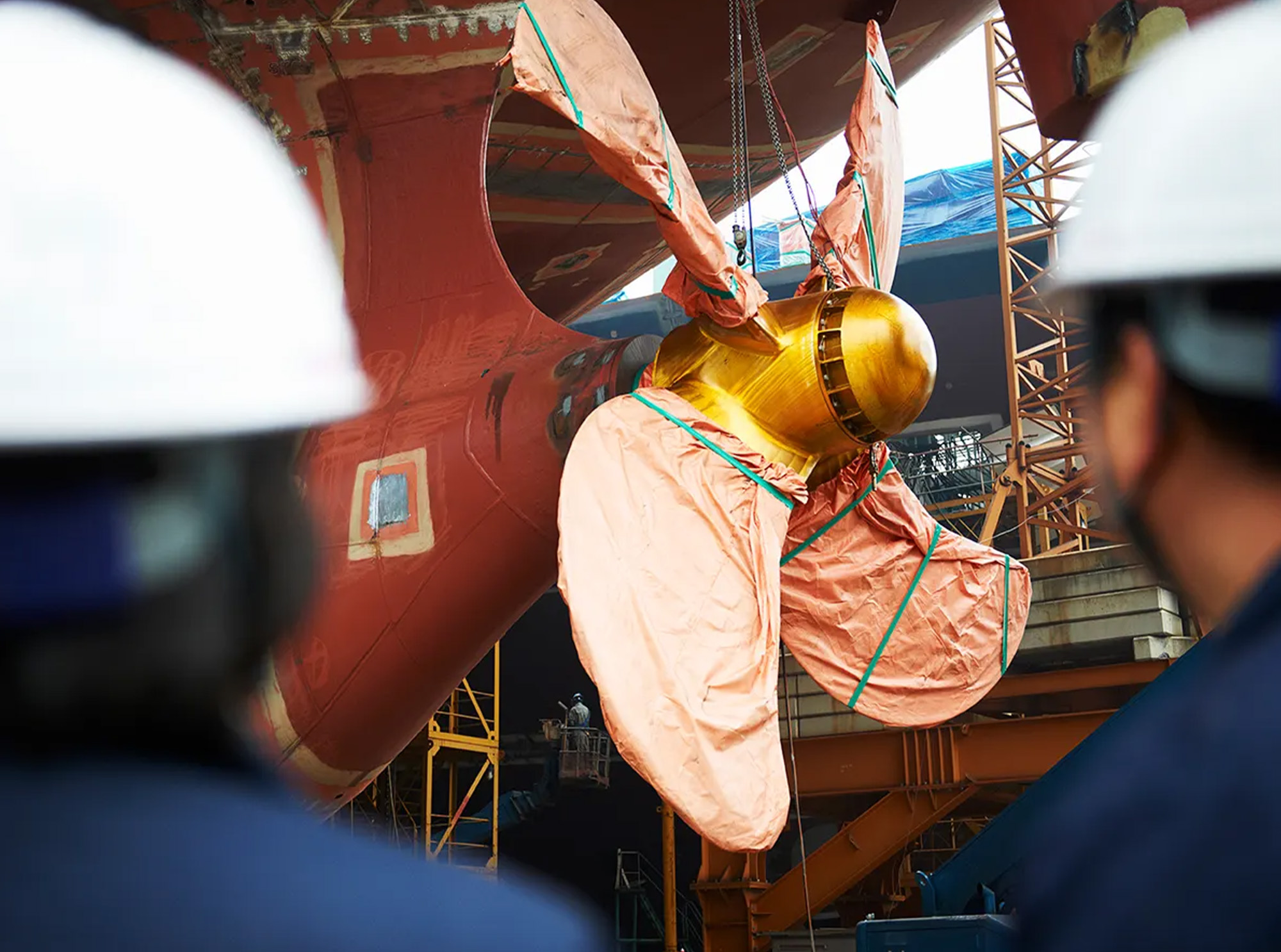
Forming: Processes in which a workpiece is created from raw material, such as casting, sintering, and 3D printing.
Shaping: Workpieces are transformed into new geometries by deformation without adding or removing material. Typical processes include rolling and forging.
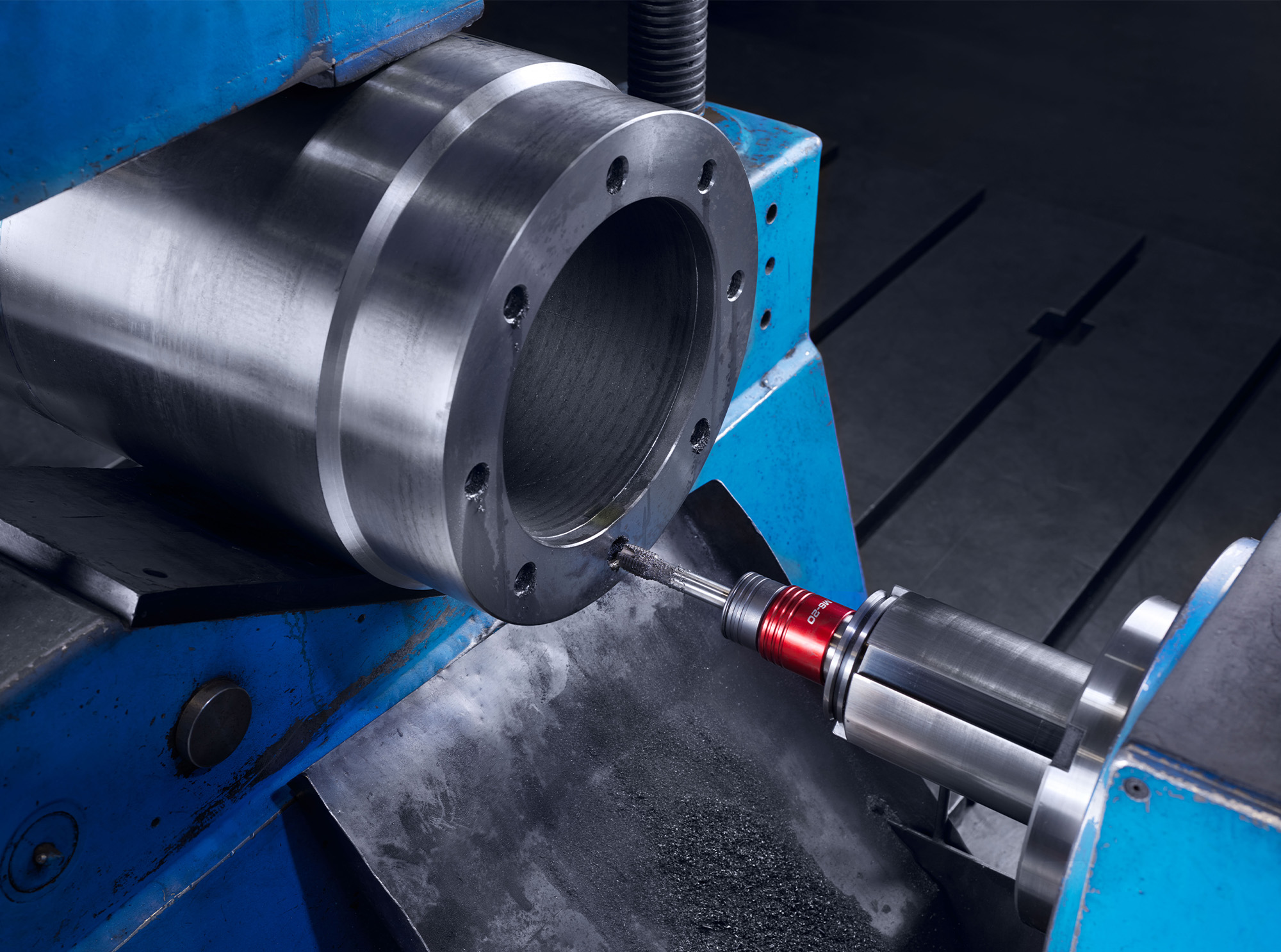
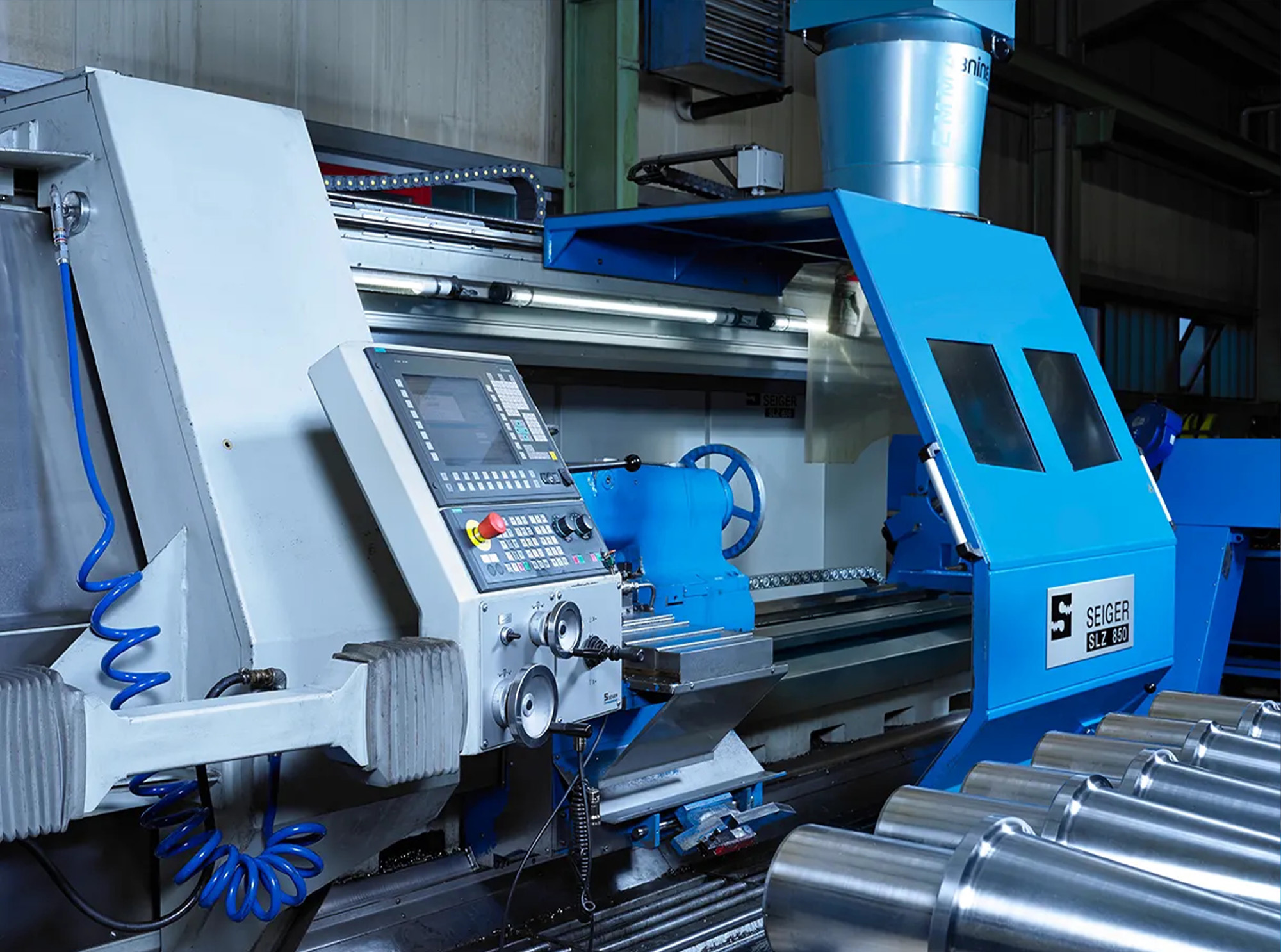
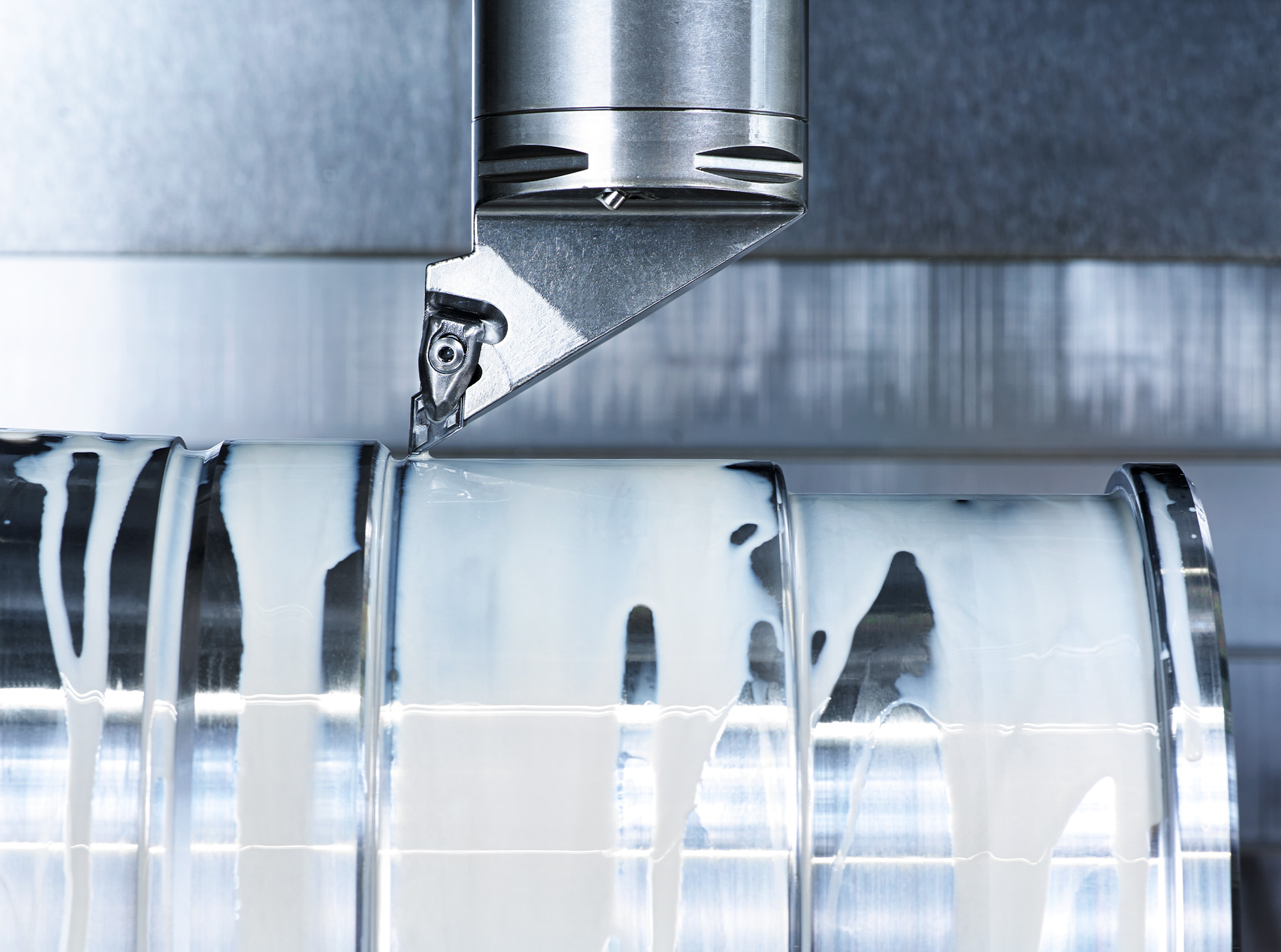
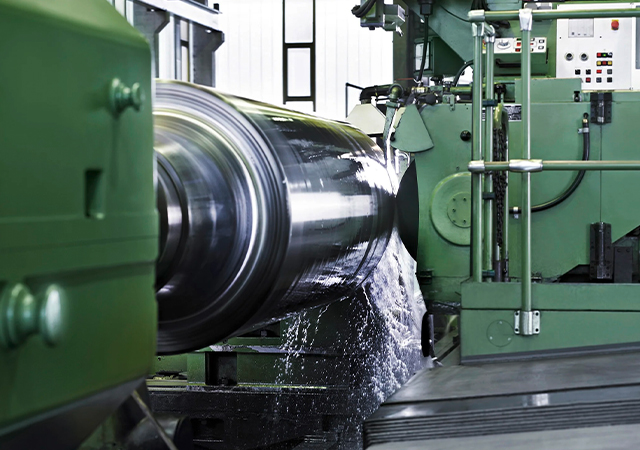
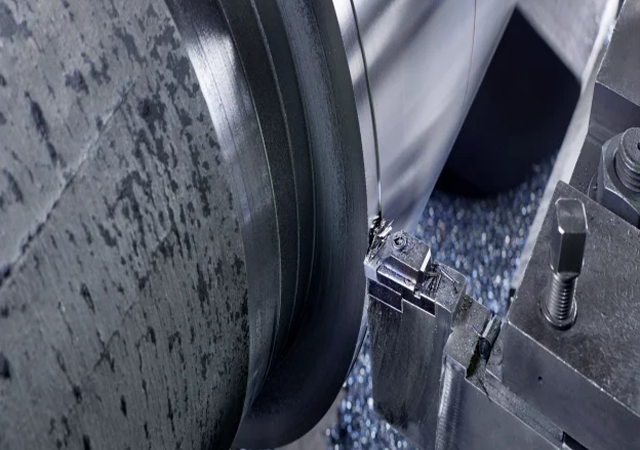
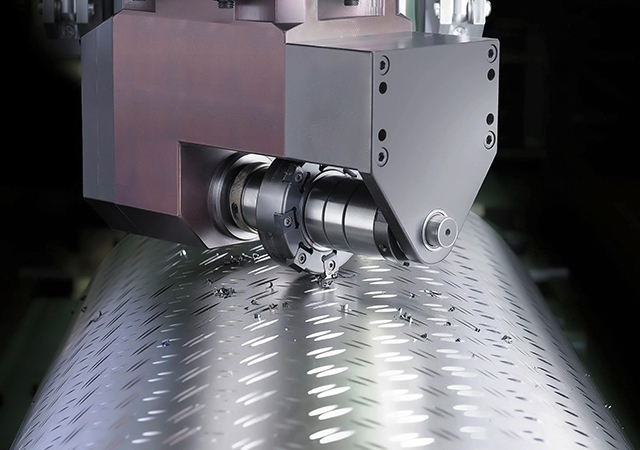
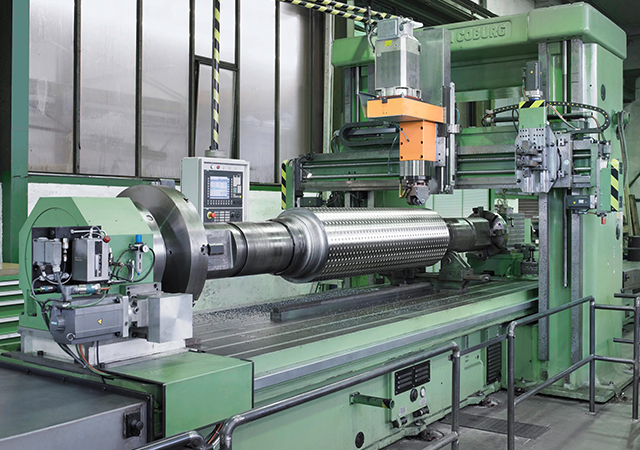
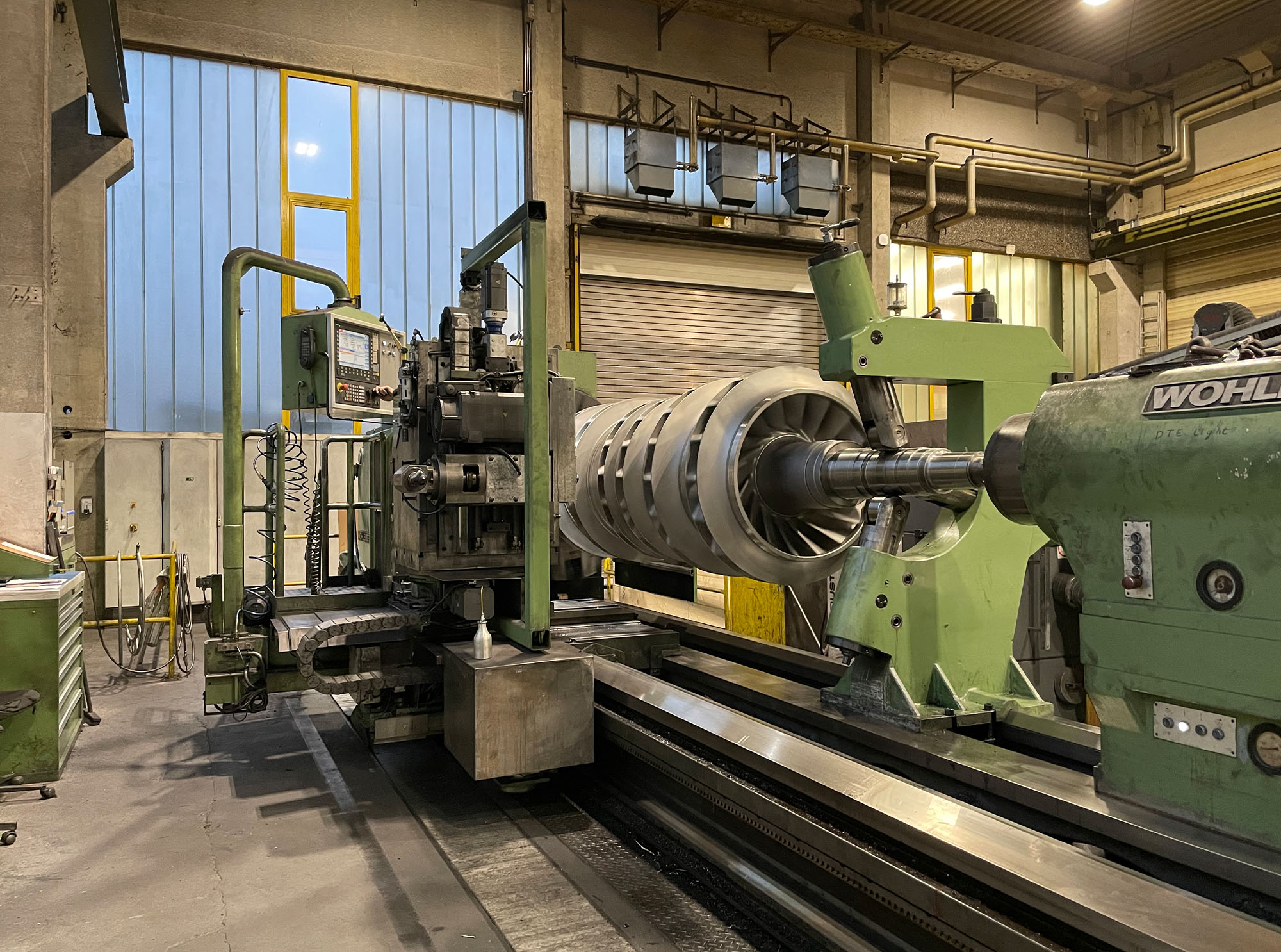
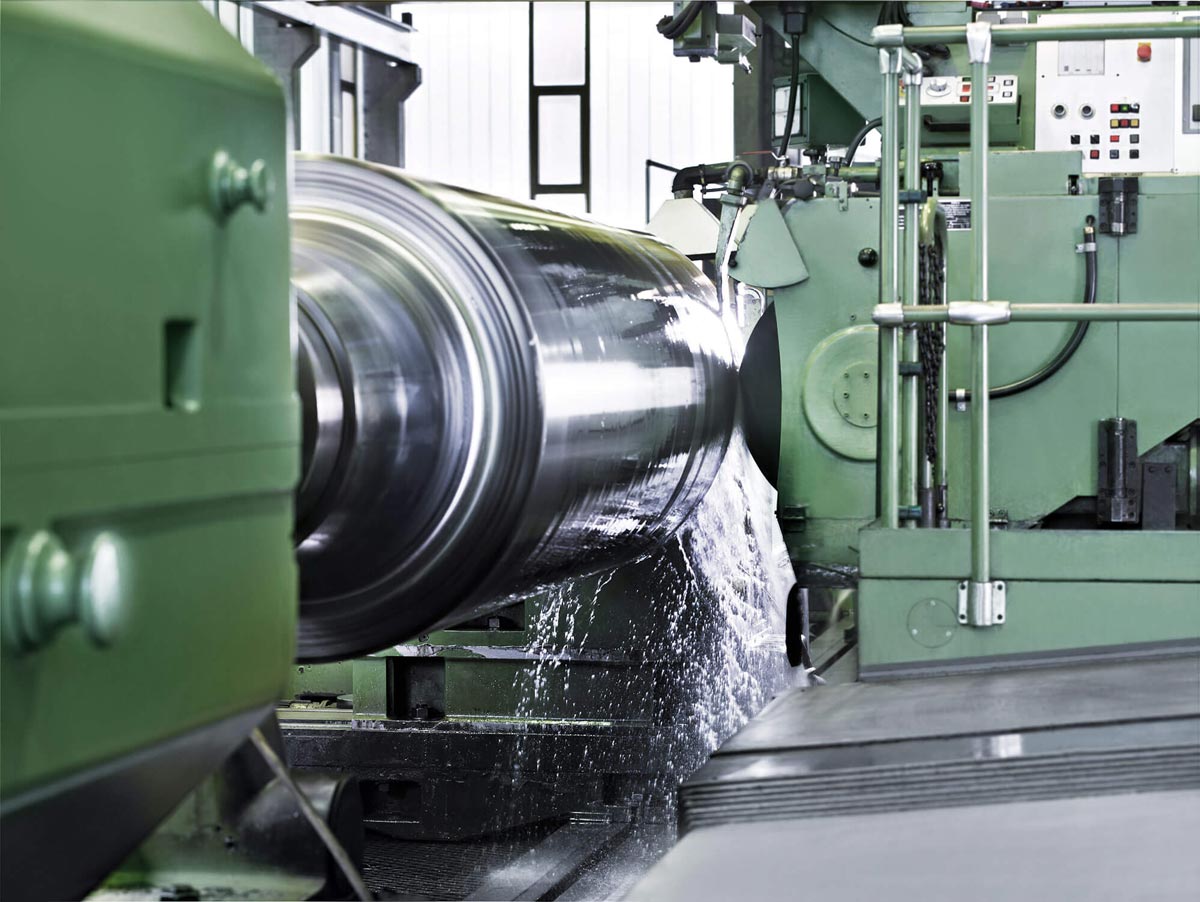
Cutting: The shape of a workpiece is modified by material removal or division, e.g., machining, sawing, turning, and milling.
Joining: Multiple workpieces or components are connected. Typical methods include welding, soldering, and adhesive bonding.
Coating: Thin layers of material are applied to workpieces, for example by painting, electroplating, or hot-dip galvanizing.
Altering Material Properties: Processes that modify the properties of the material, such as hardening and annealing.
DIN 8550 ensures that these processes are classified according to common principles, providing uniform and clear communication in production engineering. This makes it easier to select suitable processes for specific manufacturing tasks and supports quality assurance in production.
Relevance of DIN 8550 for Contract Manufacturing
DIN 8550 is particularly relevant for contract manufacturing because it provides a standardized terminology and classification for all manufacturing processes. In contract manufacturing, where companies perform specialized processing tasks for their clients, clear and precise communication is essential. By categorizing manufacturing processes into six main groups, DIN 8550 offers a structured framework that minimizes misunderstandings and simplifies the selection of appropriate processing methods.
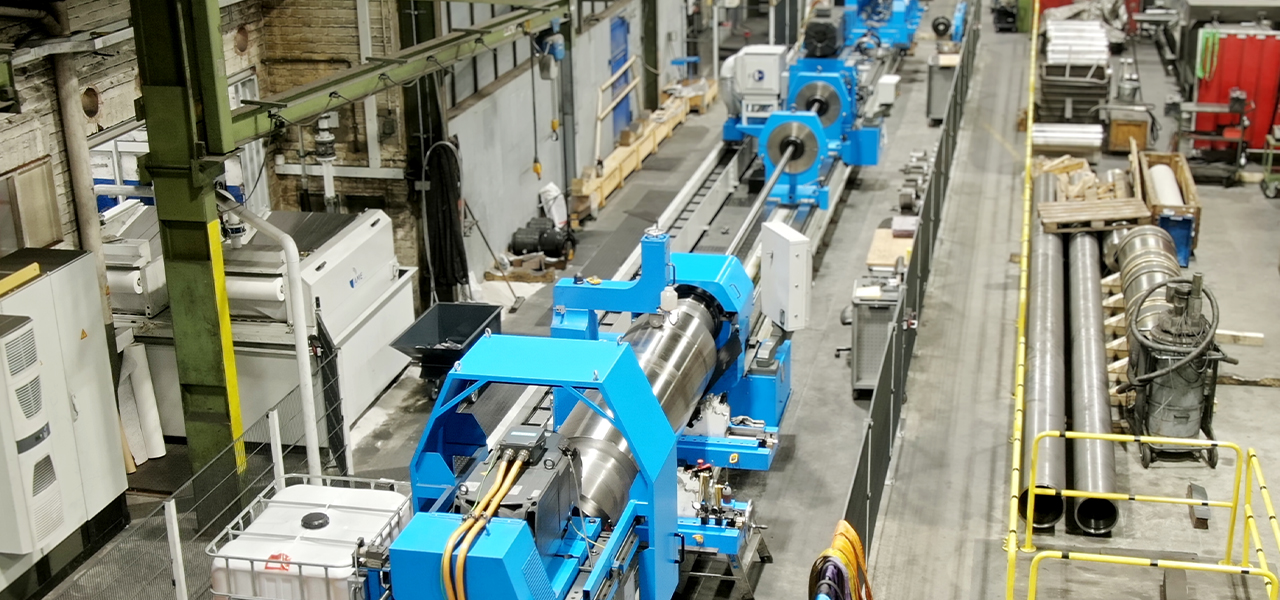
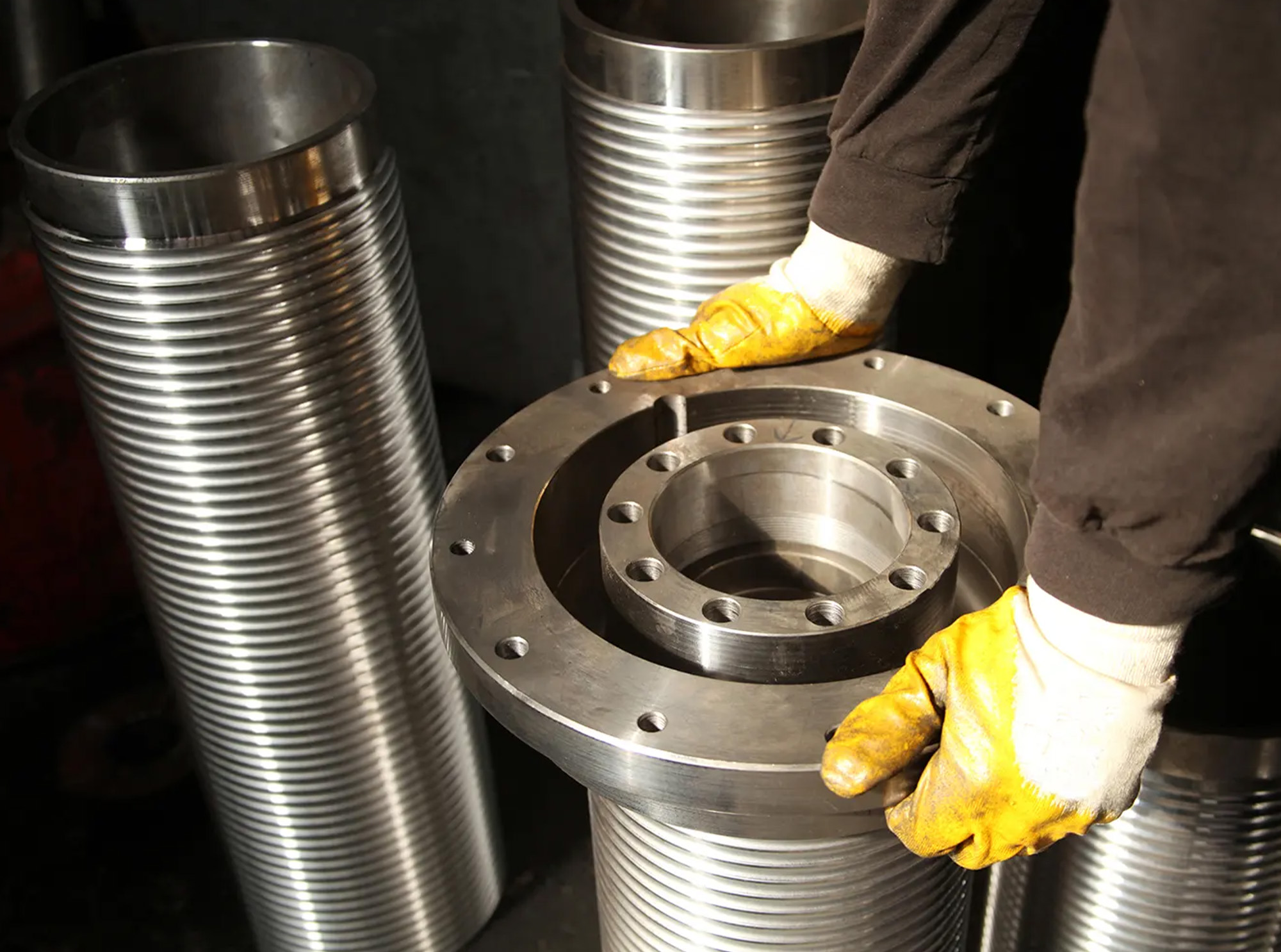
This is especially important for companies like hhpm by Breitenbach, which provide a wide range of services, including rough turning, finish turning, grinding, deep hole drilling, and milling. The standard helps clearly define customer requirements and ensures that the chosen processes meet technical specifications. Furthermore, DIN 8550 supports quality assurance and process optimization by establishing standardized terms and procedures, enabling more efficient and precise manufacturing.
FAQ
DIN 8550 defines the terms, classifications, and categories of manufacturing processes in production engineering. It covers processes for producing geometrically defined solid bodies and organizes them into main groups. This standard ensures uniform terminology and standards, facilitating communication and technical collaboration.
DIN 8550 divides manufacturing processes into six main groups: forming, shaping, cutting, joining, coating, and altering material properties. This classification is based on the fundamental principles of shaping and changing the cohesion of the material. Each main group includes specific processes such as casting, forging, machining, welding, and hardening.
DIN 8550 facilitates the selection of suitable manufacturing processes for specific tasks and supports quality assurance in production. It ensures clear and consistent communication in production engineering, which is particularly important for companies performing specialized machining tasks.