

















Chamfer
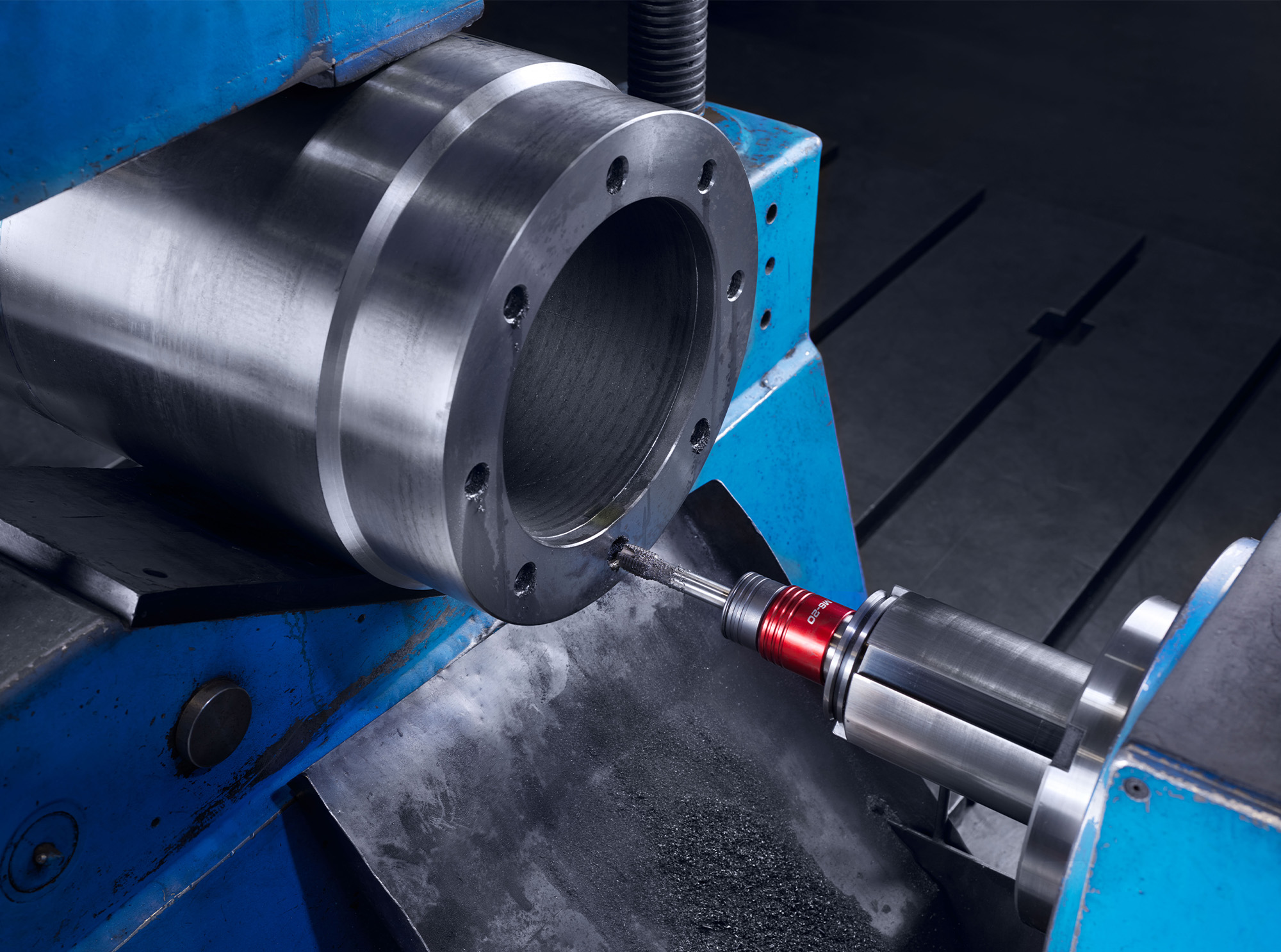
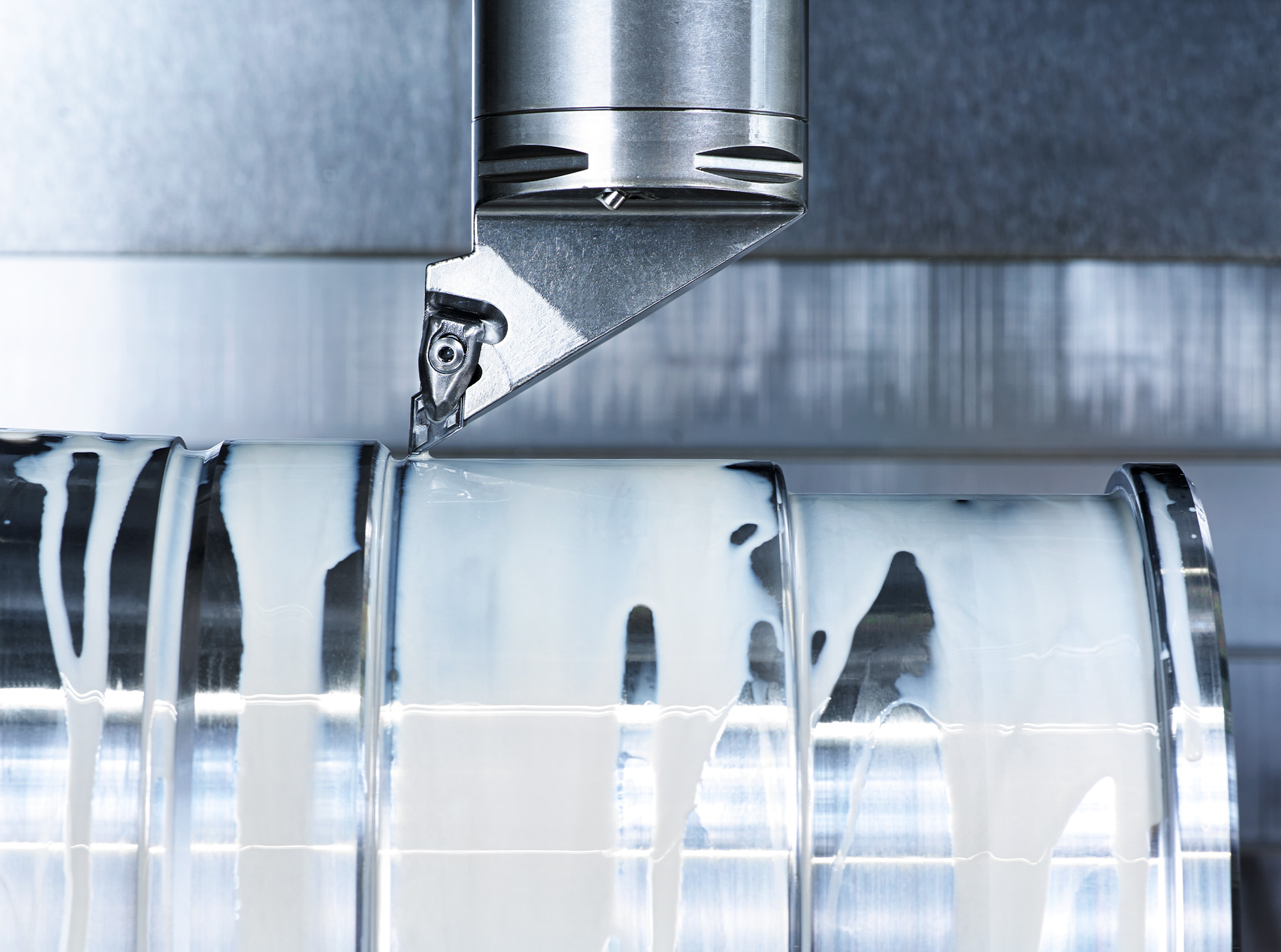
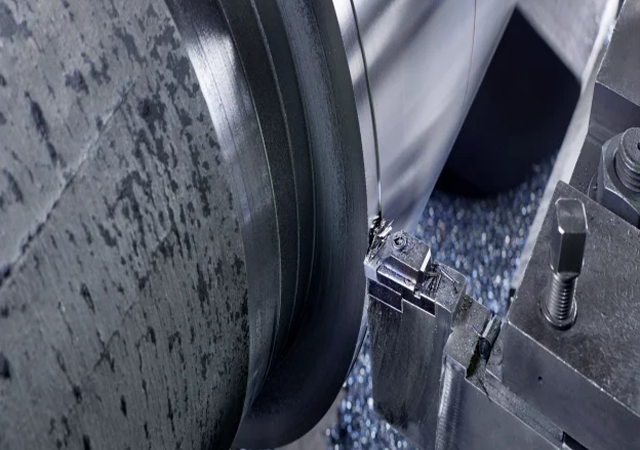
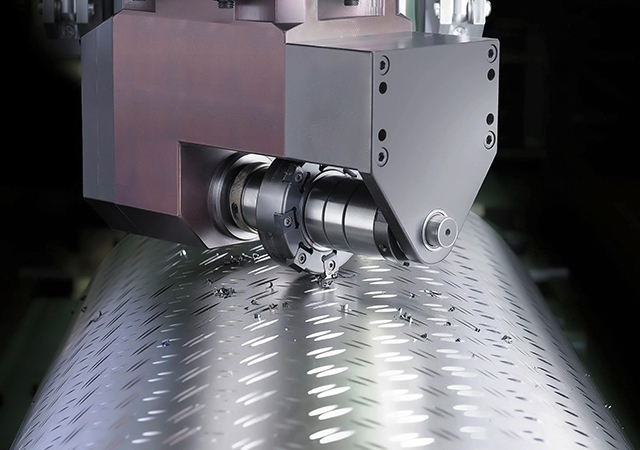
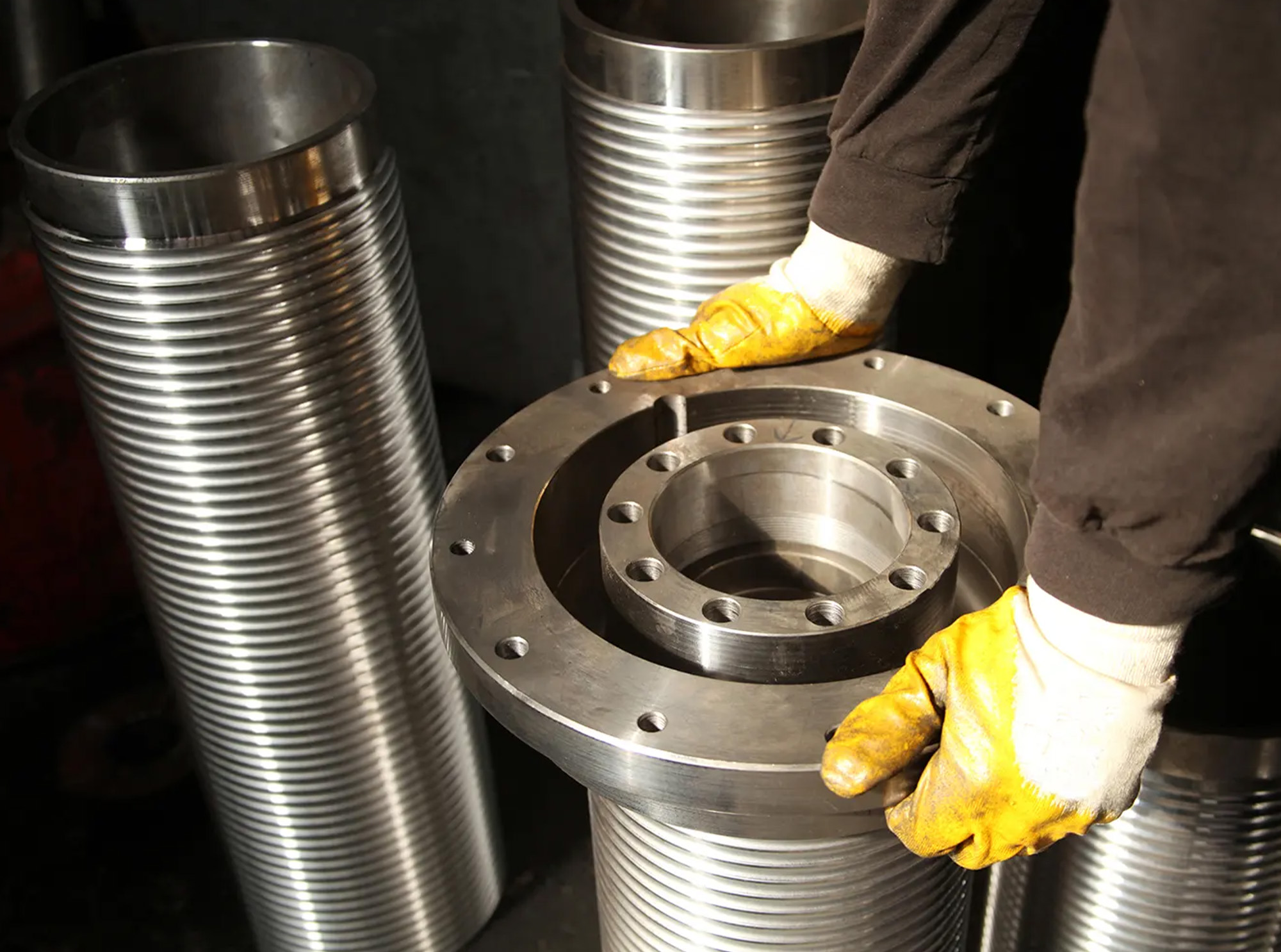
A chamfer is a beveled edge on a workpiece or component, typically set at a specific angle to the original surface. It is primarily used to remove sharp edges or to improve the fit when assembling parts. Chamfers are common in various crafts and industrial fields, such as mechanical engineering or woodworking.
Chamfers in Contract Manufacturing
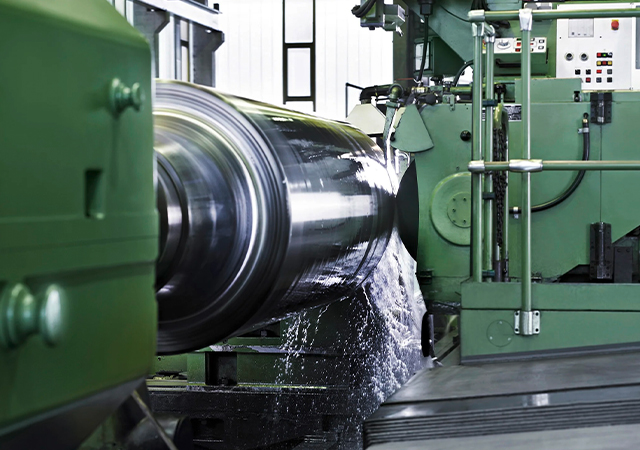
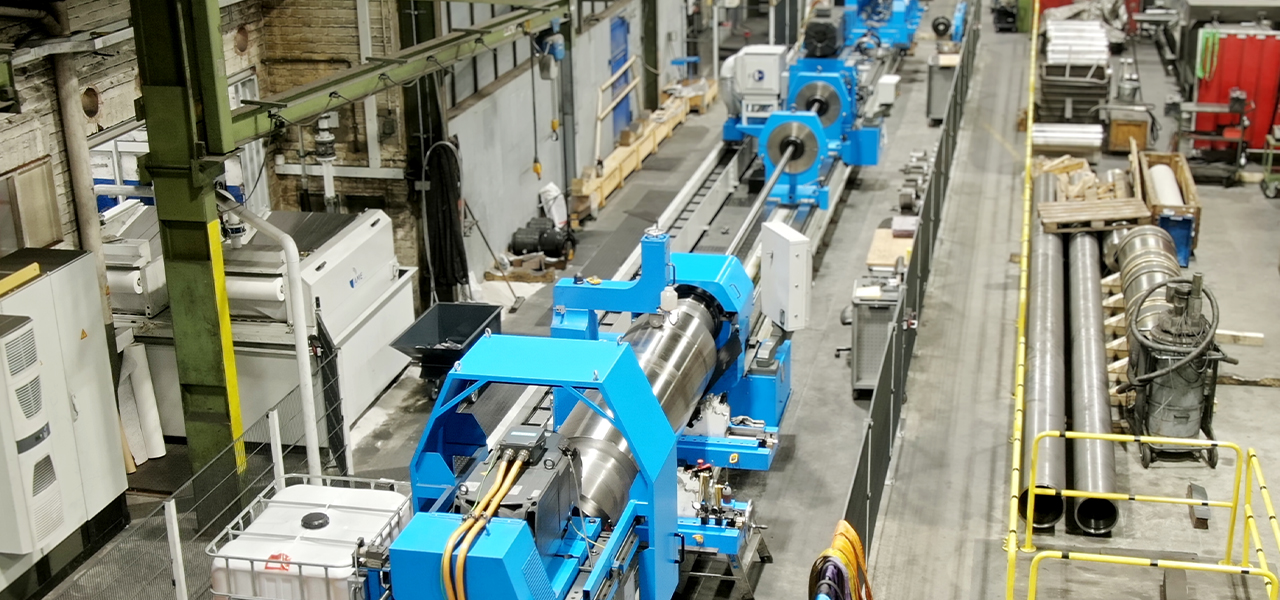
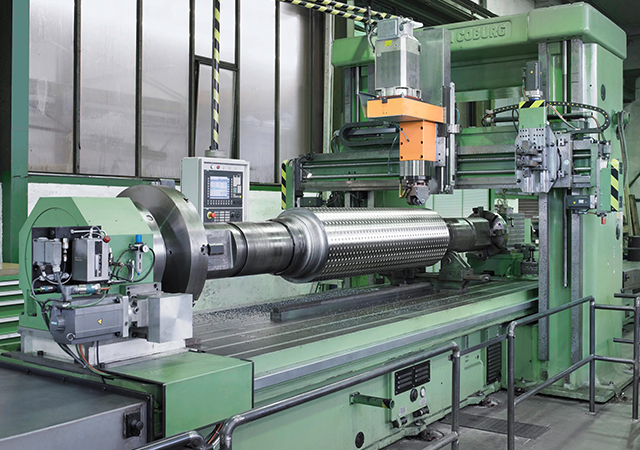
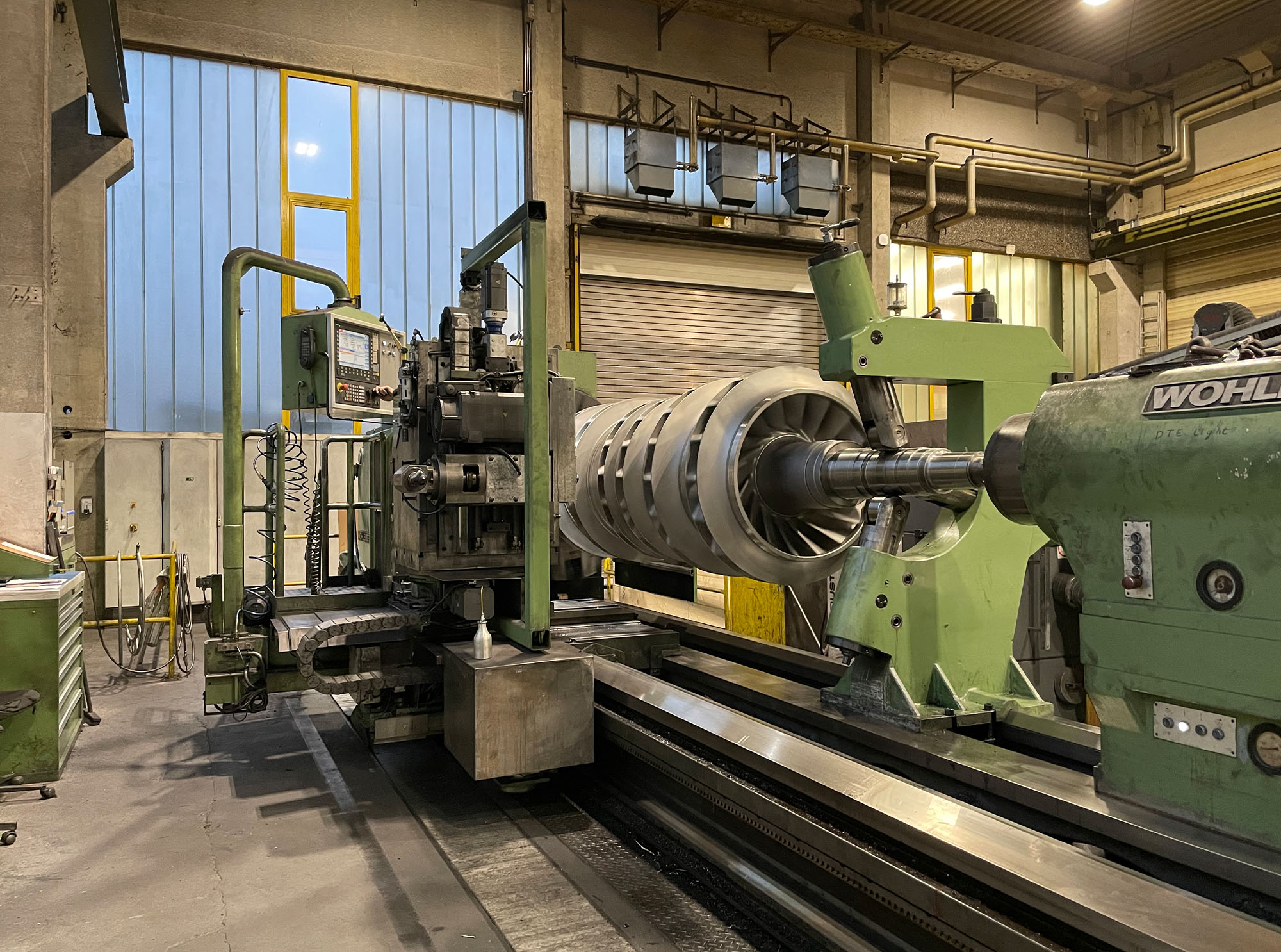
Chamfering, a technique for beveling edges, can be applied across the various services offered by hhpm by Breitenbach.
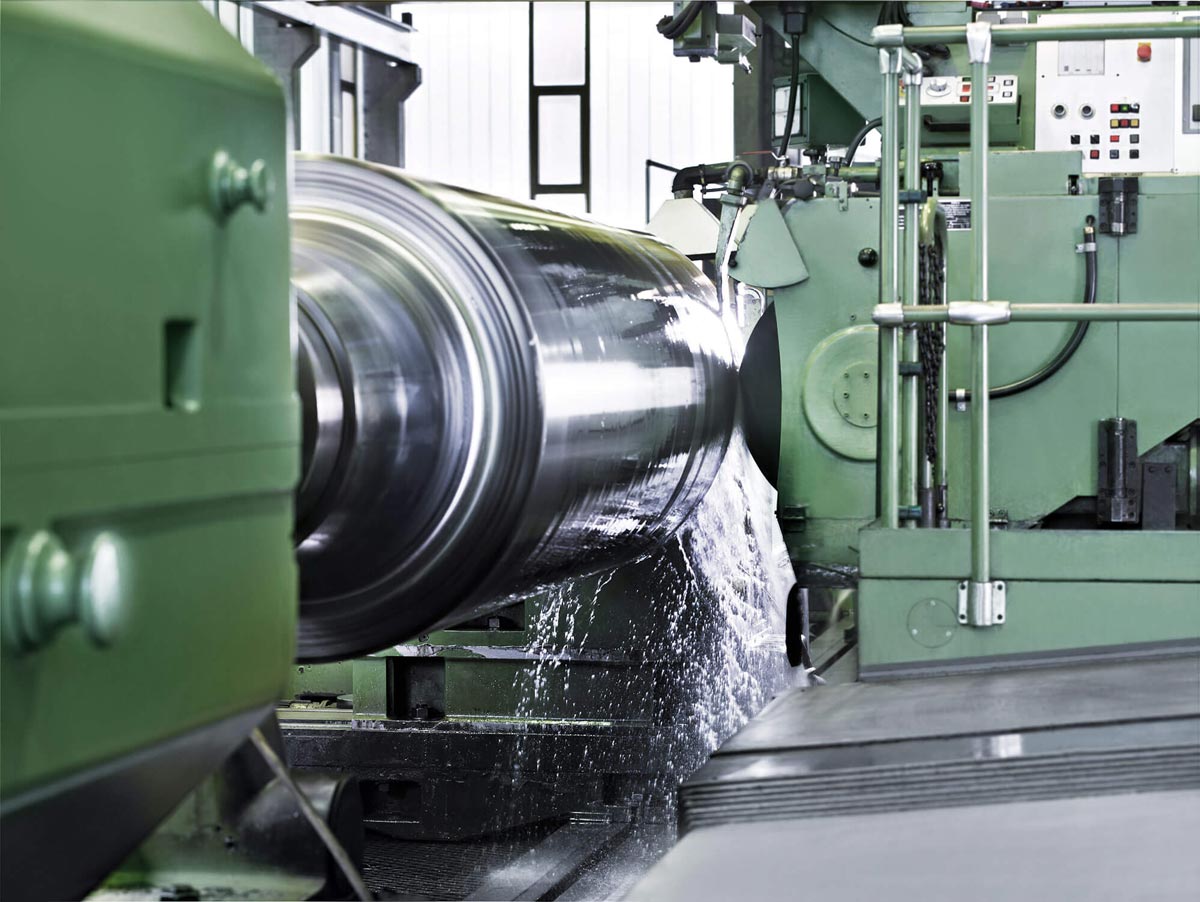
- Rough turning: Chamfering prepares workpieces for subsequent machining steps. By adding chamfers to edges, the risk of burrs and surface damage is reduced, improving processing quality and extending the life of cutting tools.
- Finish turning: Chamfering plays a key role in achieving precise final contours and accurate fits. In particular, for threads, grooves, or slots, chamfers help create a uniform and clean edge that optimizes functionality and aesthetics.
- Grinding: Chamfering helps reduce stress concentrations and sharp edges that can develop during processing. This is crucial for geometric accuracy and roundness, as sharp edges can cause unwanted vibrations and uneven material removal.
- Milling: Chamfers are used to round edges or create specific shapes. This is especially important for producing complex geometries and preparing surfaces for subsequent processes such as coating or welding.
Types of Chamfers
Chamfers can be executed in several ways, depending on the application and the properties of the workpiece. The most common chamfer designs include:
Single Chamfer: The most common type, where the edge is beveled at a single constant angle, typically 45 degrees. It reduces sharp edges and improves handling and assembly.
Double Chamfer: Two chamfers are created on one edge, one on each side. This increases functionality in joint connections.
Radius Chamfer: Instead of a straight beveled edge, a small radius is applied to the edge. This design is particularly useful for reducing stress and protecting against damage.
V-Shaped Chamfer: Two bevels meet at an edge, forming a V-shape. This design is often used in welding to allow for a deeper, more stable weld seam.
J-Shaped Chamfer: A modified V-chamfer where one side of the "V" is rounded. It provides a larger weld area and facilitates the penetration of welding material.
U-Shaped Chamfer: Similar to the J-shaped chamfer, but both sides are rounded. This form is often used for thicker materials to allow for a deeper weld.
FAQ
A chamfer is a beveled edge on a workpiece or component. It is used to remove sharp edges or to improve the fit when assembling parts.
There are several types of chamfers, including single chamfer, double chamfer, radius chamfer, V-shape, J-shape, and U-shape. Each chamfer has specific applications and advantages depending on the workpiece and use case.