











Material Removal
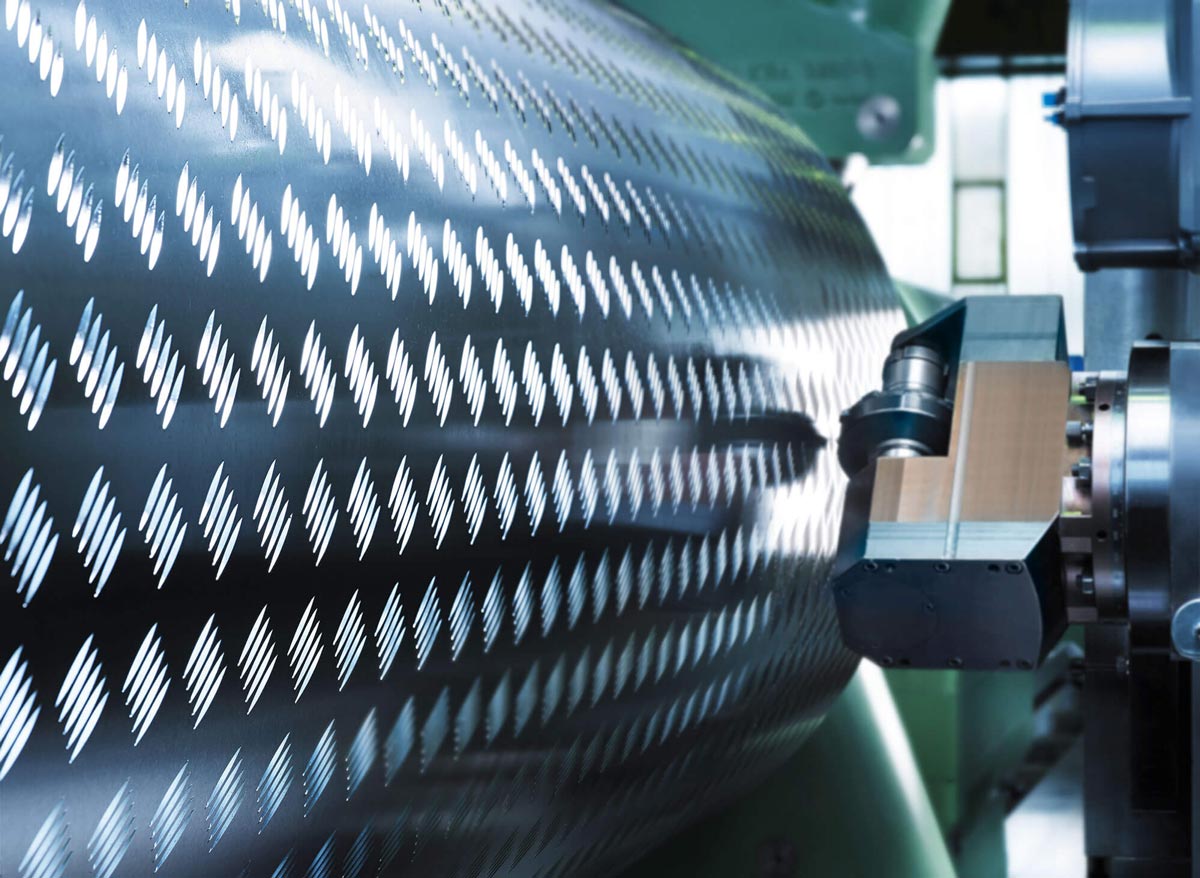
Material removal refers to the process of removing material from a workpiece to change its shape or surface. This can be achieved using various methods such as milling, turning, grinding, or drilling. Material removal is widely used in industrial machining processes to achieve precise dimensions and surface quality.
Contract Manufacturing and Material Removal
The techniques for material removal vary depending on the process used and the specific requirements of the workpiece. The following processes are commonly used:
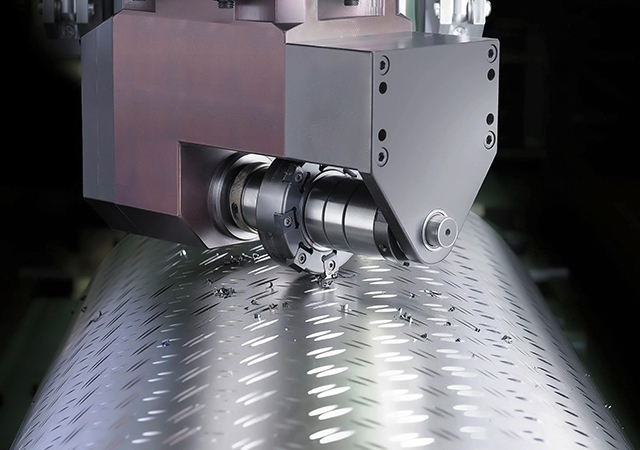
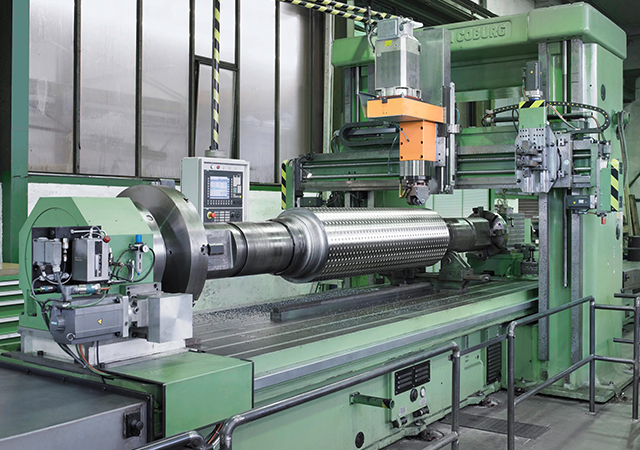
Milling: In milling, material is removed using a rotating cutting tool called a milling cutter. The workpiece, mounted on the table, can be moved relative to the cutter along multiple axes while the cutter removes material in the form of chips. The rotational movement of the cutter and the feed motion of the workpiece enable precise machining of complex geometries and surfaces. Different types of cutters (e.g., face mills, cylindrical cutters) are suitable for various tasks such as surfacing, slotting, or profiling.
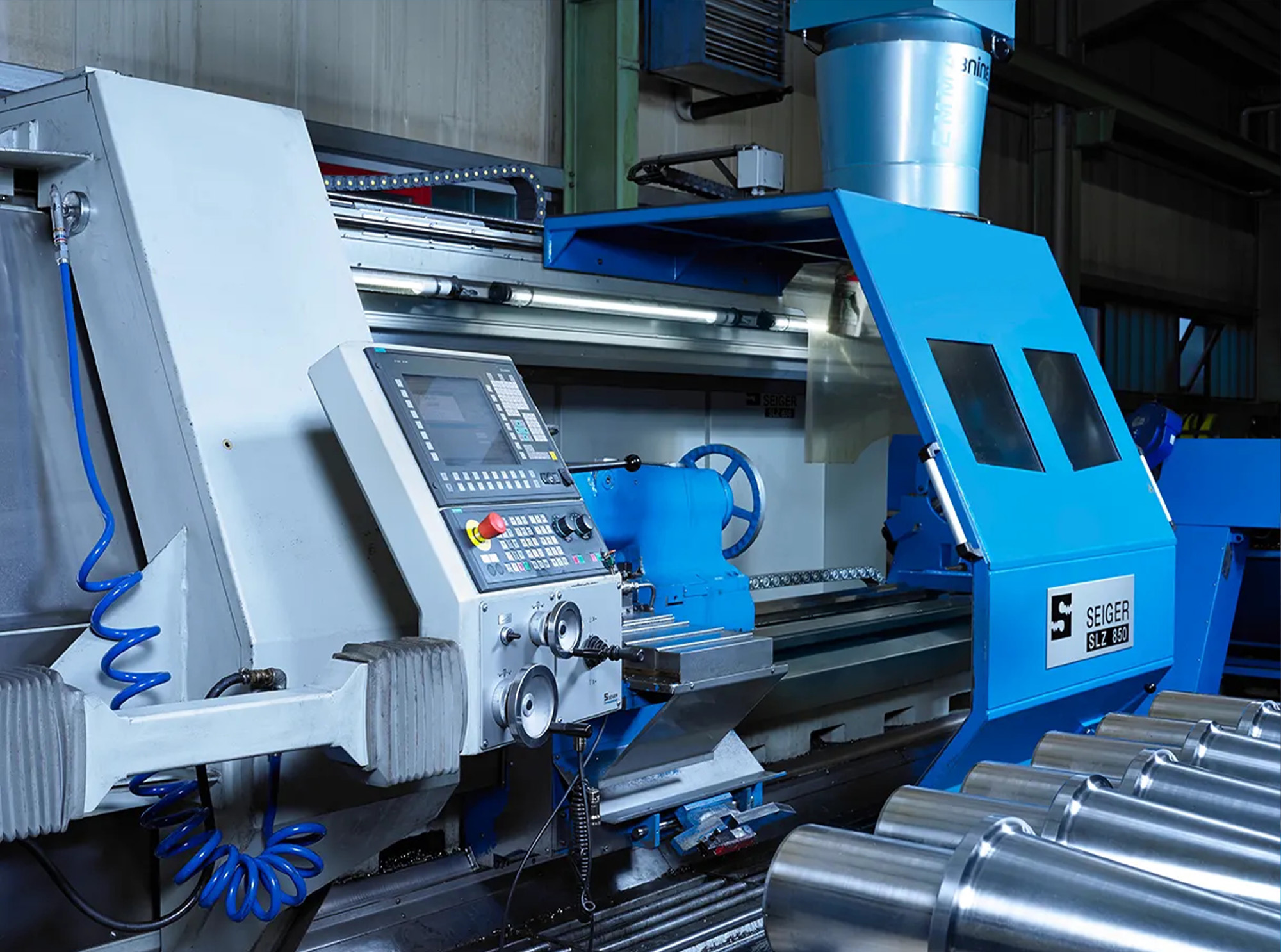
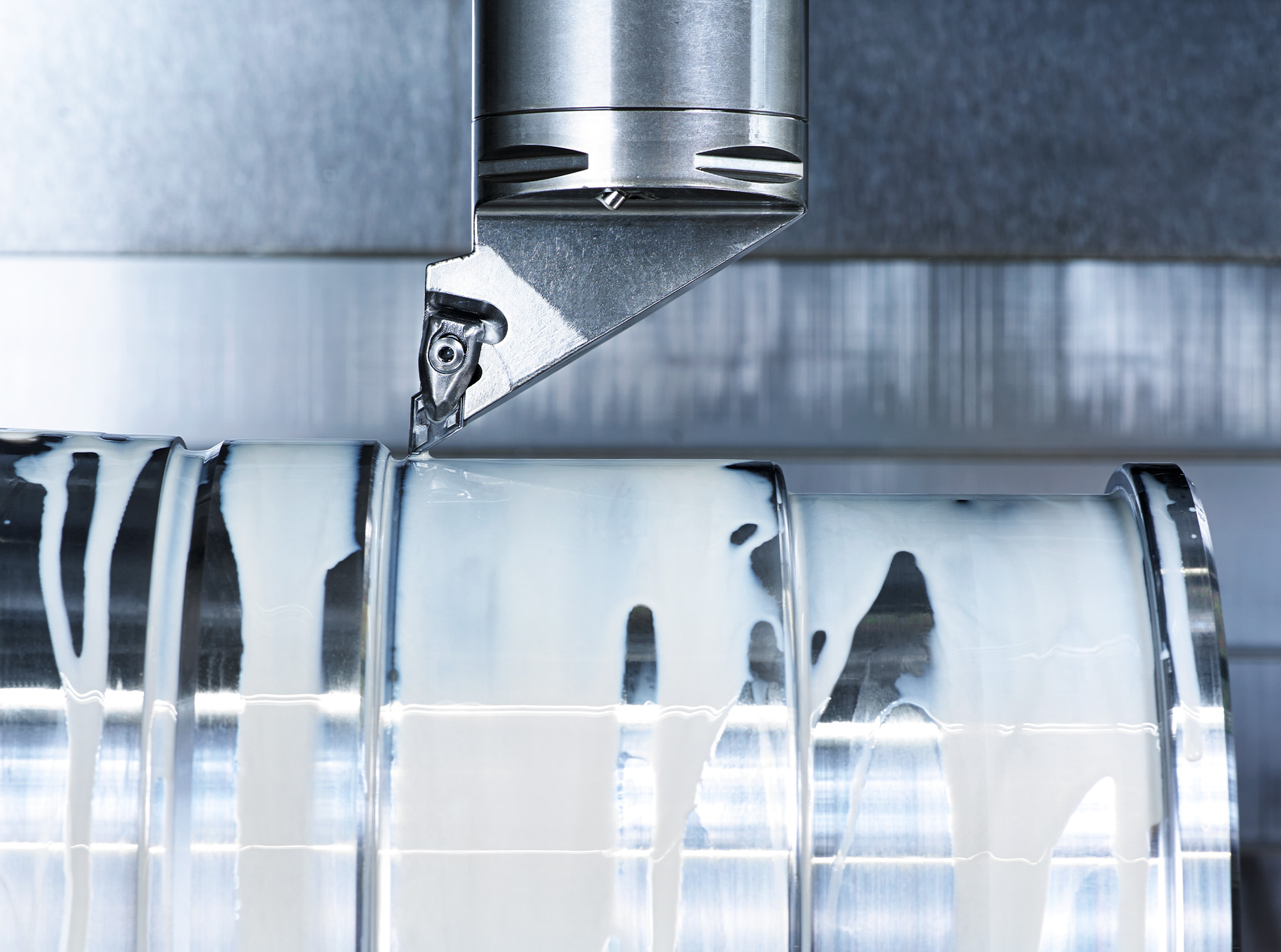
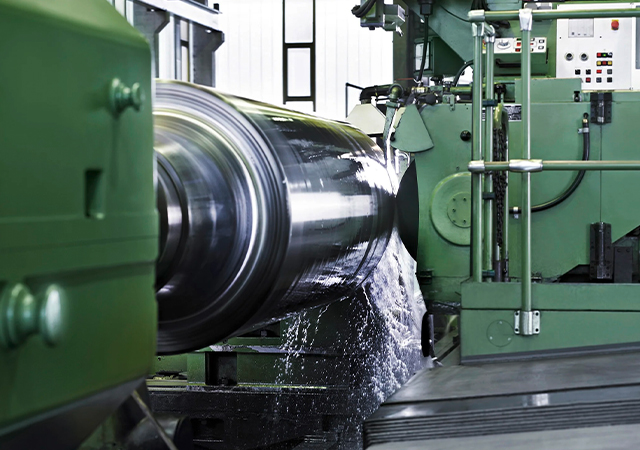
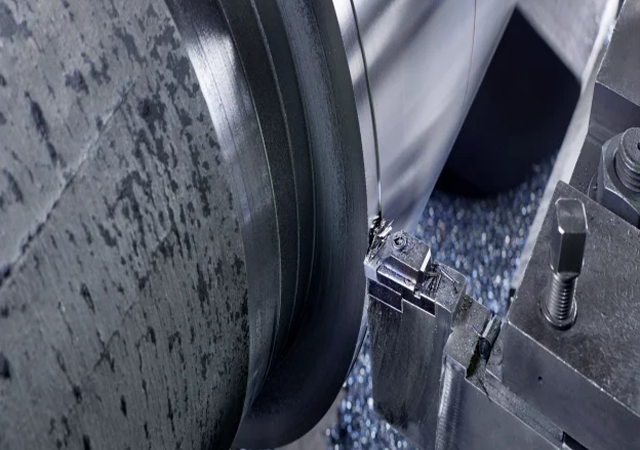
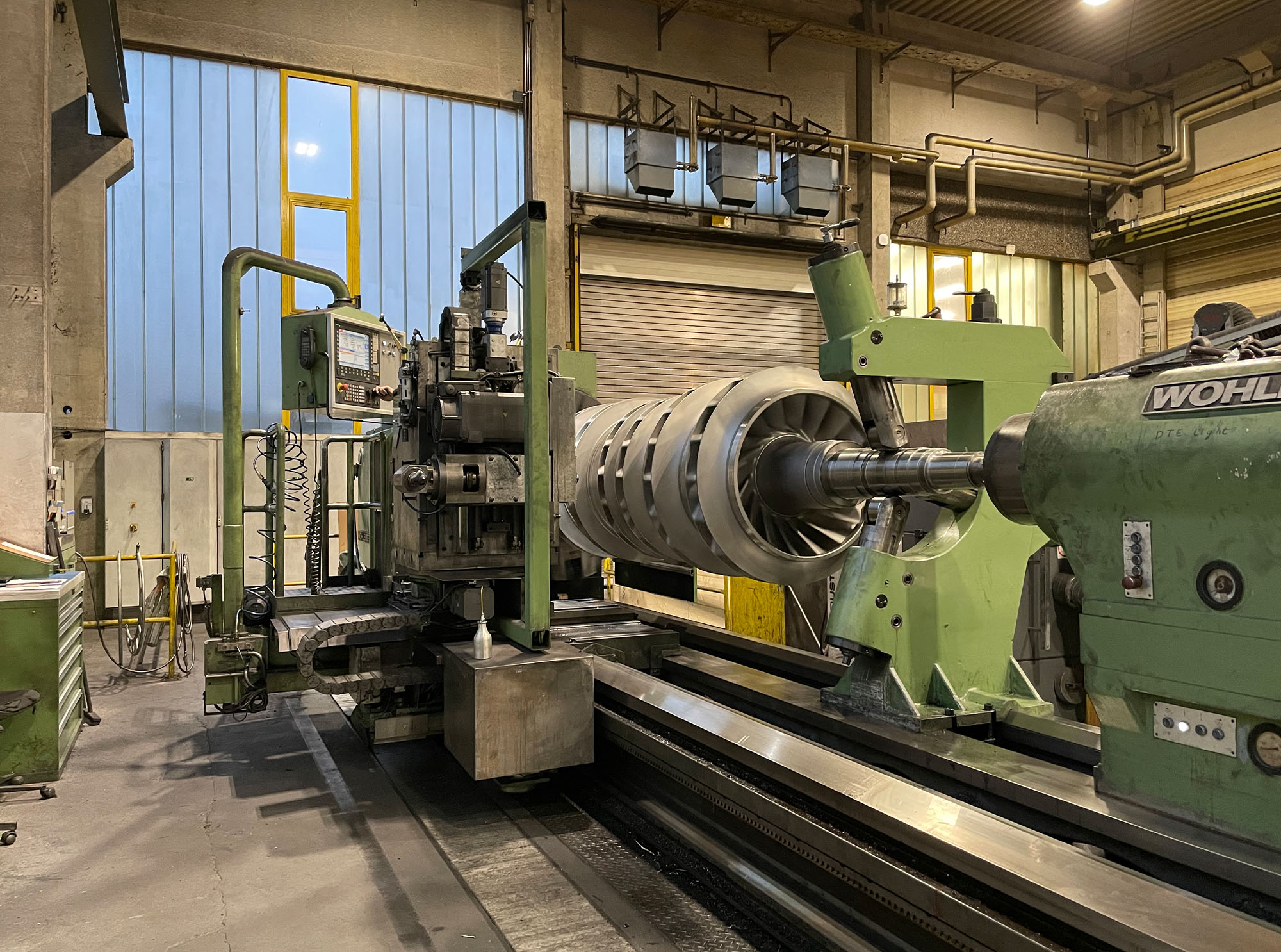
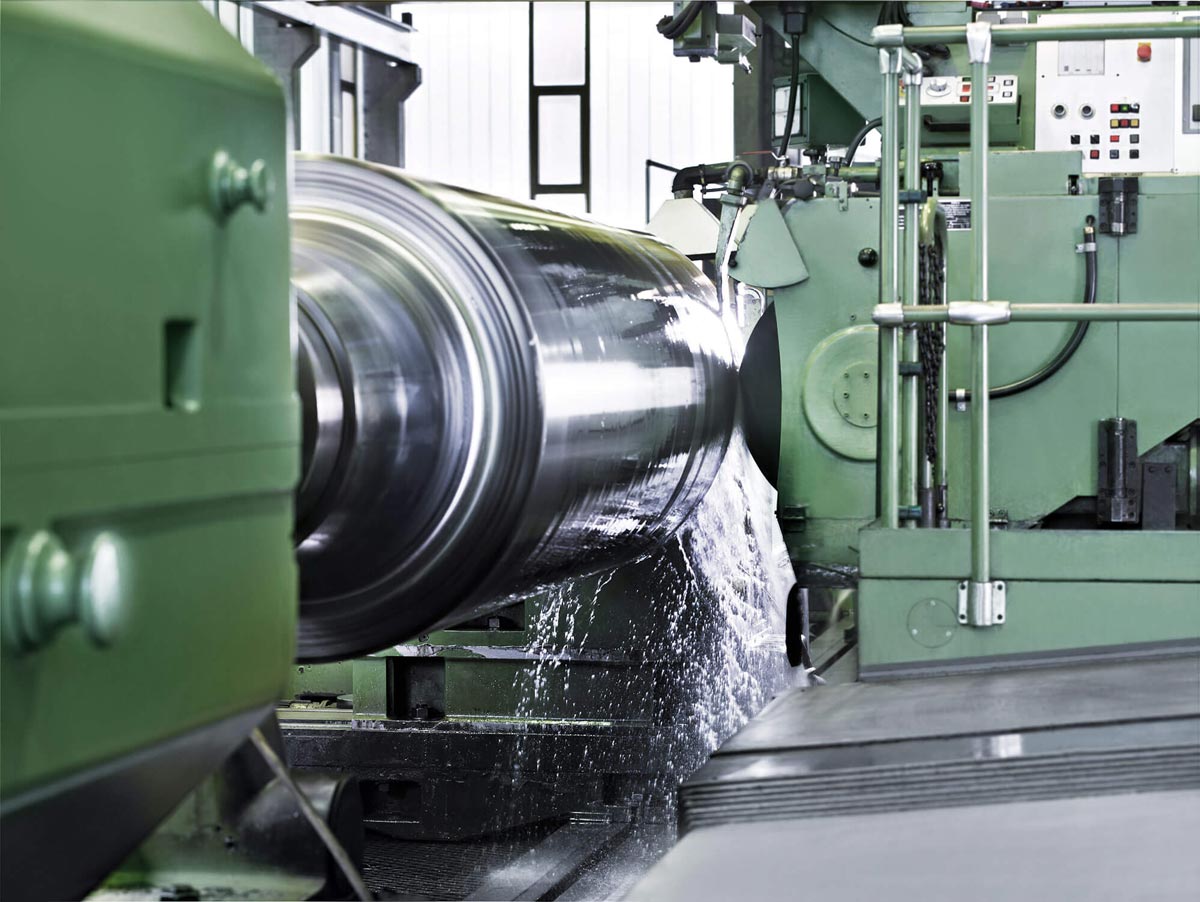
Turning: During turning, the workpiece rotates around its own axis while a stationary cutting tool removes material. This process is commonly used to manufacture rotationally symmetric parts such as shafts, pins, and sleeves. Material removal occurs gradually as the tool advances into the rotating workpiece surface. Variations in tool design and cutting parameters affect surface quality and material removal rate.
Grinding: Grinding is a finishing process where material is removed using a rotating abrasive wheel. This method is often used for final surface finishing to achieve very smooth and precise surfaces. Grinding is especially suitable for hard materials like metals and ceramics. Due to high speeds and shallow material removal depths, extremely fine surface finishes are achieved.
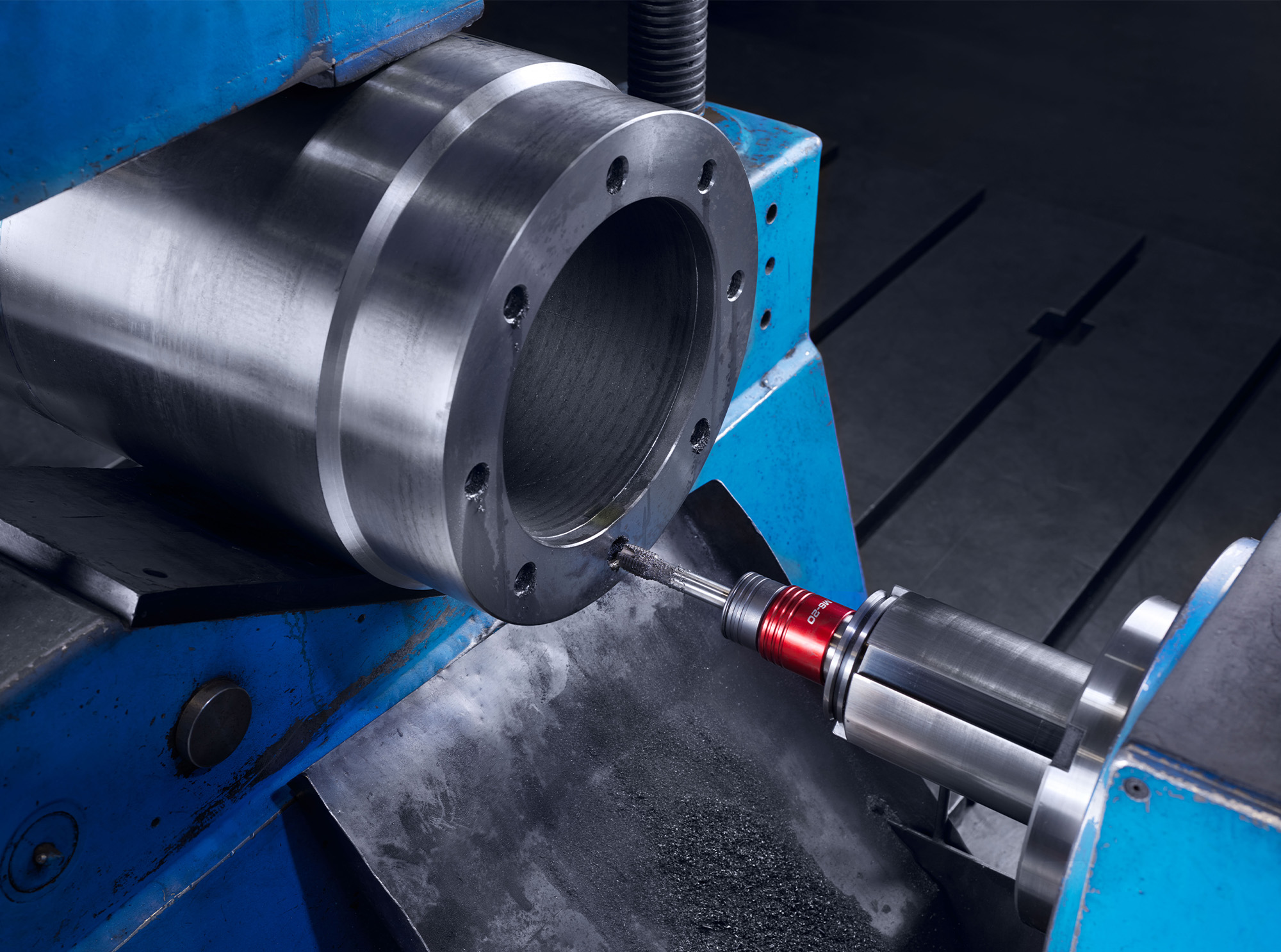
Drilling: Drilling removes material using a rotating tool to create cylindrical holes in a workpiece. The drill advances along its axis while cutting and evacuating chips. Various types of drills—such as twist drills, step drills, and center drills—are used to meet specific requirements. Drilling is applied for tasks ranging from creating simple holes to preparing surfaces for further operations like threading or countersinking.
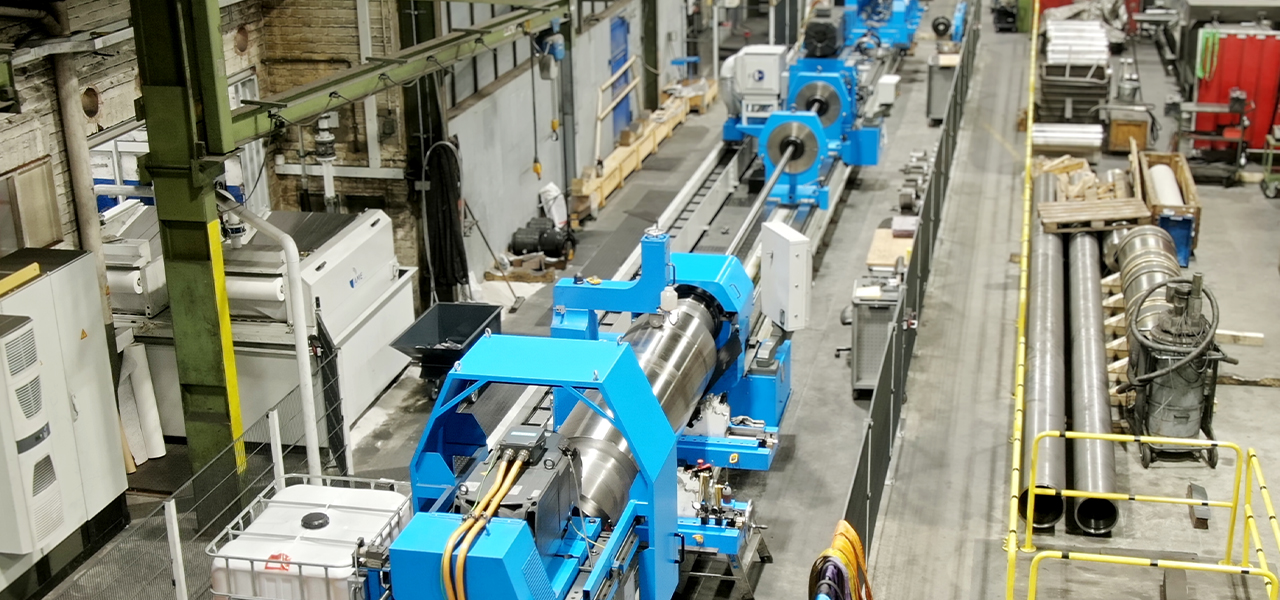
These four processes are fundamental for producing precise and functional industrial components. They are often combined to achieve optimal results. hhpm by Breitenbach offers these processes for highly precise material removal.
Other processes can also be used for material removal, though they may provide lower precision and surface quality. Examples include:
- Electrical Discharge Machining (EDM)
- Laser Machining
- Water Jet Cutting
- Plasma Cutting
- Chemical Etching
FAQ
Material removal is the process of removing material from a workpiece to change its shape or surface. This is done using methods such as milling, turning, grinding, broaching, or drilling.
The main methods for material removal include milling, turning, grinding, and drilling. These techniques allow for precise dimensions and high surface quality.
Typical material removal methods include electrical discharge machining (EDM), laser machining, water jet cutting, plasma cutting, and chemical etching. These techniques offer varying levels of precision and surface quality.