














Surface Treatment
Surface treatment refers to a range of processes applied to improve or modify the surface of a workpiece. These processes can include corrosion protection, hardening, coating, or polishing to enhance the durability, functionality, and aesthetics of the component. Surface treatment is essential for adapting material properties to meet specific application requirements.
Methods of Surface Treatment
There are numerous surface treatment methods, which vary depending on the type of material and desired properties. It is important to consider the intended use of the workpiece after treatment before selecting a method. The most commonly used techniques include:
Coating: Materials such as paints, powder coatings, or metallic layers (e.g., galvanizing, nickel plating) are applied to the surface to provide protection against corrosion, chemical exposure, or wear.
Hardening Processes: Techniques such as quenching and tempering, induction hardening, and nitriding increase surface hardness, improving wear resistance and the lifespan of components.
Electroplating: Electrochemical processes like chromium plating or galvanizing deposit a thin metal layer on the surface, providing corrosion protection and, in some cases, electrical conductivity.
Anodizing: Commonly used for aluminum, electrolytic oxidation creates a protective oxide layer that shields the material from corrosion and improves adhesion for subsequent coatings.
Polishing: Mechanical methods such as grinding, brushing, and polishing smooth the surface, enhance aesthetics, and can reduce friction.
Sandblasting and Shot Peening: These techniques clean the surface, remove rust, and prepare the material for subsequent treatments.
Plasma and Laser Treatments: High-tech methods alter the surface structure at a microscopic level to achieve specific material properties.
Each method offers specific advantages and is chosen based on the desired end result and material requirements.
Surface Treatment in Contract Manufacturing
In addition to grinding, lapping, and honing, several other methods are suitable for finishing. These include polishing, electropolishing, shot finishing, and ultra-precision machining.
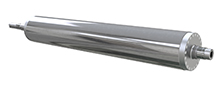
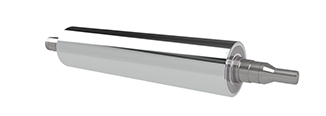
- Polishing: Frequently used to create mirror-like surfaces. Polishing wheels and pastes mechanically smooth the material, making it ideal for decorative surfaces.
- Electropolishing: An electrochemical process that removes material from the surface to smooth and clean it. Common in medical technology, aerospace, and the food industry, where extremely smooth and clean surfaces are required.
- Shot Finishing: Methods such as micro-blasting or bead blasting use fine abrasives to refine the surface, producing uniform textures and strengthening the material.
- Ultra-Precision Machining: Processes like diamond turning and milling use extremely sharp tools to achieve very smooth and precise surfaces. Common in optics and semiconductor manufacturing, where the highest precision is required.
Each of these techniques offers specific benefits and is selected according to material properties and the required surface quality. The choice of the appropriate finishing or surface treatment method depends on the specific application and the required tolerances.
FAQ
Coatings such as chromium plating, galvanizing, and specialized paints provide additional protection against corrosion. These treatments are especially important for components exposed to high mechanical stress or harsh environmental conditions.
Hardening processes such as induction hardening or nitriding increase the surface hardness of components. This enhances wear resistance and extends service life, especially for heavily stressed industrial parts.