


















Rotationally Symmetric
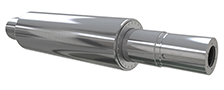
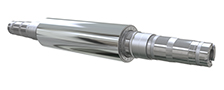
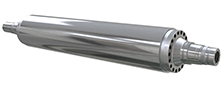
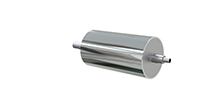
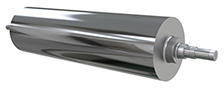
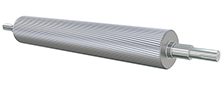
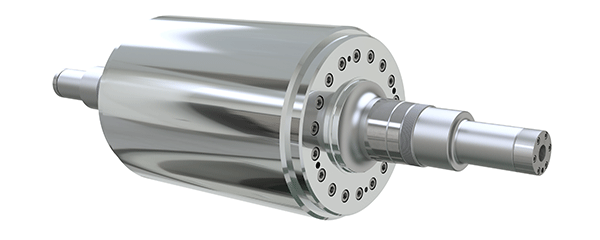
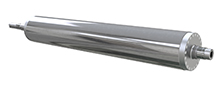
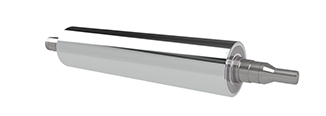
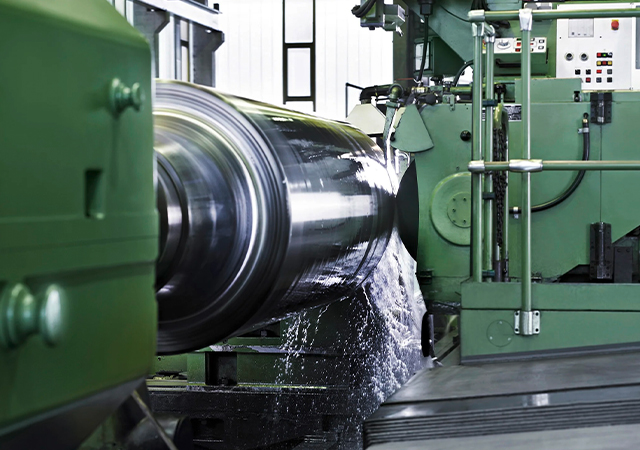
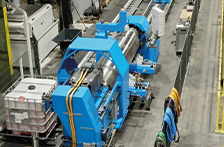
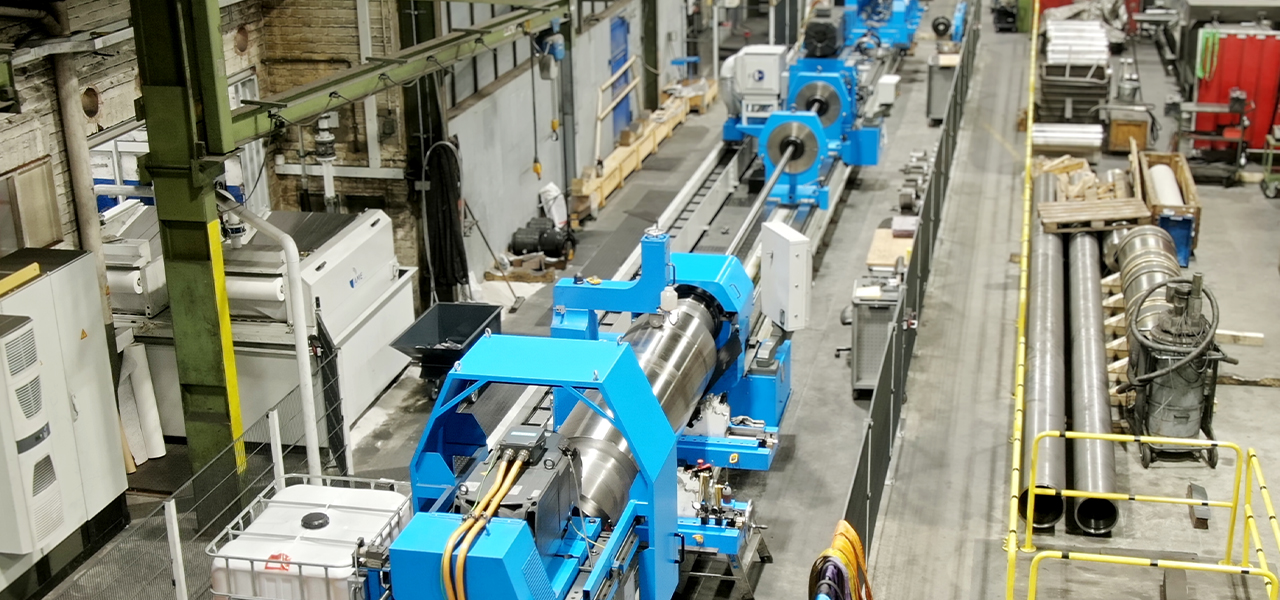
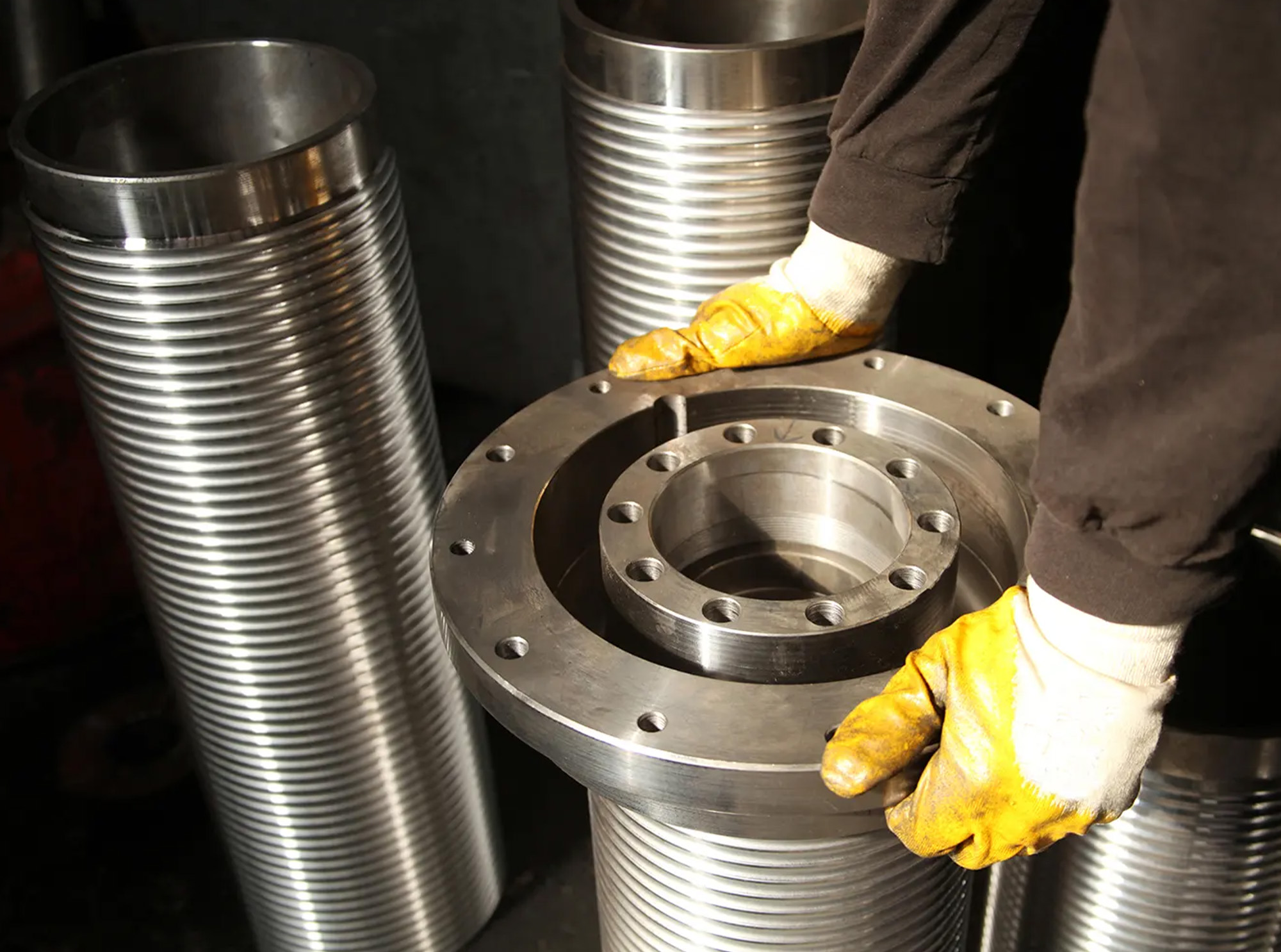
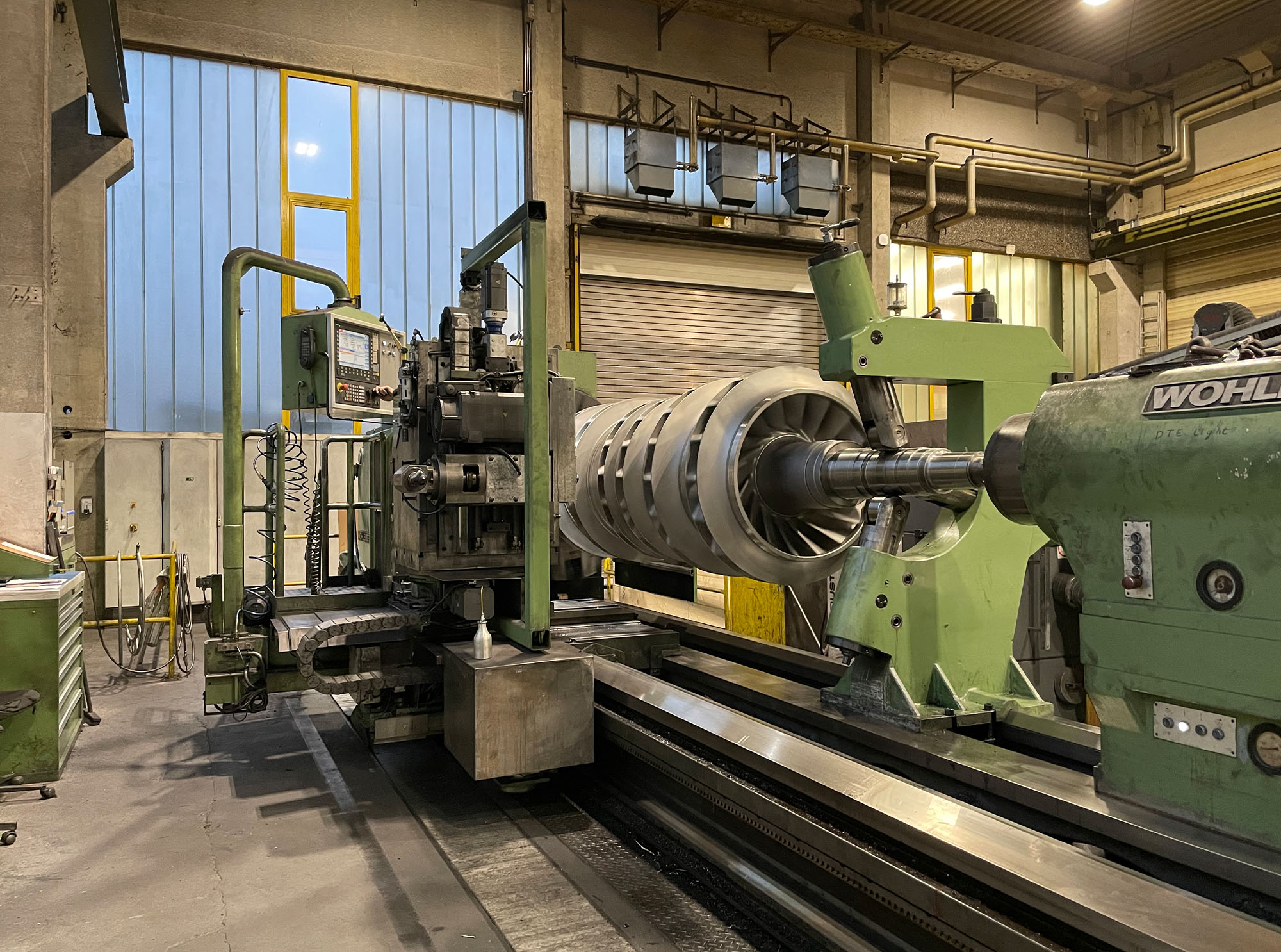
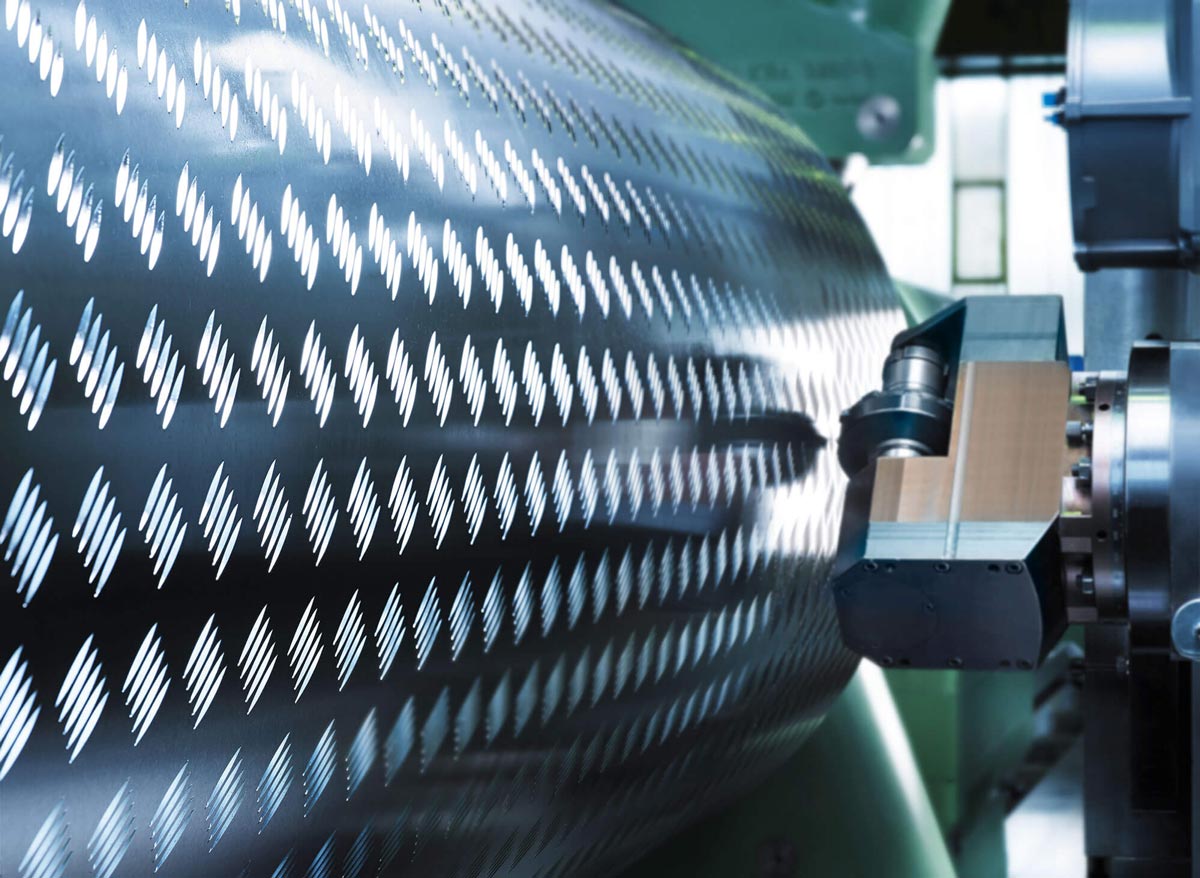
The term rotationally symmetric describes an object that can be rotated around a central axis without changing its shape. This type of symmetry is typical for components such as shafts, cylinders, and rollers, which exhibit identical geometric structures when turned. Rotational symmetry simplifies machining on lathes and other machine tools designed specifically for round or cylindrical shapes.
Advantages of Rotational Symmetry in Contract Manufacturing
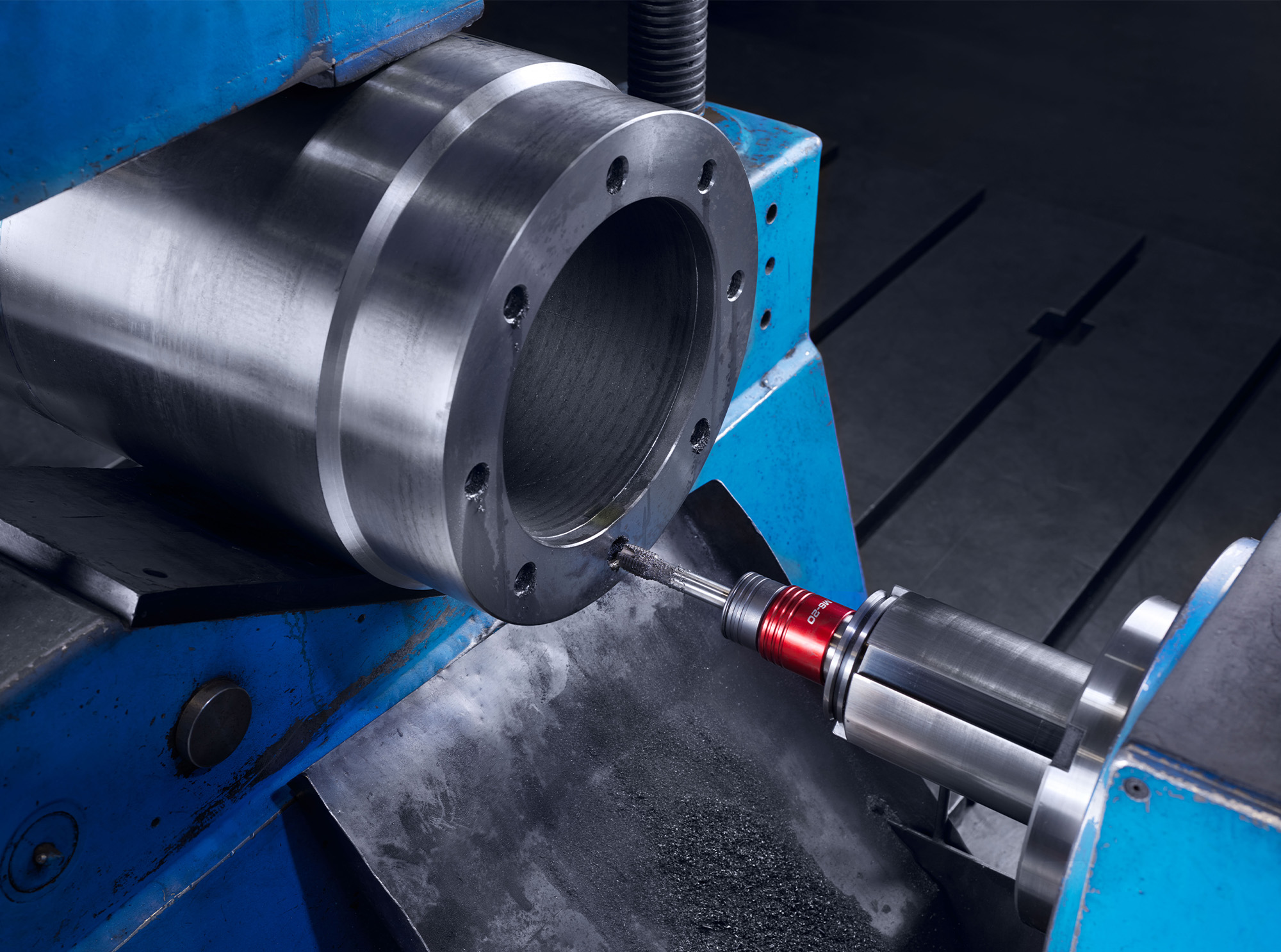
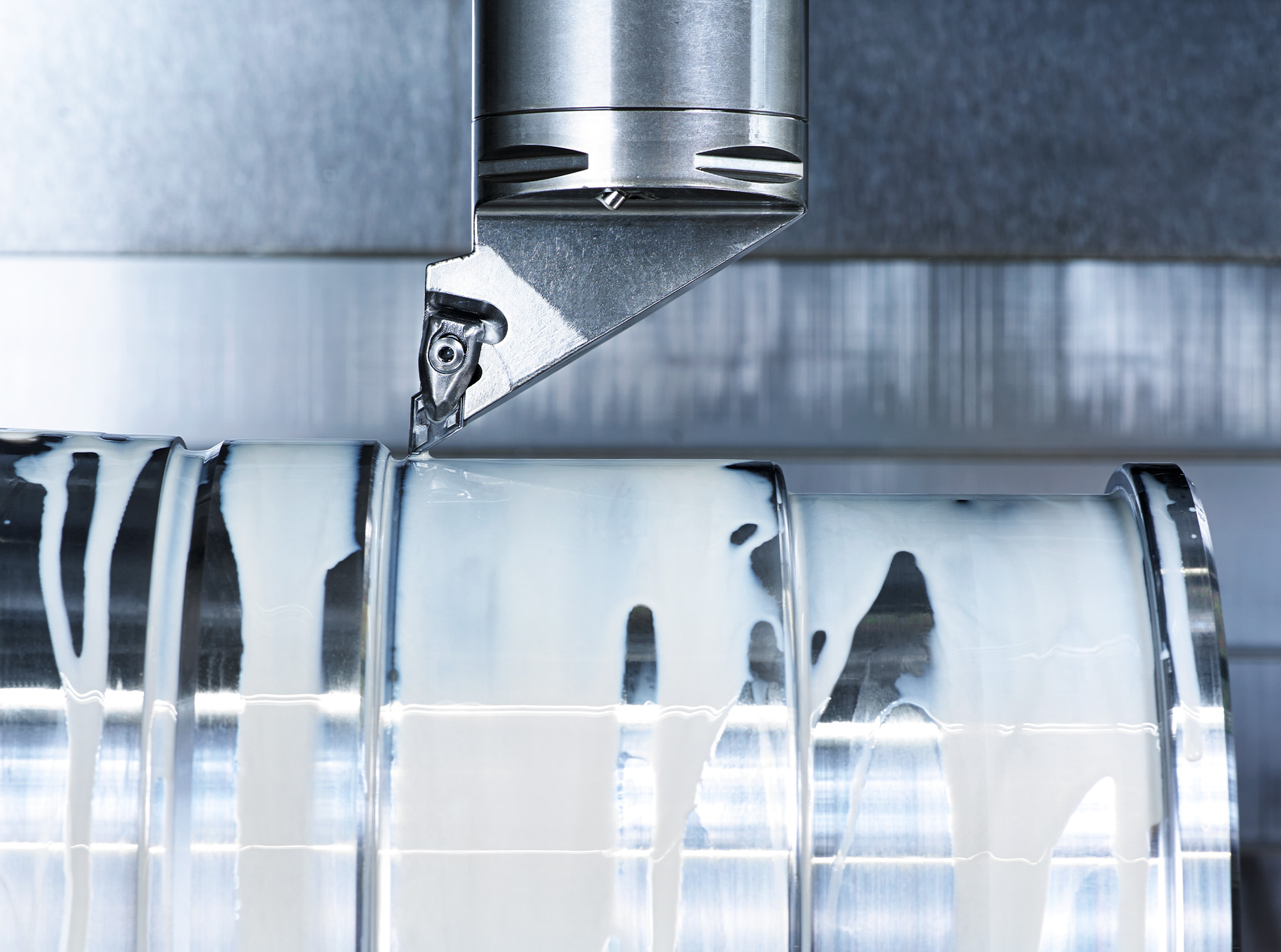
Rotationally symmetric workpieces offer several benefits in contract manufacturing, leading to higher efficiency and precision. First, rotational symmetry allows for easier and more stable clamping of the workpiece in the machine, which improves machining accuracy. This is especially important, as a securely clamped workpiece experiences fewer vibrations and movements during machining, enhancing surface quality and dimensional accuracy.
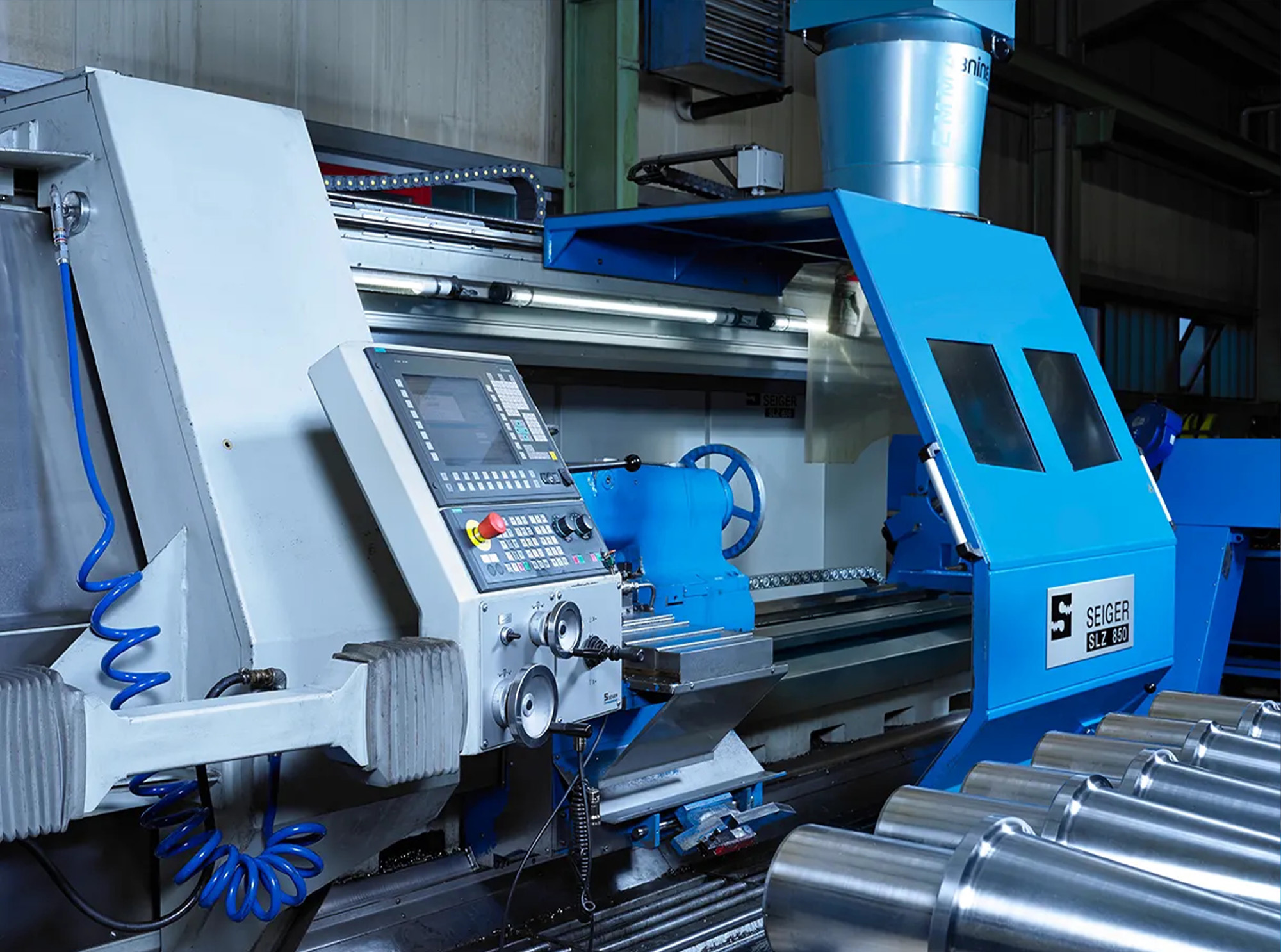
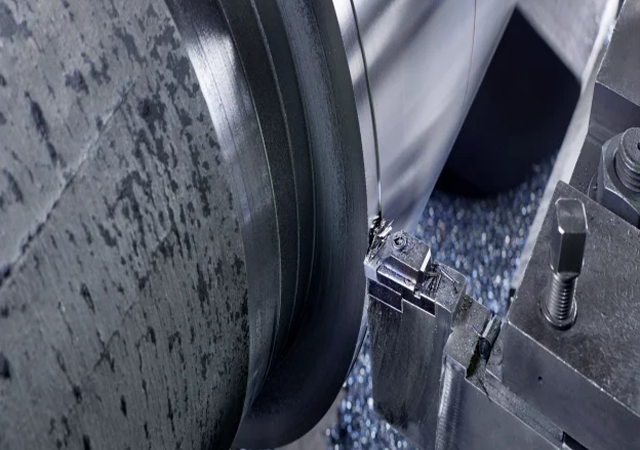
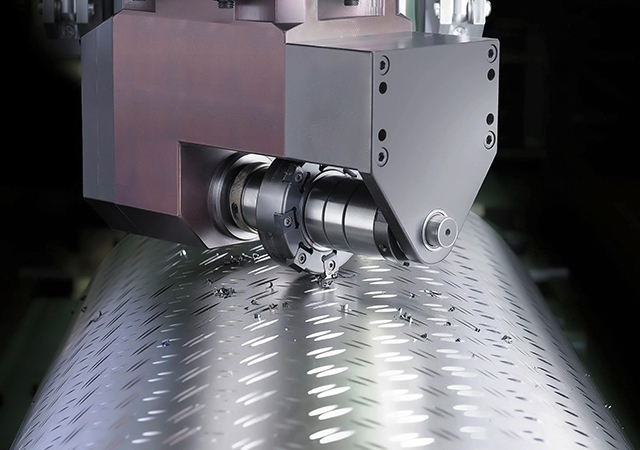
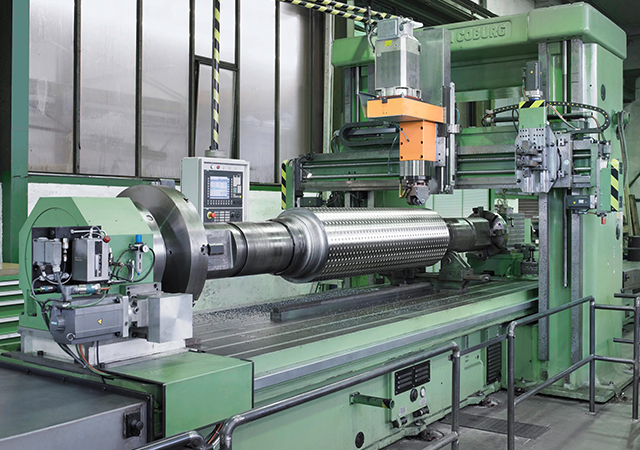
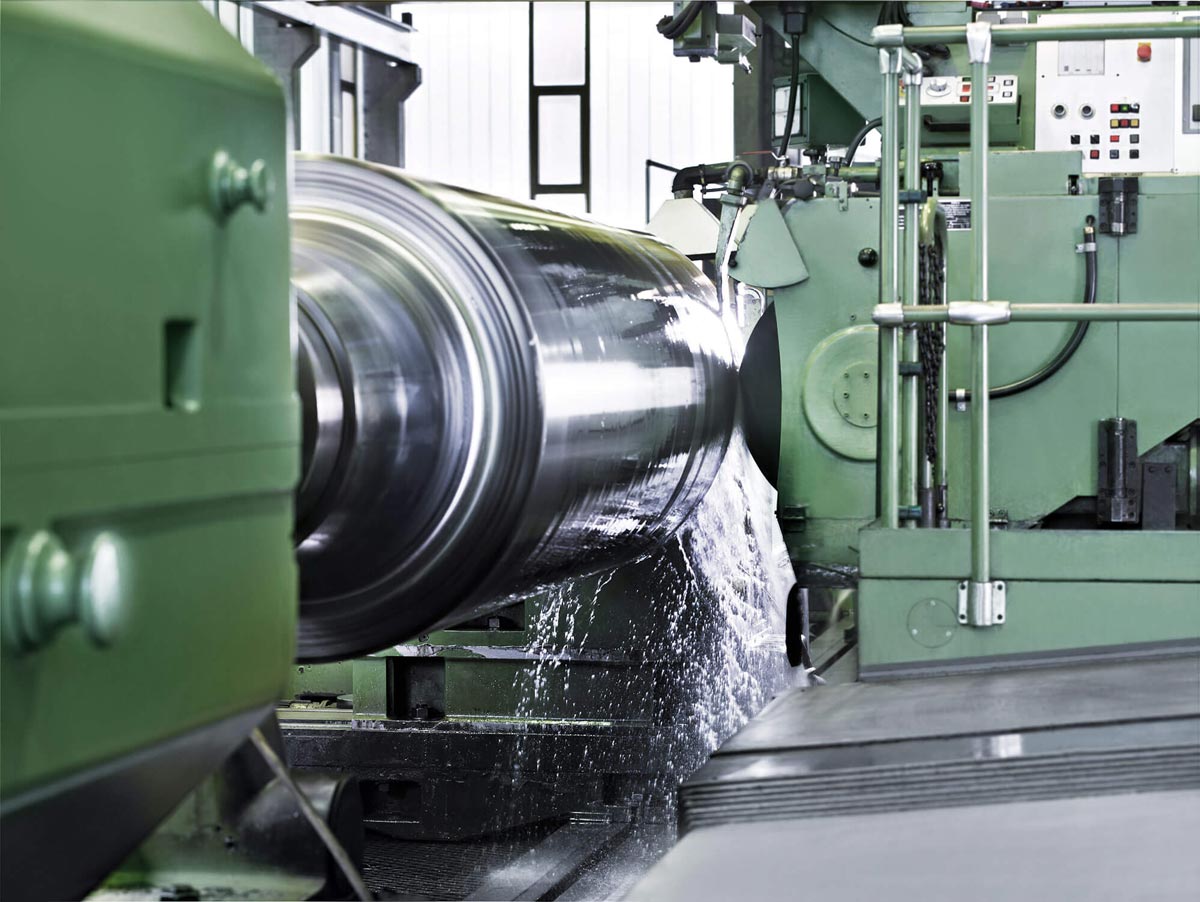
Second, rotationally symmetric workpieces can be efficiently processed on lathes, which are specifically designed for such shapes. Lathes are capable of performing uniform and precise cuts, making them ideal for operations such as turning, grinding, and milling.
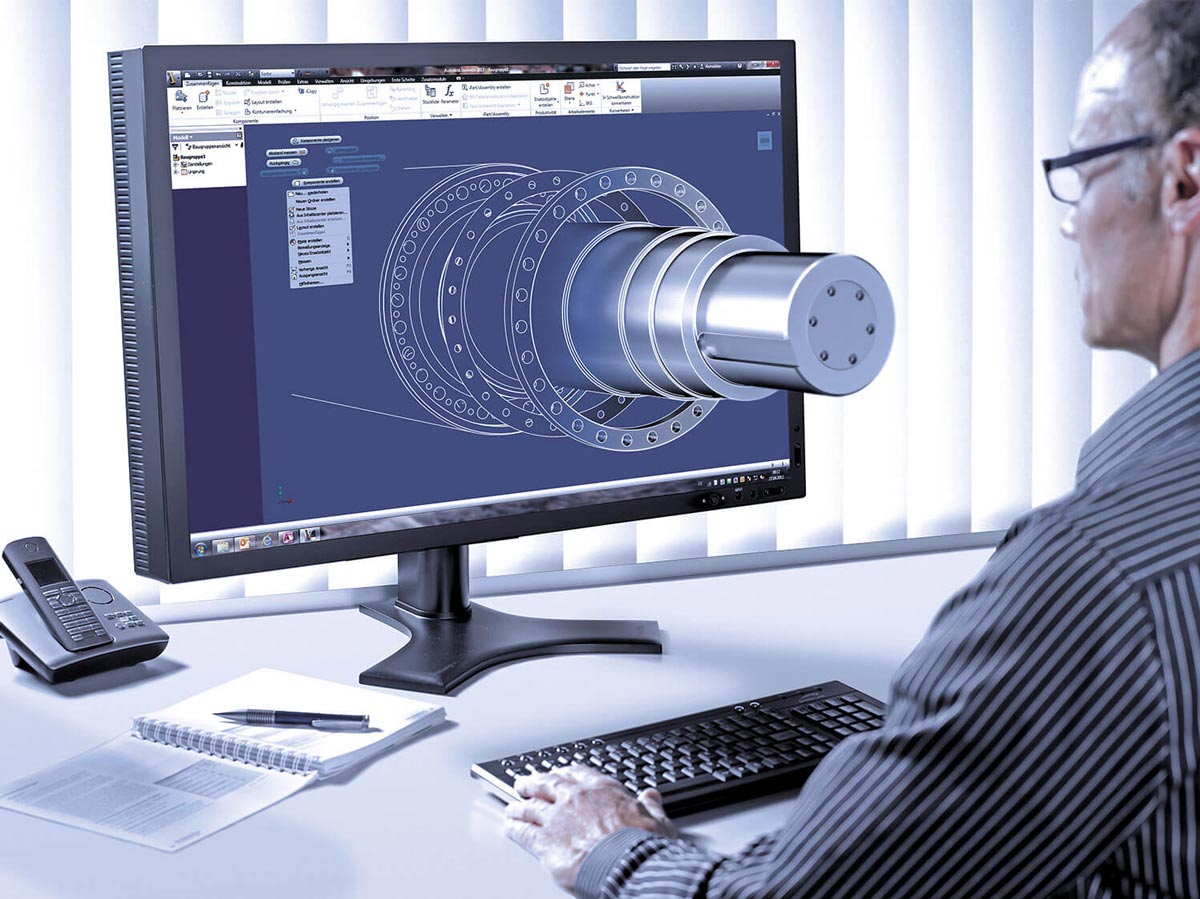
These machines are often equipped with CNC technology, which facilitates programming and repeatability of machining steps, resulting in greater efficiency and reduced error rates.
FAQ
Rotationally symmetric means that an object can be rotated around a central axis without changing its shape. This type of symmetry is typical for workpieces such as shafts, cylinders, and rollers.
Rotational symmetry simplifies machining on specialized machine tools. It results in greater efficiency and precision in contract manufacturing.
A rotationally symmetric workpiece allows for more stable clamping in the machine. This reduces vibrations and movement, which improves machining accuracy.
Lathes are ideally suited for rotationally symmetric workpieces. These machines can achieve uniform and precise results.