
















Cutting force
What is cutting force (machining force)?
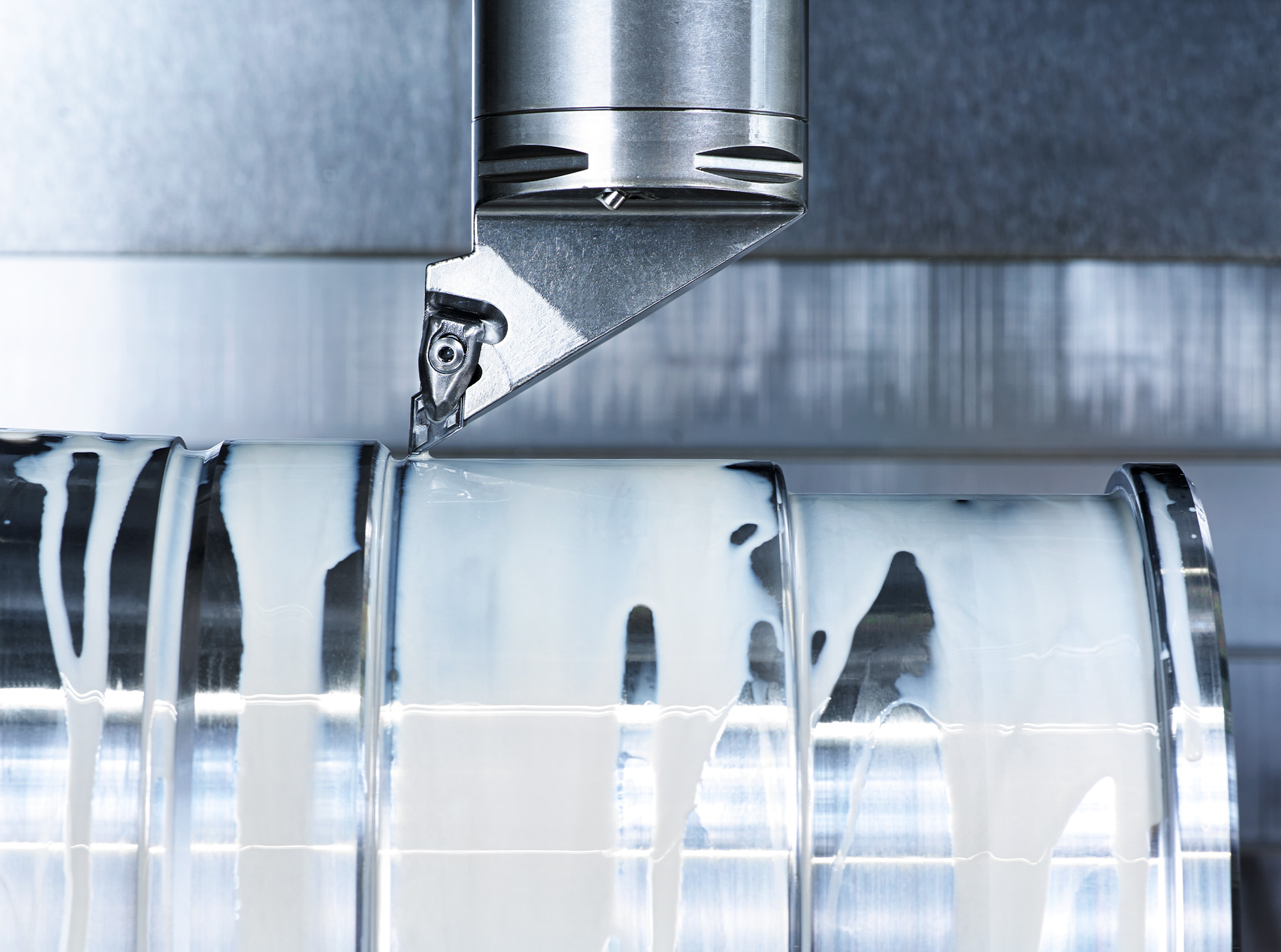
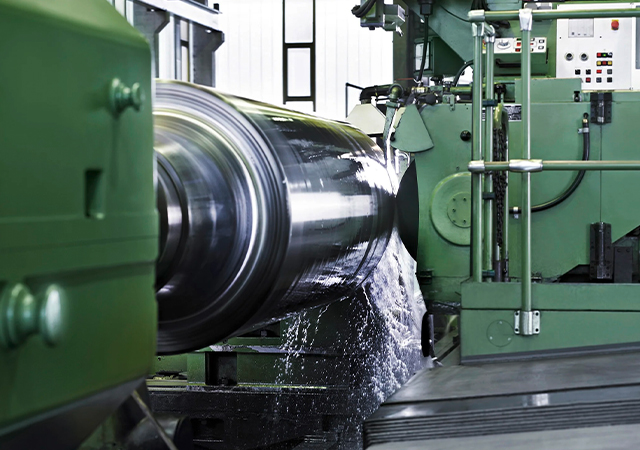
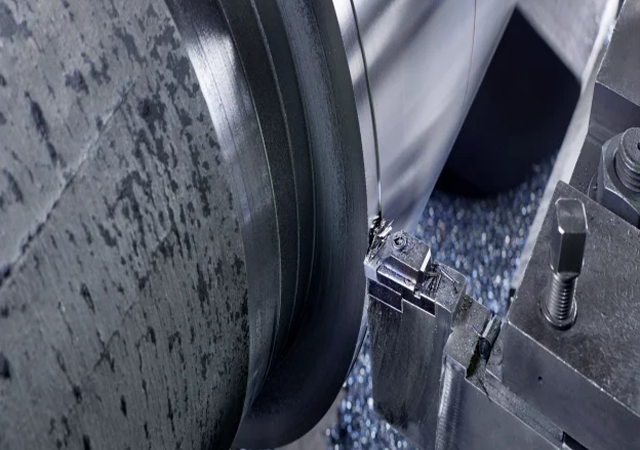
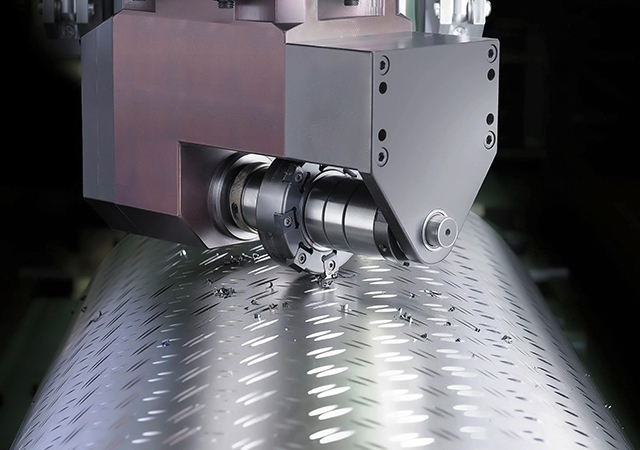
The cutting force, also called machining force, is the force exerted on a tool during the machining of a material. It consists of several components, including the main cutting force, which acts in the cutting direction, and the feed force, which acts in the feed direction. The exact magnitude of the cutting force depends on factors such as the workpiece material, cutting speed, feed rate, and depth of cut.
Components of the cutting force
The cutting force plays a central role in the machining process and is composed of several forces acting on both the tool and the workpiece. These forces can be divided into three main components: the main cutting force (Fc), the feed force (Ff), and the passive (radial) force (Fp).
Main cutting force (Fc)
This force acts in the cutting direction and is the largest of the three components. It is responsible for the actual shearing of the material. The main cutting force is directly proportional to the depth and width of cut and depends on the material hardness and cutting speed. It plays a key role in determining the power consumption of the machine tool.
Feed force (Ff)
The feed force acts in the feed direction and is the second-largest component. It is responsible for moving the tool through the material. This force also depends on feed rate, depth of cut, and material properties, but is smaller than the main cutting force. It affects the design of the machine tool and the feed mechanism.
Passive (radial) force (Fp)
The passive force, sometimes called the radial force, acts perpendicular to the other two forces and is usually the smallest component. Nevertheless, it influences the stability and precision of the machining process, especially during surface finishing. The passive force can cause vibrations and deformations in both the tool and the workpiece.
Together, these three forces form the resultant cutting force, which must be considered when planning and optimizing the machining process. Accurate determination of these forces allows for maximizing tool life, improving surface quality, and ensuring process reliability. Modern simulation tools and measurement techniques help calculate and analyze cutting forces precisely, leading to more efficient and cost-effective manufacturing.
Why is knowing the cutting force important?
Understanding the cutting force is crucial in machining because it directly affects process efficiency, quality, and tool life. Precise knowledge of the cutting force enables the selection of appropriate tools and optimal machine settings, which in turn reduces machine load and energy consumption.
- Tool life: The cutting force affects tool wear and lifespan. Excessive forces can cause rapid wear or even tool breakage, increasing production costs.
- Surface quality: Proper cutting forces contribute to high surface quality. Unstable or excessive forces can cause vibrations and surface irregularities, reducing the final product quality.
- Process safety: Knowing the cutting force allows for safer and more stable machining, minimizing the risk of machine downtime and enhancing production safety.
- Energy efficiency: Optimizing the cutting force reduces machine energy consumption, offering both economic and ecological benefits.
Accurate determination and control of cutting forces ensure that the machining process is efficient, safe, and produces high-quality results. Modern measurement technologies and simulation tools support this optimization and contribute to continuous improvements in manufacturing.
FAQ
The cutting force, also called machining force, is the force acting on a tool during the machining of a material. It consists of several components, including the main cutting force and the feed force.
The cutting force consists of three main components: the main cutting force (Fc), the feed force (Ff), and the passive (radial) force (Fp). These forces act on both the tool and the workpiece.
The main cutting force acts in the cutting direction and is the largest of the three components. It is responsible for shearing the material and depends directly on the depth of cut, width of cut, and cutting speed.
The feed force acts in the feed direction and is crucial for moving the tool through the material. It affects the design of the machine tool and the configuration of the feed mechanism.
Knowing the cutting force is important for optimizing the efficiency, quality, and tool life of the manufacturing process. It allows for precise adjustment of the machine tools, which improves process safety and energy efficiency.