



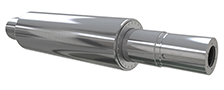
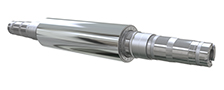
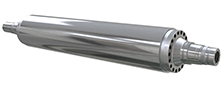











Lead screw
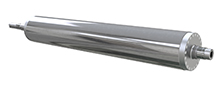
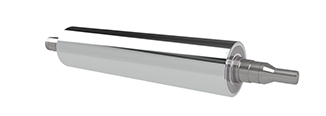
A lead screw is a mechanical component that converts rotational motion into linear motion, commonly used in machine tools and drive mechanisms. It consists of a threaded spindle and a corresponding nut that moves along the spindle. This design enables precise movements and positioning of machine components.
Lead Screw in Detail
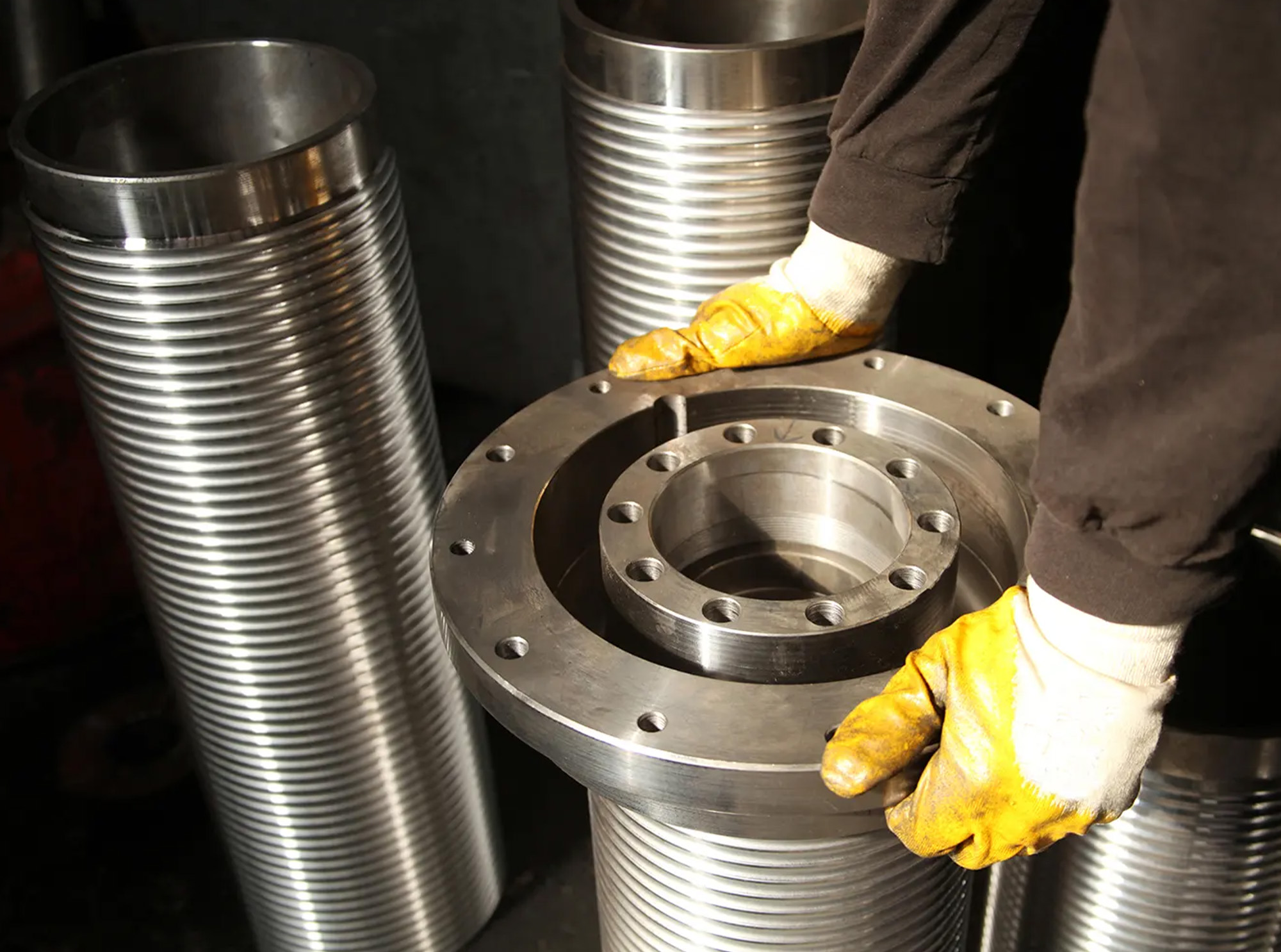
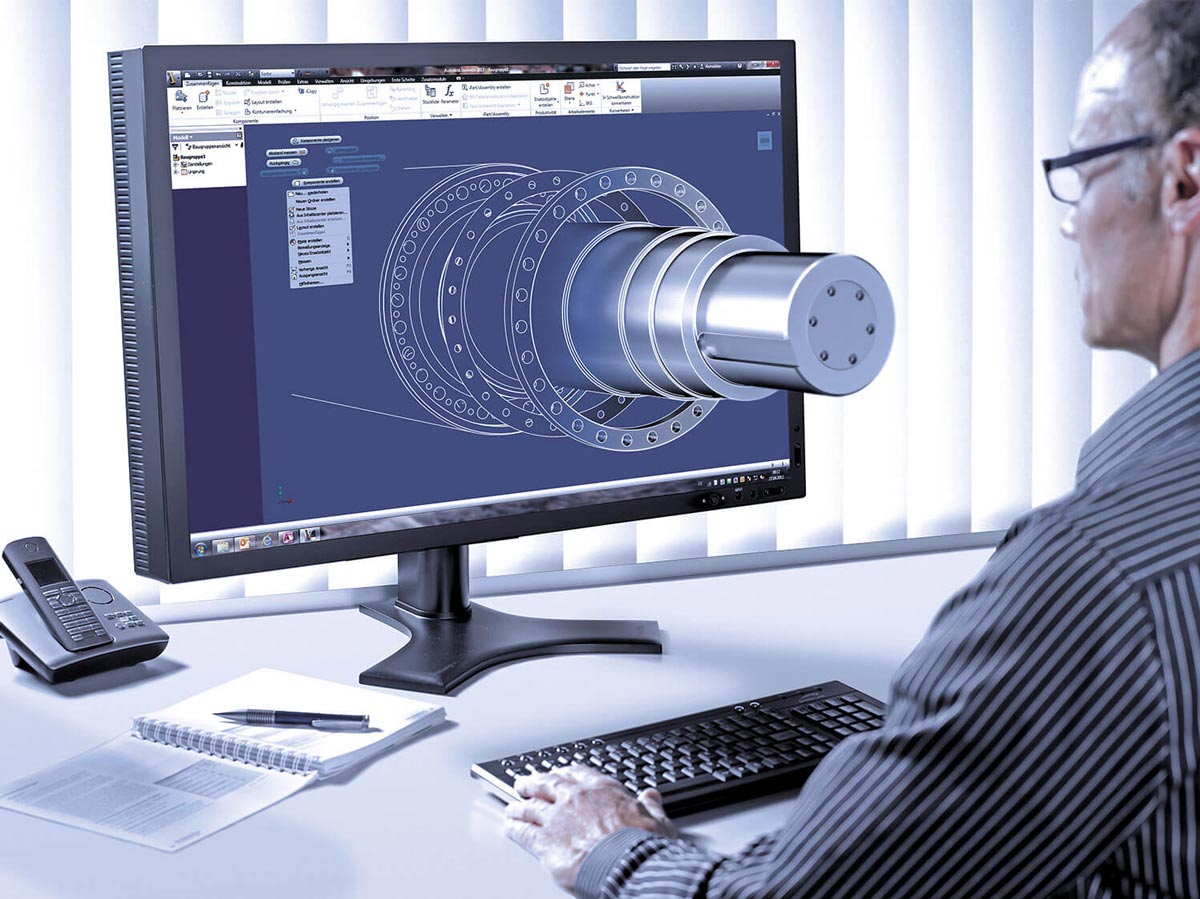
A lead screw, also referred to as a threaded spindle or power screw, is a mechanical element primarily used to transform rotational motion into linear motion. It consists of a cylindrical shaft with an external thread and a matching nut with an internal thread. This mechanism is employed in a wide range of applications, including machine tools, drive systems, lifting mechanisms, and precision positioning units. The principle of operation is based on the screw thread, which converts the rotation of the spindle into linear motion of the nut. When the spindle rotates, the nut moves along the spindle axis, allowing precise control of position and movement of machine components. Lead screws are frequently used in CNC (Computerized Numerical Control) machines and other automated systems where precise motion control is essential.
There are various types of lead screws, including trapezoidal screws, ball screws, and roller screws. Each type has specific properties and advantages depending on the application. For example, ball screws offer high efficiency and low friction, making them ideal for high-precision applications. Trapezoidal screws are more robust and suitable for applications requiring high loads but less precision.
Lead Screws and Contract Manufacturing
Lead screws and contract manufacturing are closely linked, as producing and machining lead screws often requires specialized manufacturing services provided through contract machining. Key points include:
Precision machining
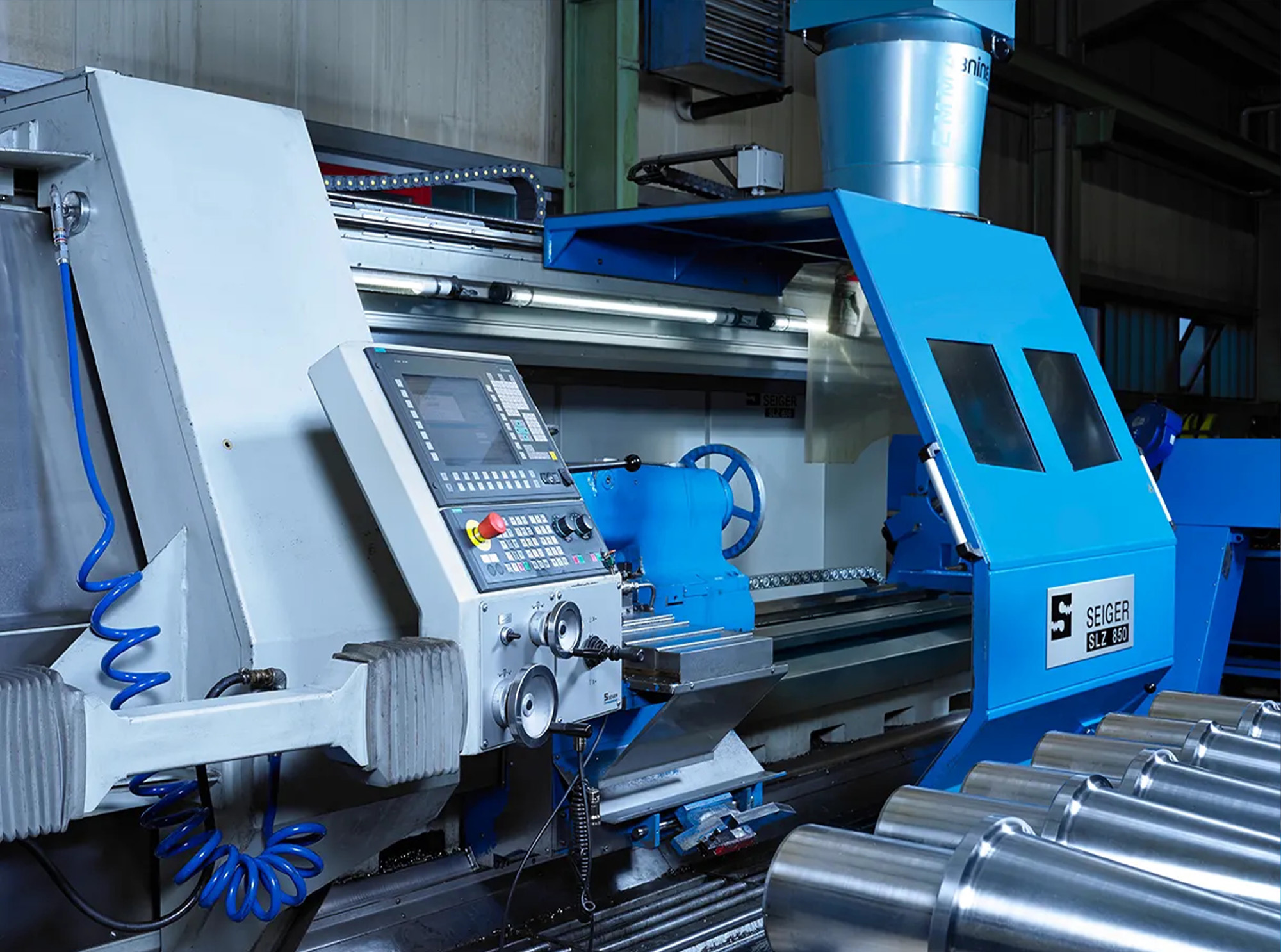
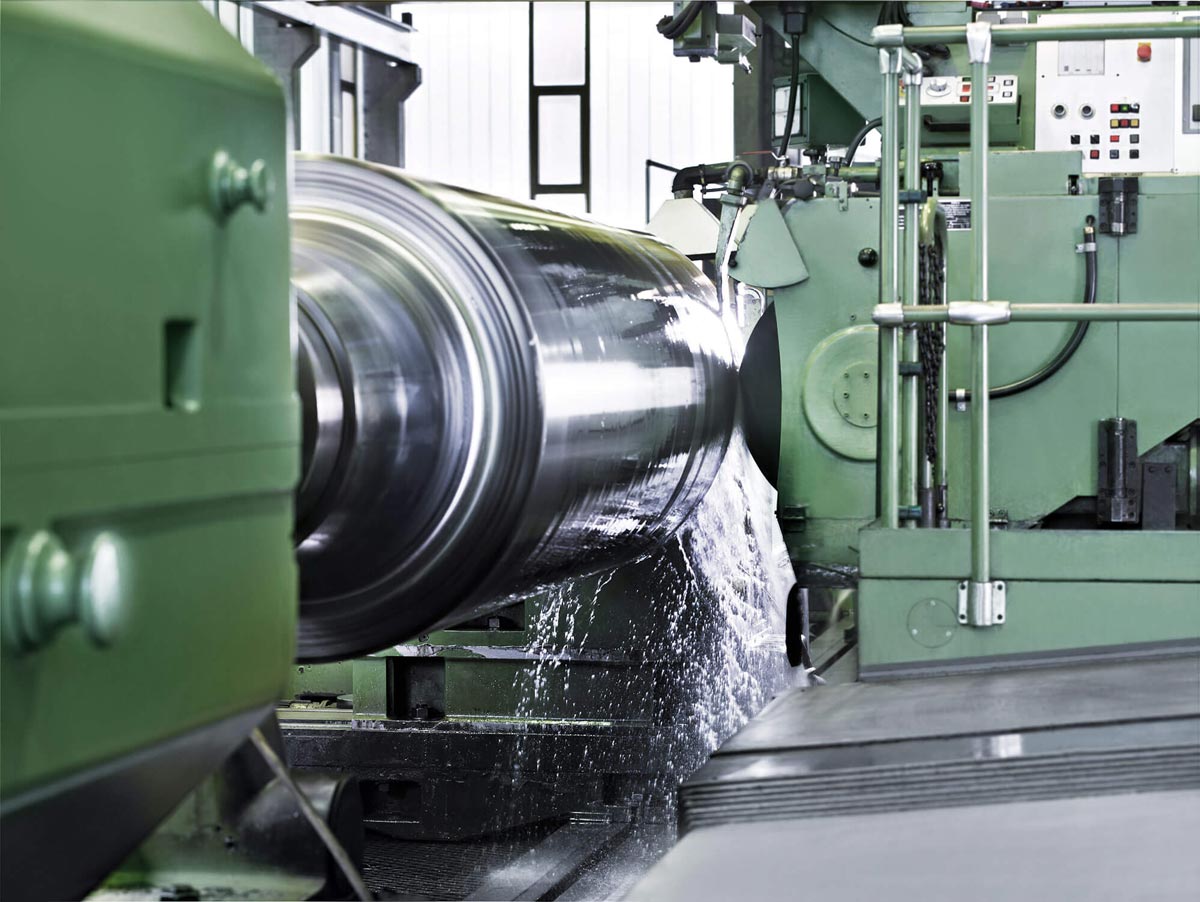
Lead screws require high manufacturing accuracy, especially regarding thread precision and surface finish. Contract manufacturers have the specialized machinery and expertise to meet these demands.
Specialized equipment
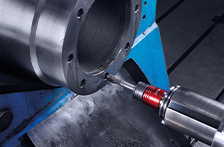
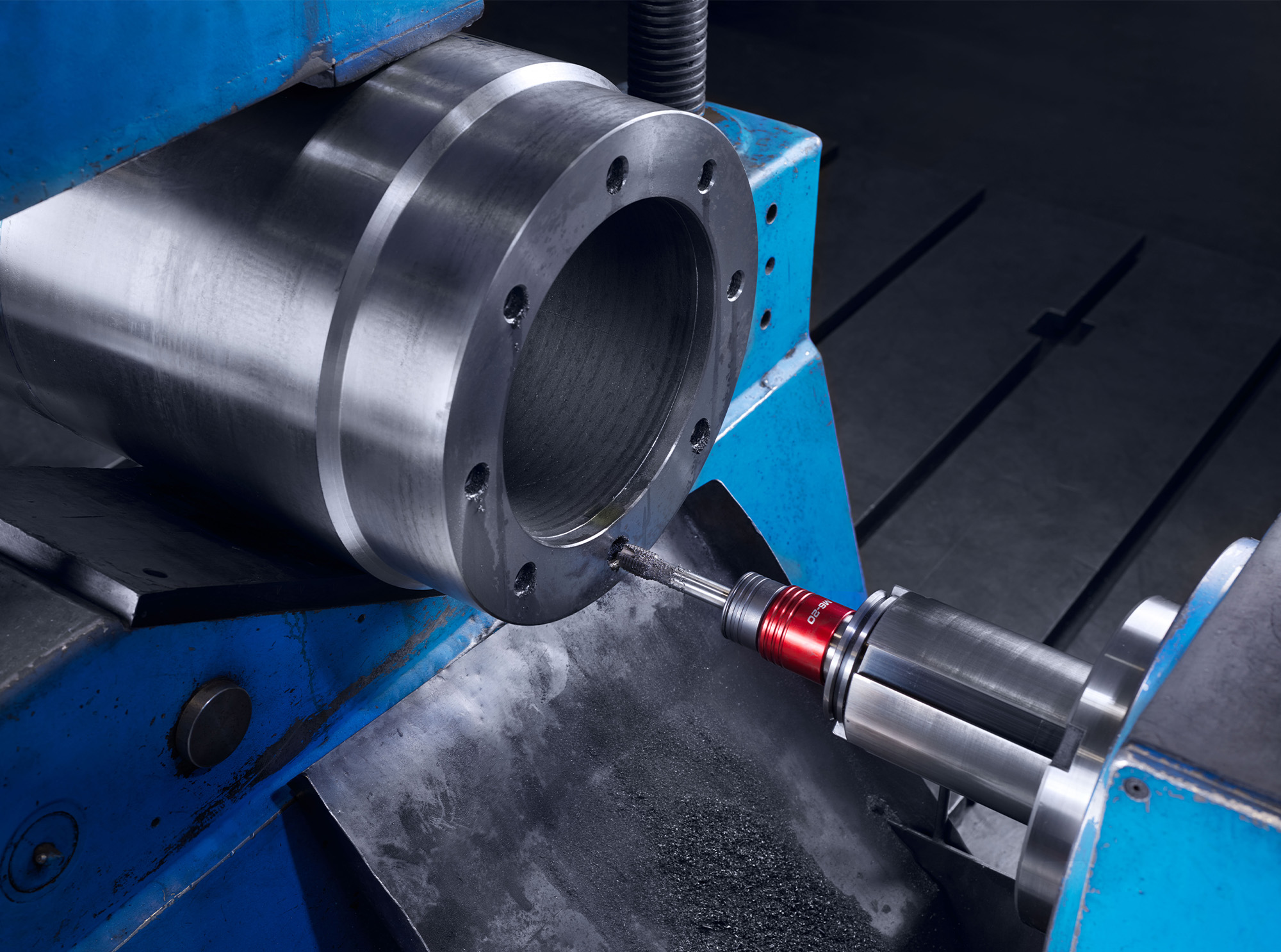
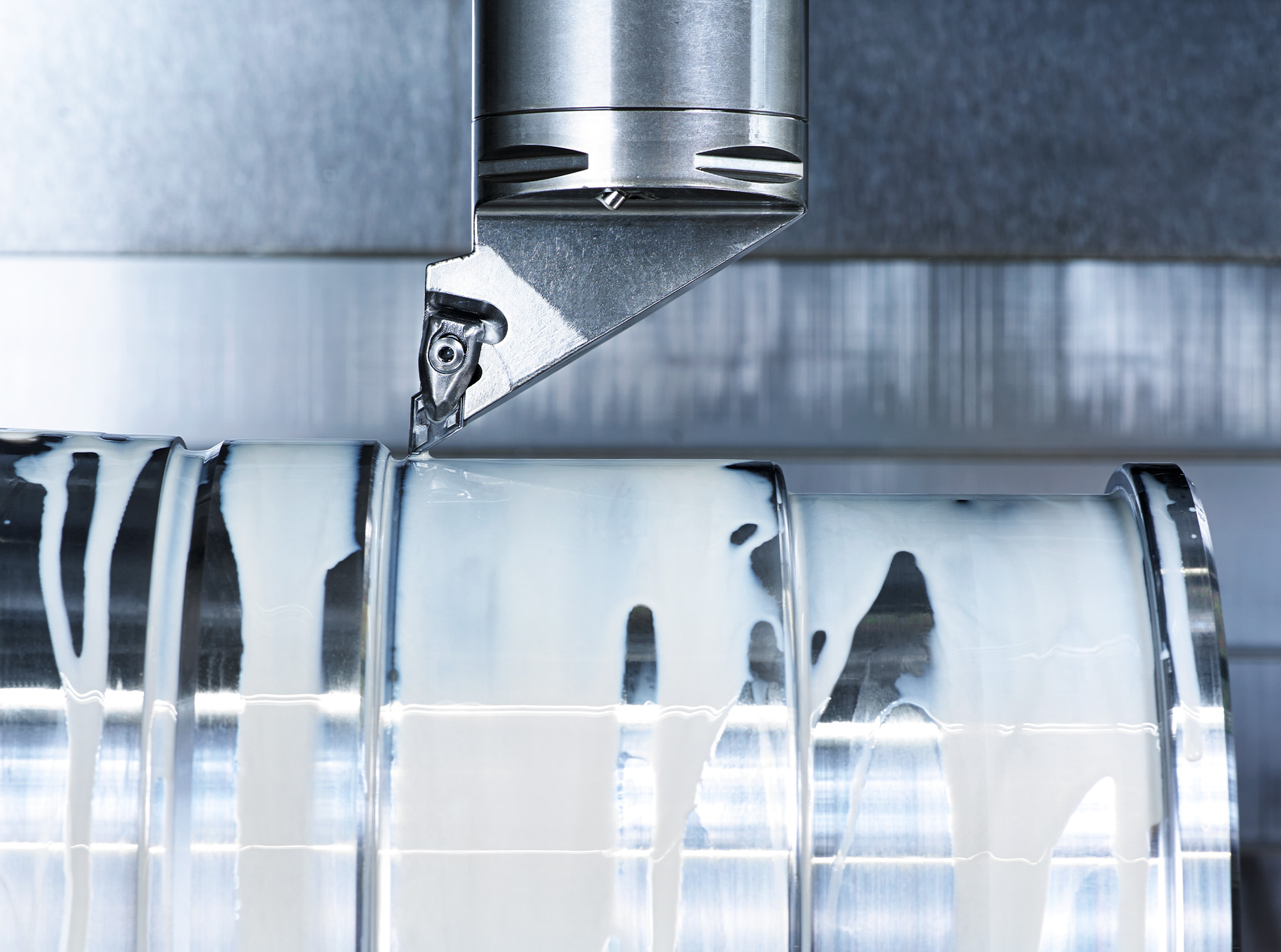
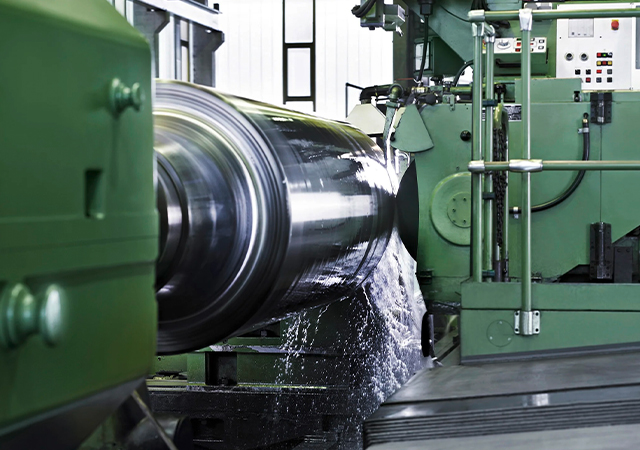
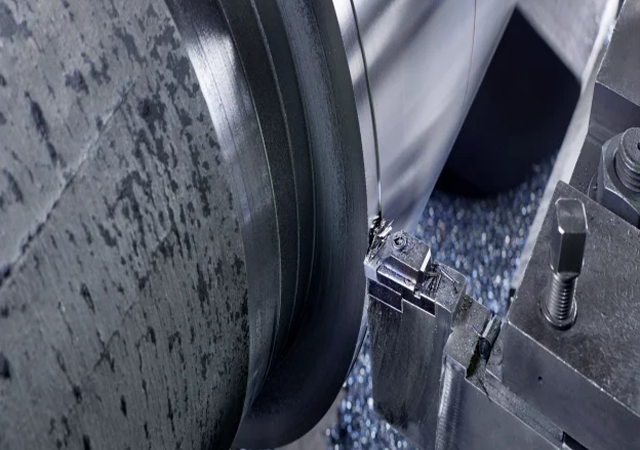
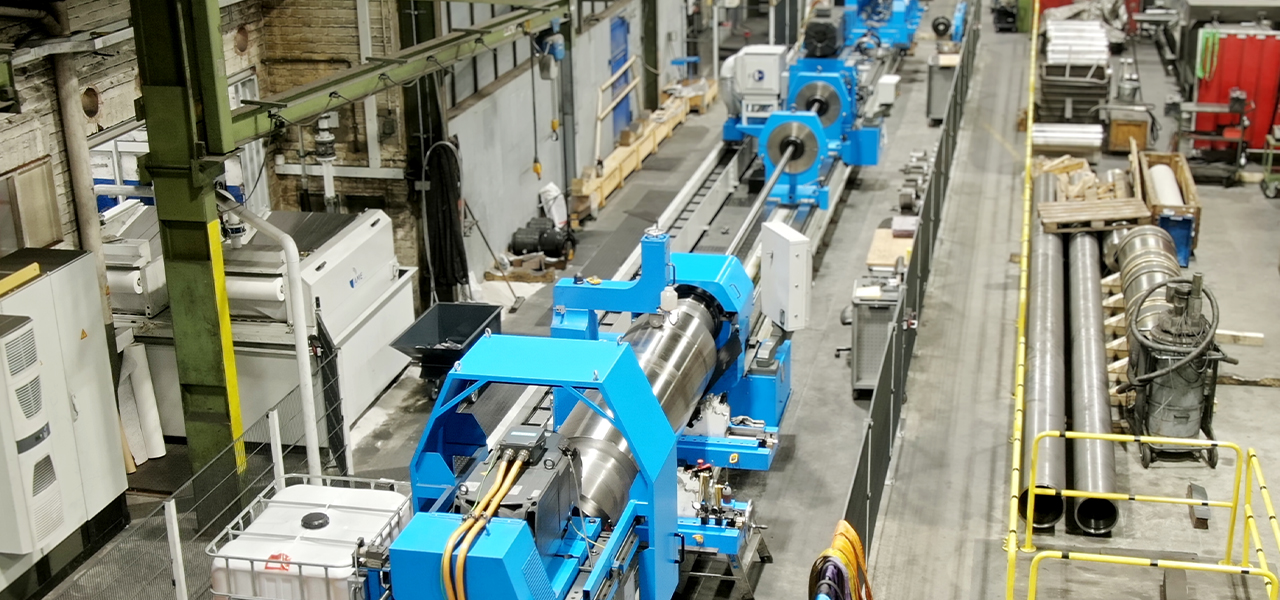
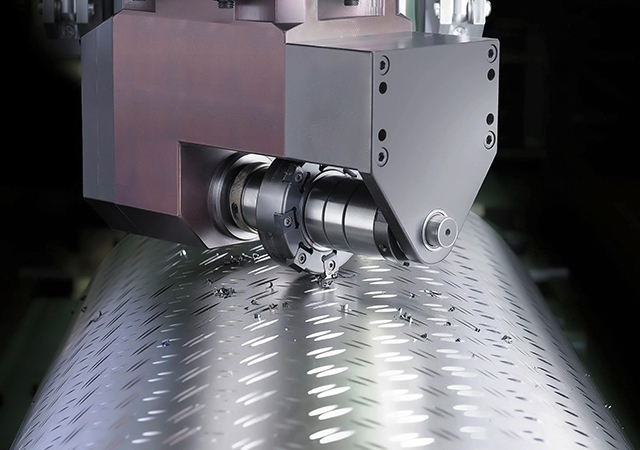
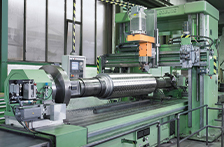
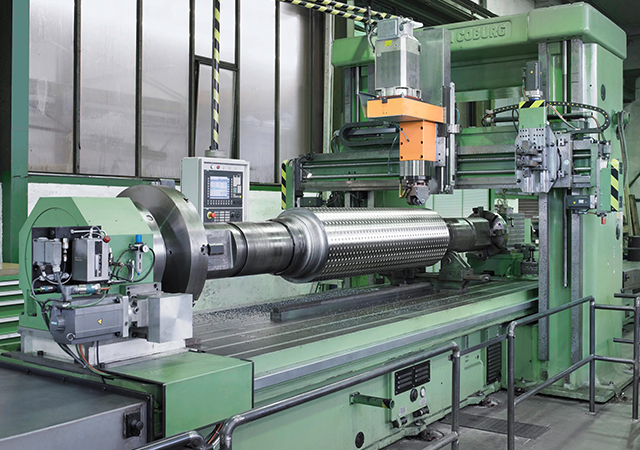
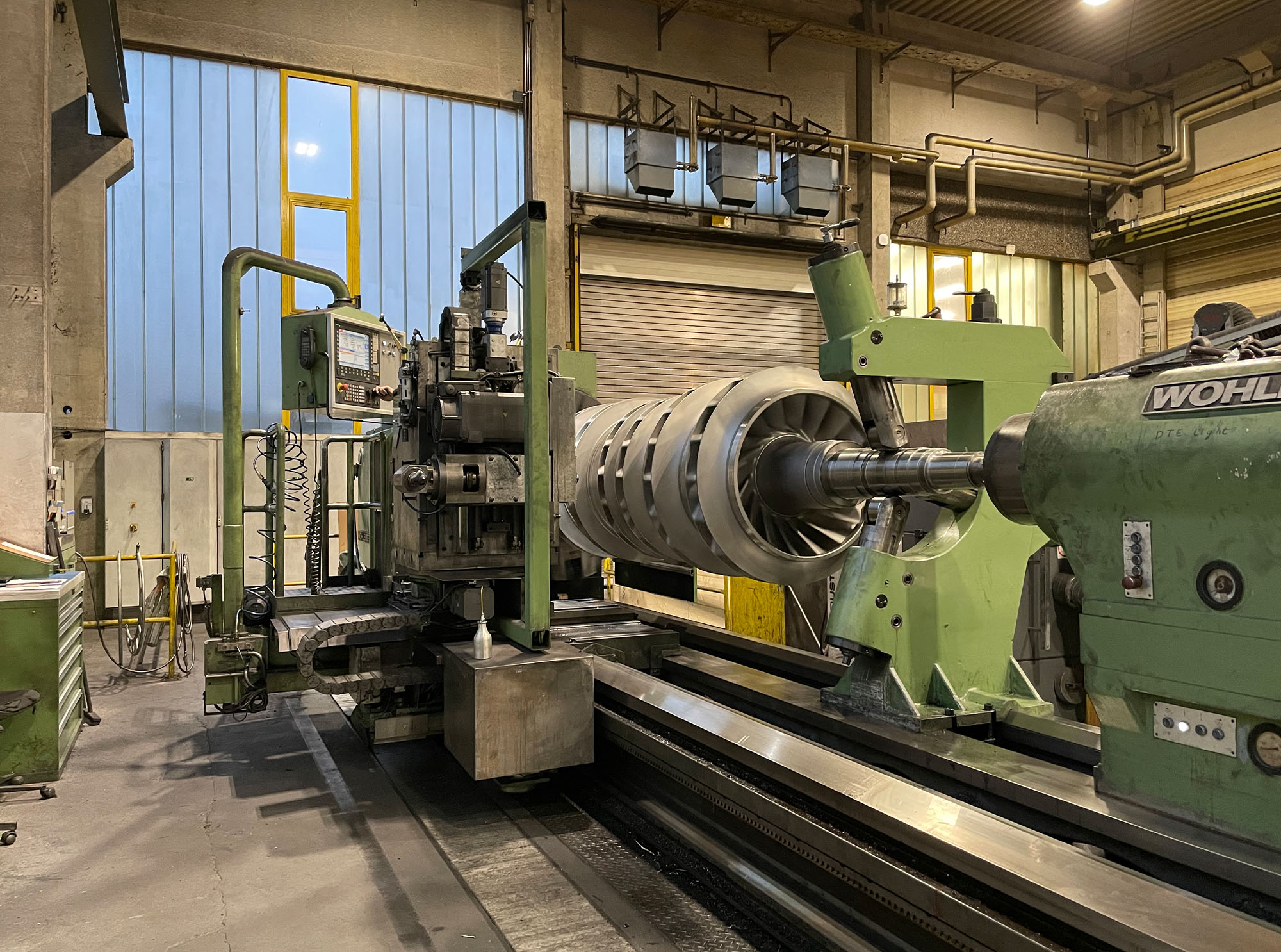
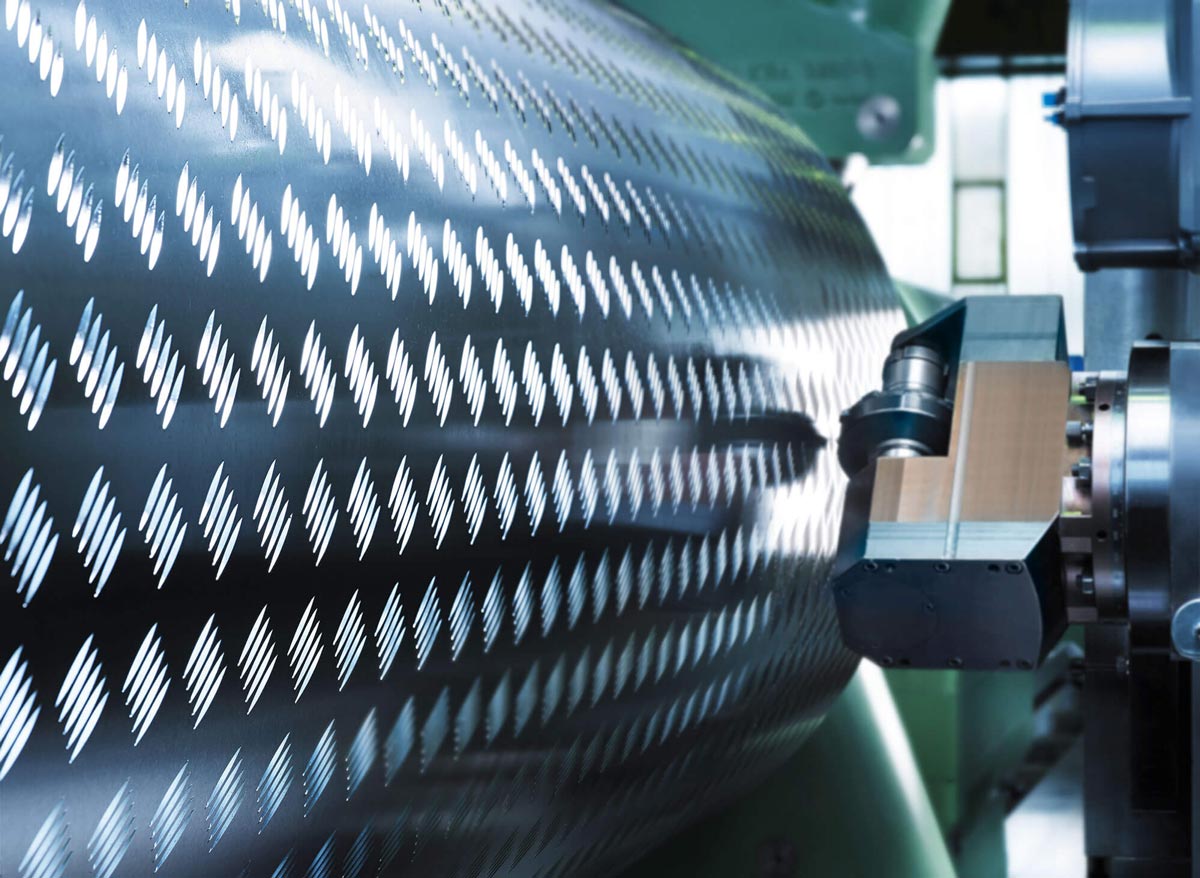
Lead screw machining may involve turning, grinding, milling, and deep hole drilling. Contract machining companies have the equipment and expertise to perform these complex processes efficiently.
Material processing
Lead screws are often made from high-strength materials like hardened steel, which are difficult to machine. Contract manufacturers are skilled in handling such materials using the right tools and techniques.
Efficiency and cost
Outsourcing lead screw production to contract manufacturers can reduce costs and increase efficiency, allowing companies to focus on their core business while specialists handle the complex production processes.
Typical Application: Lead Screw Pump
Lead screws have many industrial applications, including pumping systems, particularly in metering and positive displacement pumps. For example, in chemical production, precise dosing of aggressive chemicals in a continuous process is required. A lead screw pump ensures accurate and consistent chemical delivery.
Components and Function:
Lead screw: The central component of the pump, rotating within a cylindrical housing. The screw has a precise thread profile responsible for fluid transport.
Pump inlet and outlet: Chemicals enter through the pump inlet and are continuously conveyed along the housing axis by the rotation of the screw. The outlet delivers the fluid into the production process.
Seals and materials: For handling aggressive chemicals, the screw and all wetted components are made of corrosion-resistant materials such as stainless steel or specialized plastics. High-precision seals prevent leaks and ensure safe operation.
Advantages of a Lead Screw Pump:
Precision: The lead screw allows exact dosing, critical for product quality and process consistency.
Continuous flow: Unlike piston pumps, lead screw pumps provide smooth, pulsation-free flow, ensuring a stable process.
Low maintenance: Robust construction and high-quality materials make the pump durable and maintenance-friendly.
This example illustrates how lead screws optimize pump systems by enabling precise, efficient, and reliable movement and transport of fluids.
FAQ
A lead screw is a mechanical component that converts rotational motion into linear motion. It consists of a threaded spindle and a corresponding nut.
There are trapezoidal screws, ball screws, and roller screws. Each type has specific properties and advantages depending on the application requirements.
Lead screws require high manufacturing precision, especially regarding thread accuracy and surface finish. Contract machining companies have specialized machinery and expertise to meet these requirements.
Lead screws are often made from high-strength materials such as hardened steel, which can be difficult to machine. Contract machining companies have the necessary equipment and techniques to process these materials efficiently.
In lead screw pumps, the lead screw draws liquids in through an inlet and continuously conveys them along the screw’s axis. This allows for precise and consistent delivery of liquids and chemicals into a production process.