















Chip formation
How does chip formation occur?
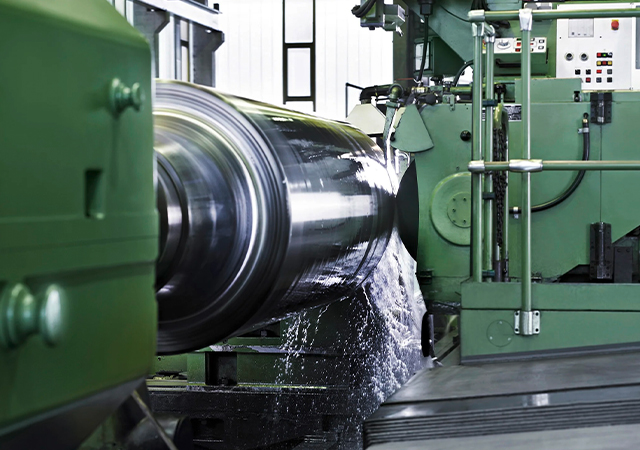
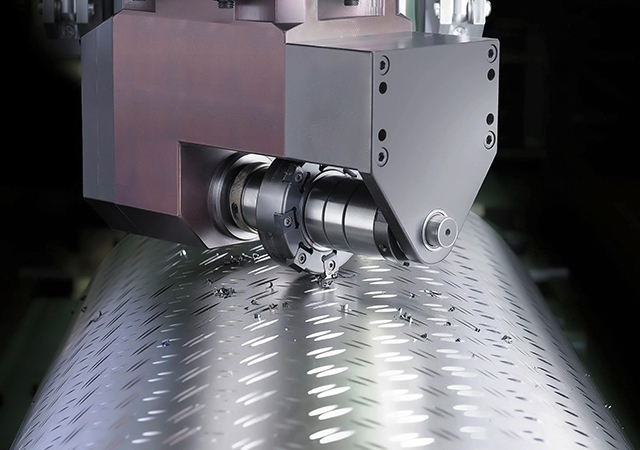
Chip formation refers to the process of material removal in machining, where material is separated from a workpiece by a cutting tool to achieve the desired shape. The type of chips produced can provide insight into the efficiency of the machining process.
How chip formation happens
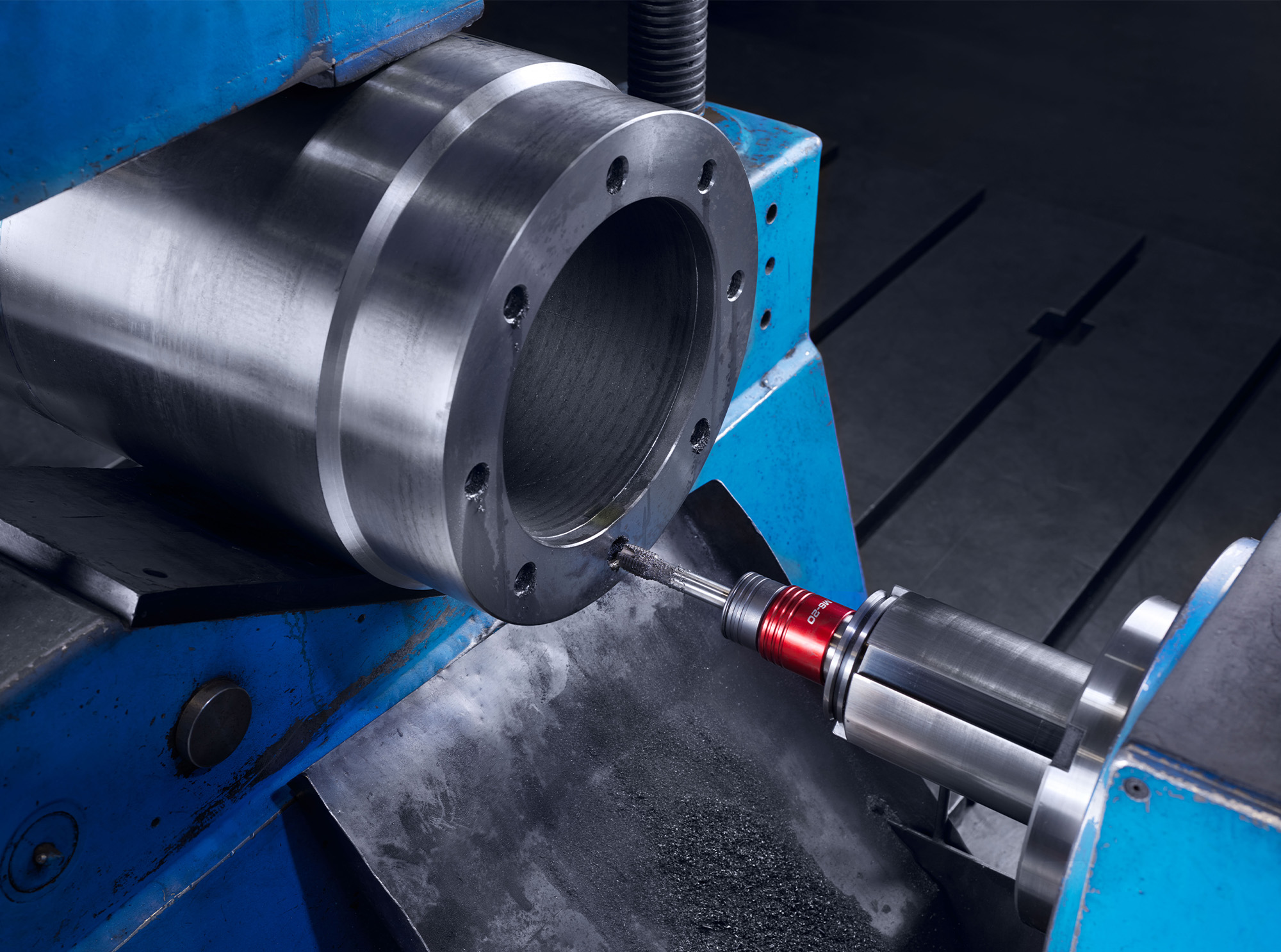
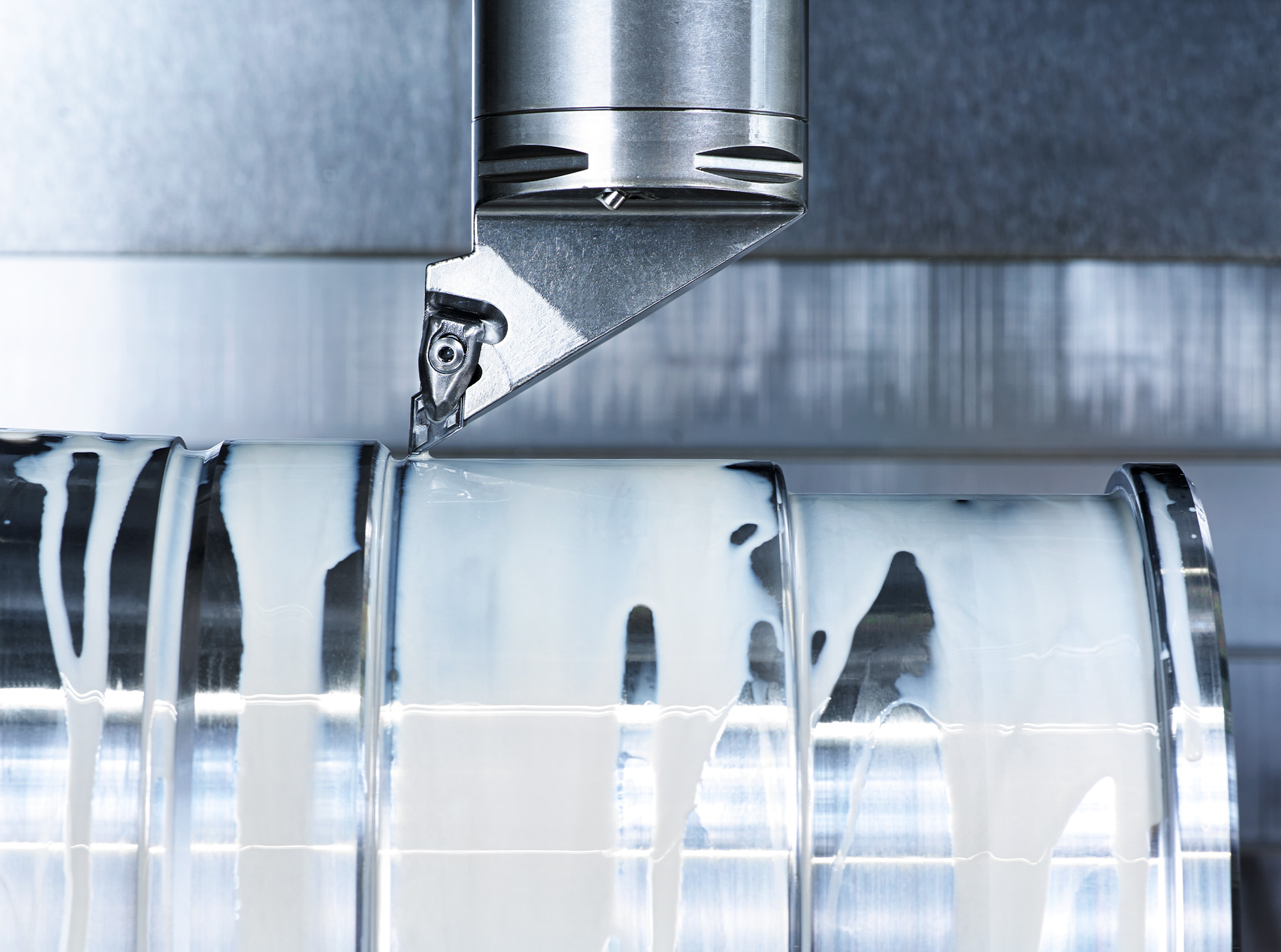
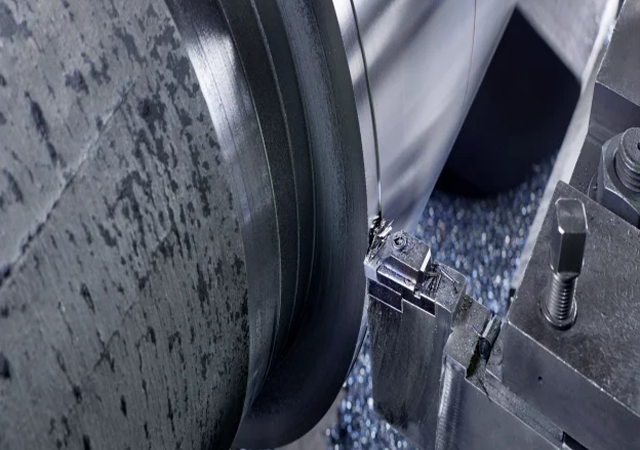
Chip formation occurs during a mechanical machining process when a cutting tool penetrates the workpiece and removes material. This process happens in several stages:
- Tool penetration: The tool enters the material in a wedge-like manner, causing plastic deformation on the surface.
- Scherzone formation: As the stress increases, it exceeds the material’s yield strength, forming a plastic shear zone.
- Chip separation: In the shear zone, the material deforms and stretches until cracks form, and chips are separated from the workpiece.
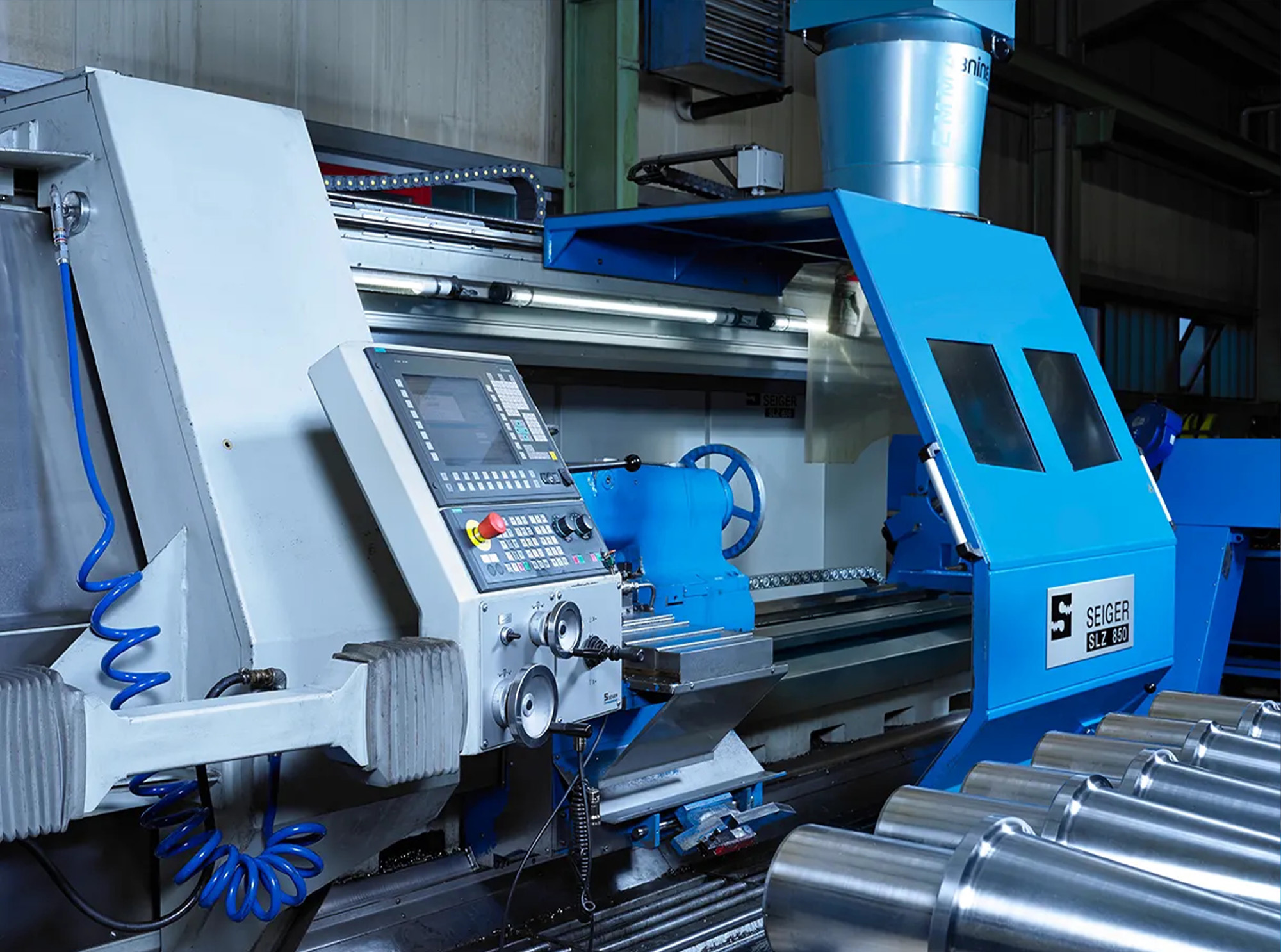
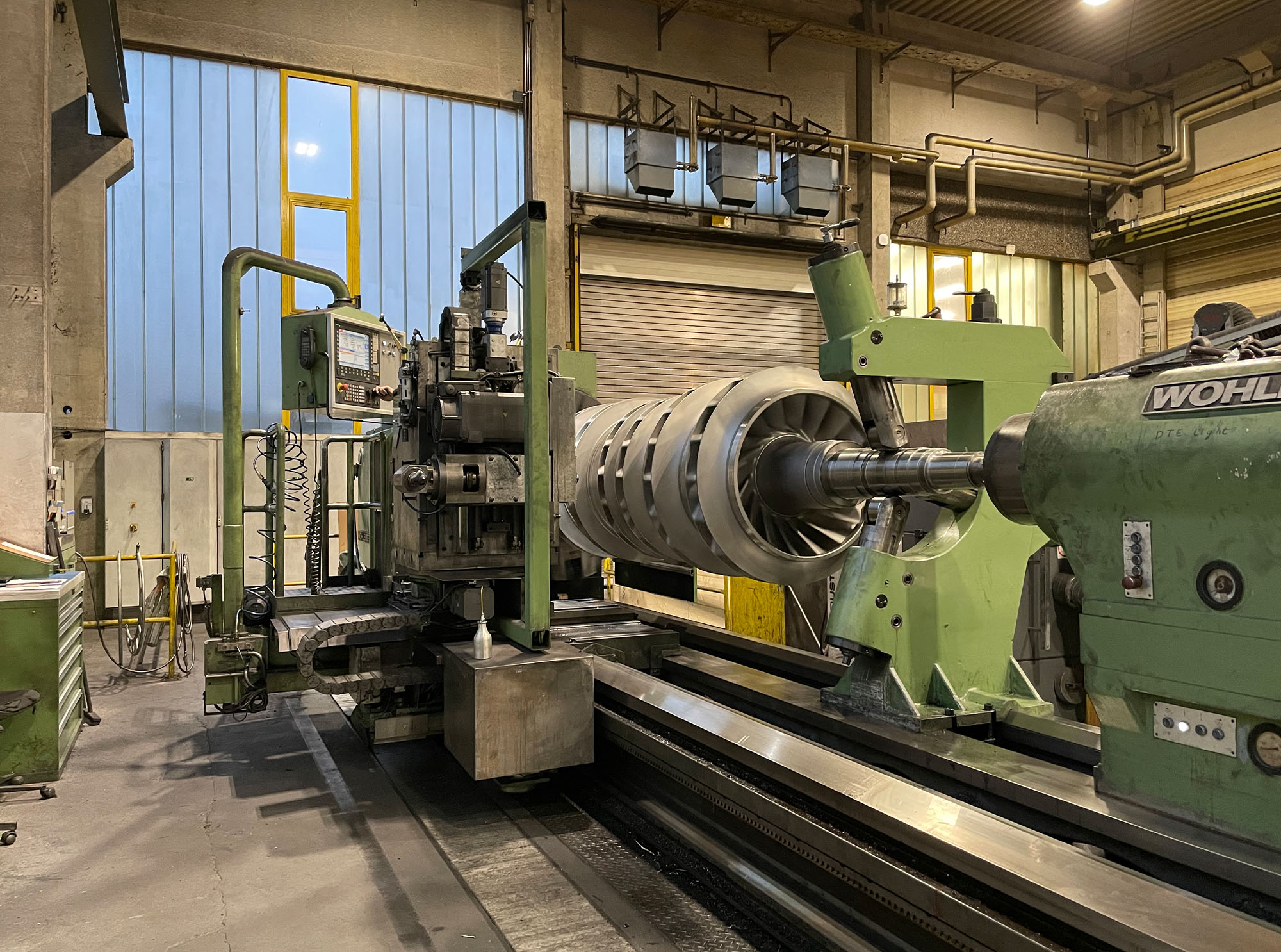
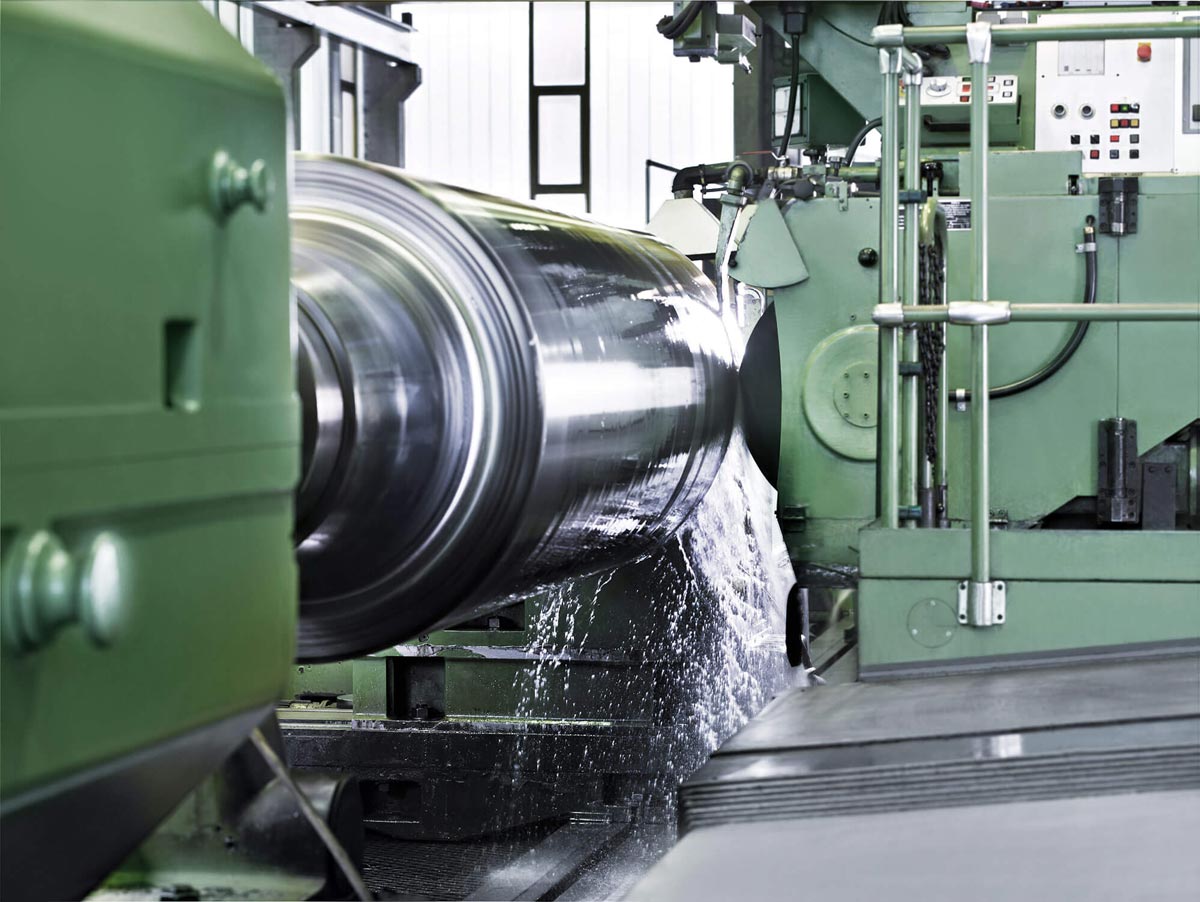
Machining processes that produce chips include turning, milling, drilling, and grinding. The tool type, cutting speed, feed rate, and cooling conditions all affect the quality and shape of the resulting chips.
Different types of chips exist, such as continuous (flow) chips, segmented (shear) chips, or discontinuous (tear) chips, each indicating specific machining conditions. A well-controlled chip formation process is critical for efficiency, tool life, and surface quality. Understanding how various factors influence chip formation allows optimization of machining parameters, prolongs tool life, and improves workpiece surface finish.
How chip formation can be influenced
Chip formation can be controlled by adjusting machining parameters and conditions affecting both the tool and the workpiece:
- Cutting speed: Higher speeds often reduce chip thickness and promote continuous chips, improving surface finish.
- Feed and depth of cut: Higher feed rates and deeper cuts generally produce thicker chips and require stronger tools.
- Tool geometry and rake angle: A positive rake angle eases tool penetration and promotes uniform continuous chips.
- Tool materials and coatings: These affect heat generation and friction during cutting, influencing chip shape.
- Coolants and lubricants: Reduce temperature and friction, preventing built-up edges that can negatively affect chip formation and surface quality.
- Workpiece material: Harder materials tend to produce shear or tear chips, while softer materials often create flow chips.
By carefully adjusting these factors, chip formation can be optimized, leading to better machining results, longer tool life, and improved surface quality.
FAQ
Chip formation is the process of material removal in machining, where chips are produced through mechanical cutting. A tool removes material from a workpiece to achieve the desired shape.
Chip formation occurs when a cutting tool penetrates a workpiece and removes material. This happens in several stages, starting with plastic deformation of the material surface.
The machining process can be carried out using methods such as turning, milling, drilling, or grinding. These methods influence the quality and shape of the resulting chips.
Chip formation is influenced by cutting speed, feed rate, depth of cut, and tool geometry. Coolants and lubricants, as well as the workpiece material, also play an important role.
A well-controlled chip formation process is crucial for machining efficiency and quality. It allows optimization of machining parameters, extends tool life, and improves the surface finish of the workpiece.