























Engineering material
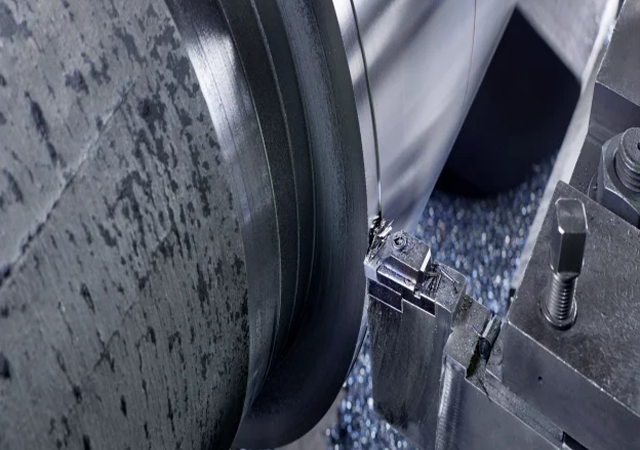
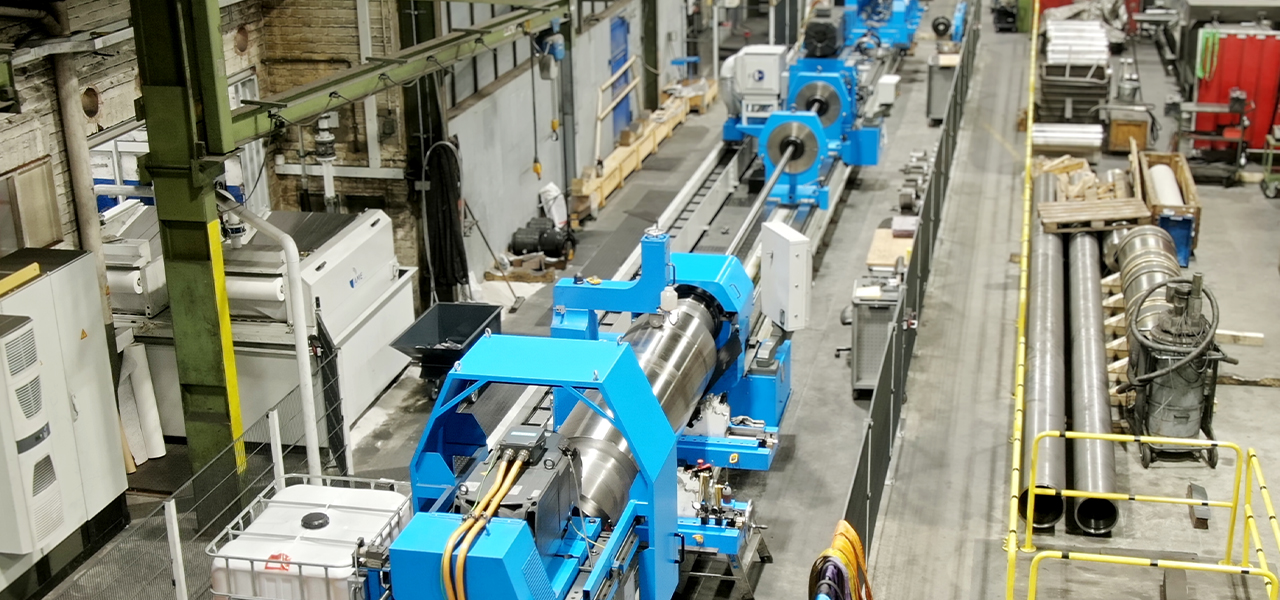
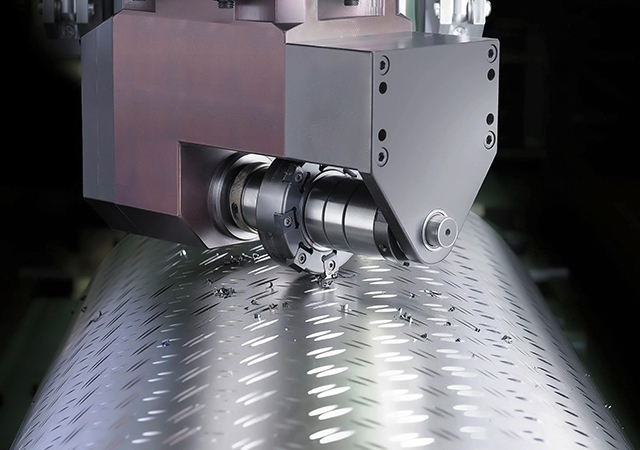
An engineering material is a solid substance used to manufacture components and constructions. Materials are characterized by their formability, which allows designs developed during the engineering process to be realized in manufacturing. The choice of the right material and corresponding production methods critically influences the quality and properties of the final product.
Classification of Materials
Materials can be classified into different categories based on their chemical and physical properties as well as their intended use. A common classification distinguishes between metallic materials, non-metallic inorganic materials, and polymers (plastics).
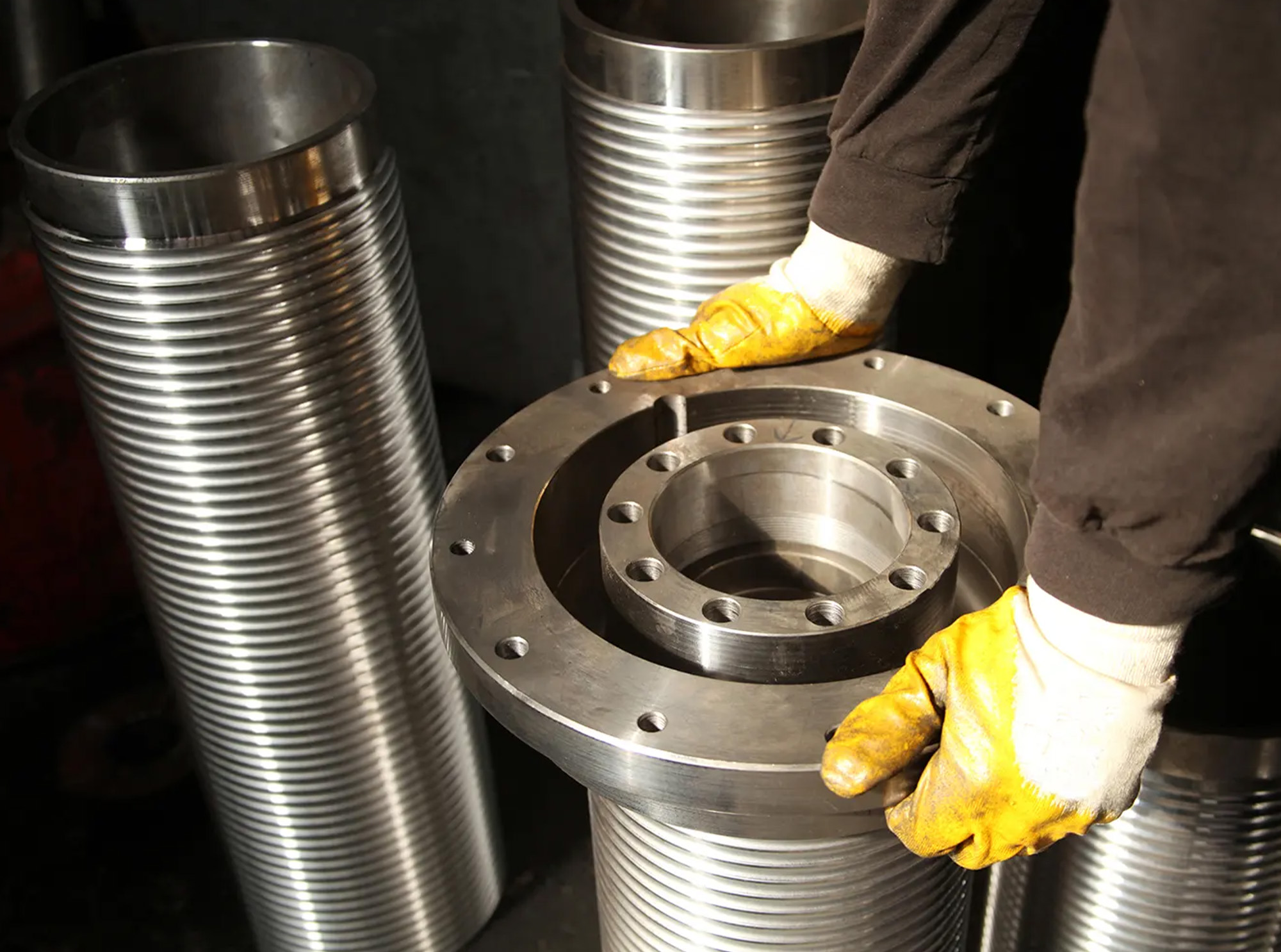
- Metallic materials include iron-based materials such as steel (carbon content below 2%) and cast iron (carbon content above 2.06%), as well as non-ferrous metals and their alloys, such as aluminum, copper, brass, magnesium, and titanium.
- Non-metallic inorganic materials include ceramics, glass, and inorganic binders (e.g., cement). These materials are characterized by high hardness and heat resistance and are used in construction, electronics, and other industries.
- Polymers can be subdivided into thermoplastics, thermosets, and elastomers. Thermoplastics can be shaped at high temperatures and re-melted multiple times, thermosets take on a permanent shape during curing, and elastomers are flexible and stretchable.
Additionally, composite materials combine substances from different categories to optimize specific properties. Further distinctions include:
- Structural materials (e.g., construction materials, profile bars)
- Functional materials (e.g., coatings, catalysts)
- Tool materials (e.g., wear-resistant materials)
This detailed classification enables engineers to select the most suitable material for each specific application, ensuring optimal performance and efficiency.
Material Properties Overview
Materials exhibit a wide range of properties that determine their suitability for different applications. The main categories are:
- Mechanical properties: hardness, strength, elasticity, plasticity, toughness. These define how a material responds to forces and how resistant it is to pressure, tension, or bending.
- Physical properties: density, melting point, thermal conductivity, electrical conductivity, optical characteristics. These are important for applications with thermal or electrical requirements, such as electronics or construction.
- Chemical properties: corrosion resistance, oxidation behavior, chemical stability. Critical for materials used in aggressive environments, e.g., in chemical plants or shipbuilding.
- Technological properties: castability, weldability, machinability, formability. These influence how easily the material can be processed and determine the suitable manufacturing methods.
- Environmental properties: recyclability, eco-friendliness, and energy efficiency in production and processing. Sustainability and resource conservation are increasingly important in modern manufacturing.
Additionally, materials can have functional properties, such as magnetic or piezoelectric characteristics, making them suitable for specialized applications. The combination of these diverse properties allows materials to be carefully selected for specific requirements and applications.
FAQ
An engineering material is a solid substance from which components and structures can be manufactured. It is characterized by formability, allowing it to take the desired shape during the manufacturing process.
Materials are classified based on their chemical and physical properties as well as their intended use. Common categories include metallic materials, non-metallic inorganic materials, and polymers.
Metallic materials include iron-based materials such as steel and cast iron, as well as non-ferrous metals and their alloys, such as aluminum and copper. These materials are known for their strength and formability.
Polymers can be divided into thermoplastics, thermosets, and elastomers. Thermoplastics can be shaped at high temperatures, thermosets take on a permanent shape after curing, and elastomers are flexible and stretchable.
Ecological material properties refer to recyclability, environmental compatibility, and energy efficiency during production and processing. These properties are important because they contribute to sustainability and resource conservation.