













Workpiece
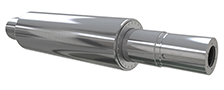
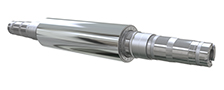
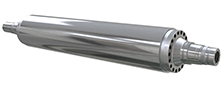
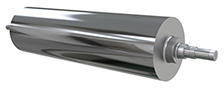
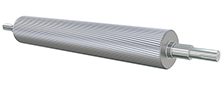
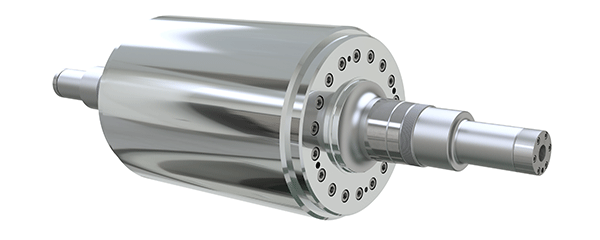
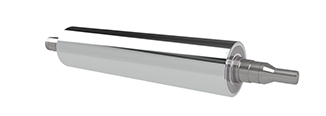
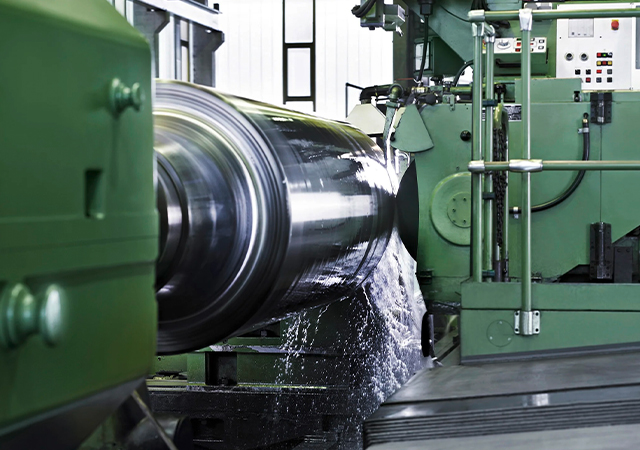
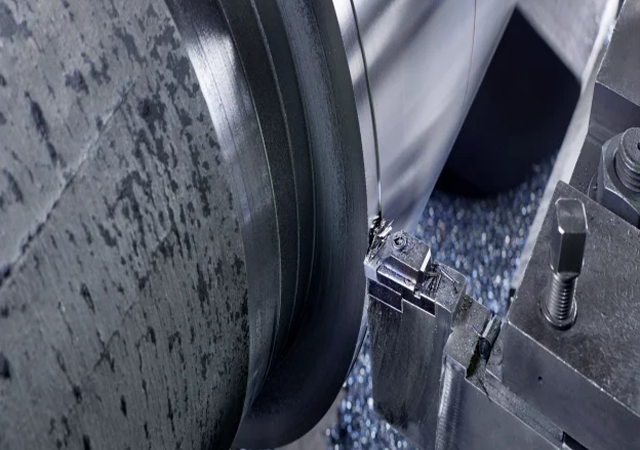
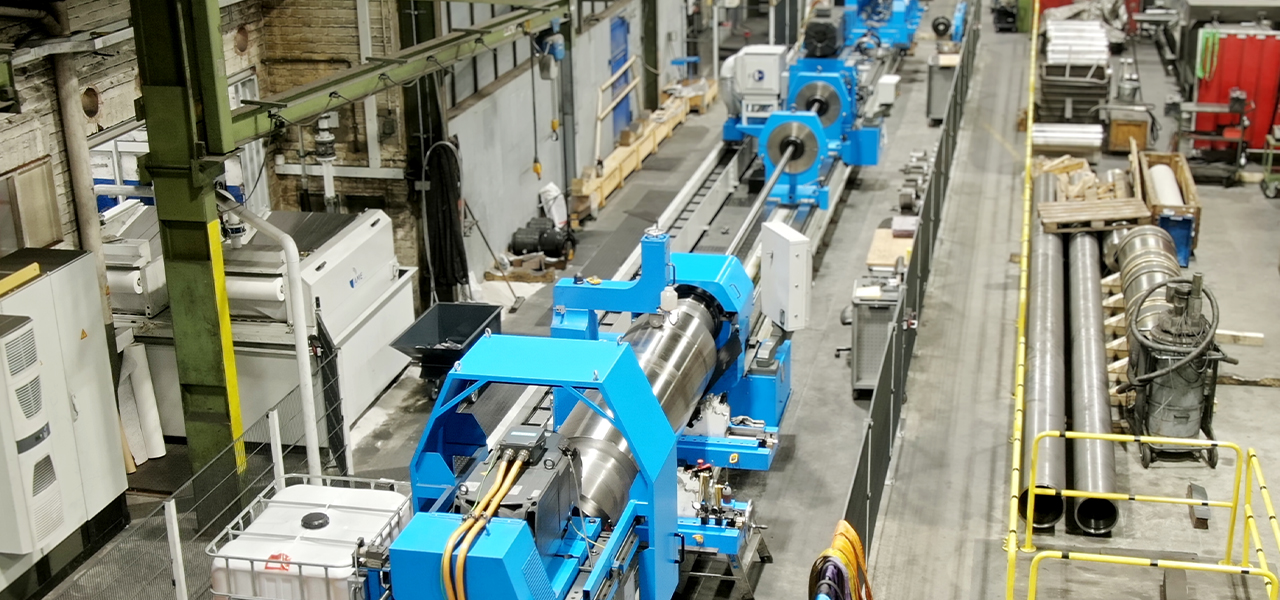
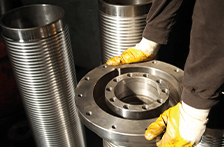
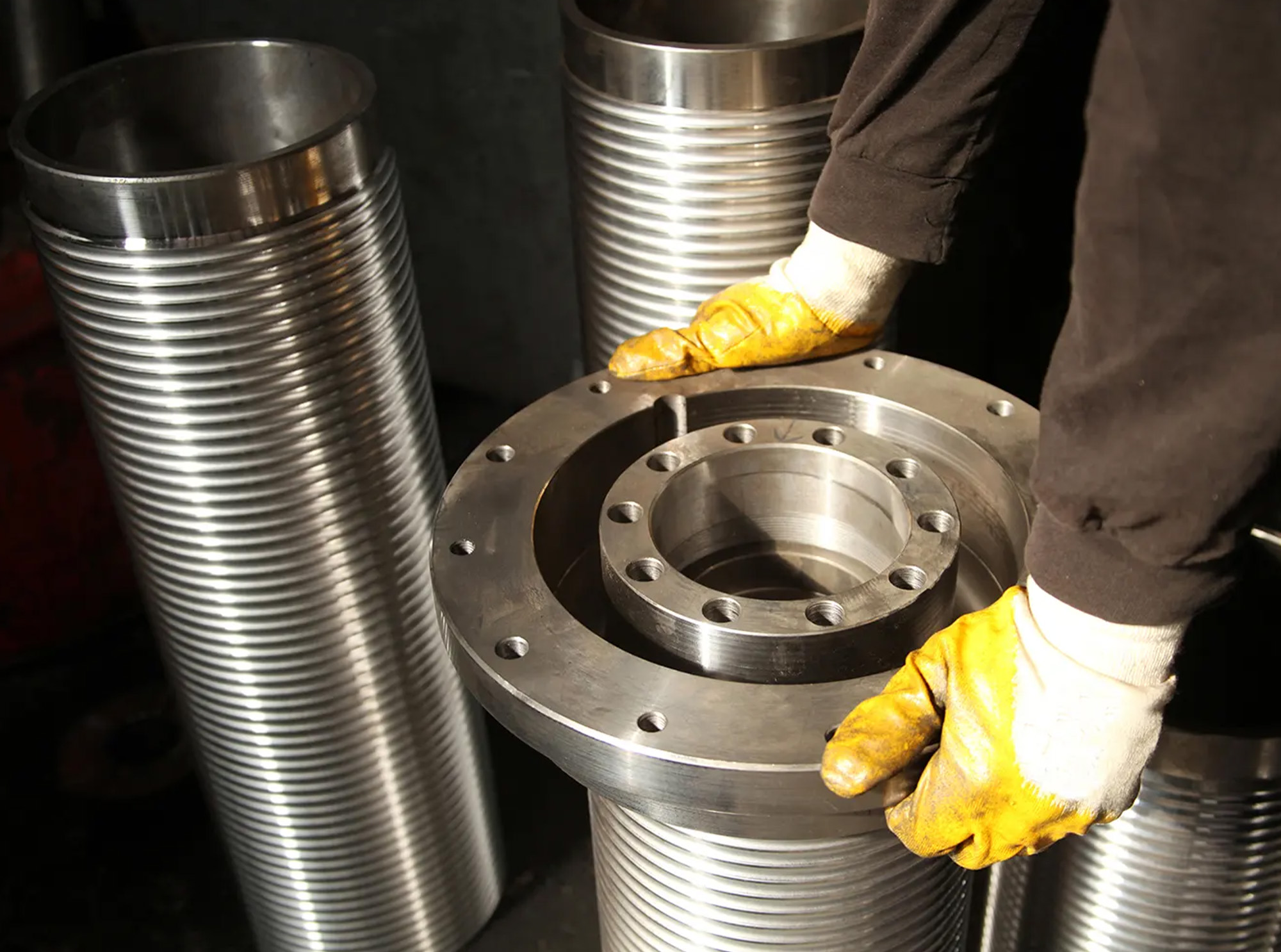
A workpiece is an object that is processed through a manufacturing operation, such as milling, turning, or drilling. It serves as the starting point or intermediate product in the production of a final component. The shape, dimensions, and properties of the finished product are determined by the specific requirements and the chosen manufacturing process.
Detailed explanation
A workpiece can be a raw part or semi-finished product that is shaped into a specific form or final product using various manufacturing techniques. In both industrial production and craftsmanship, the workpiece is the central object of any processing step.
Materials:
Workpieces can be made from metals, plastics, wood, ceramics, or other materials, depending on the requirements of the final product and the material properties.
Processing methods:
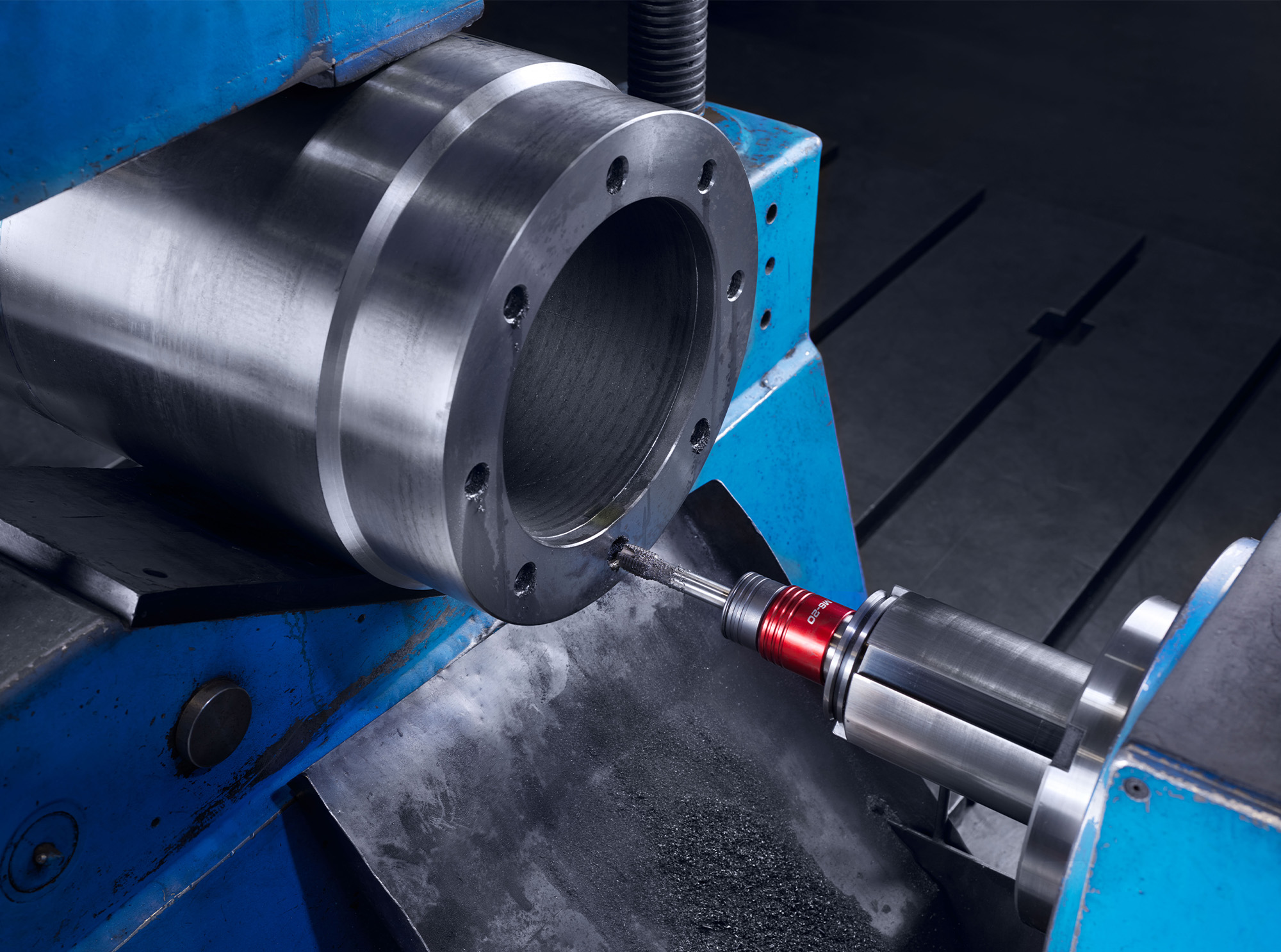
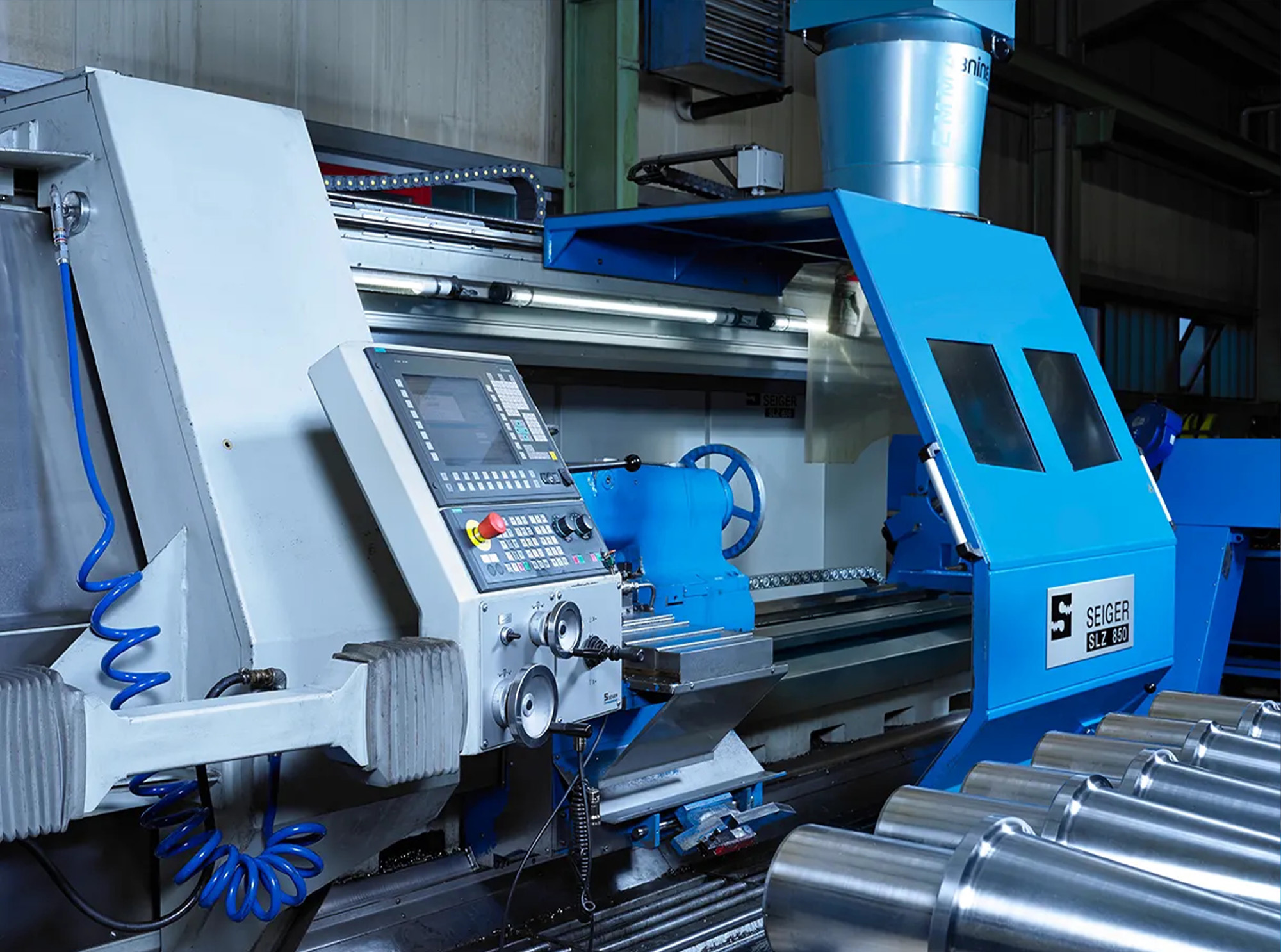
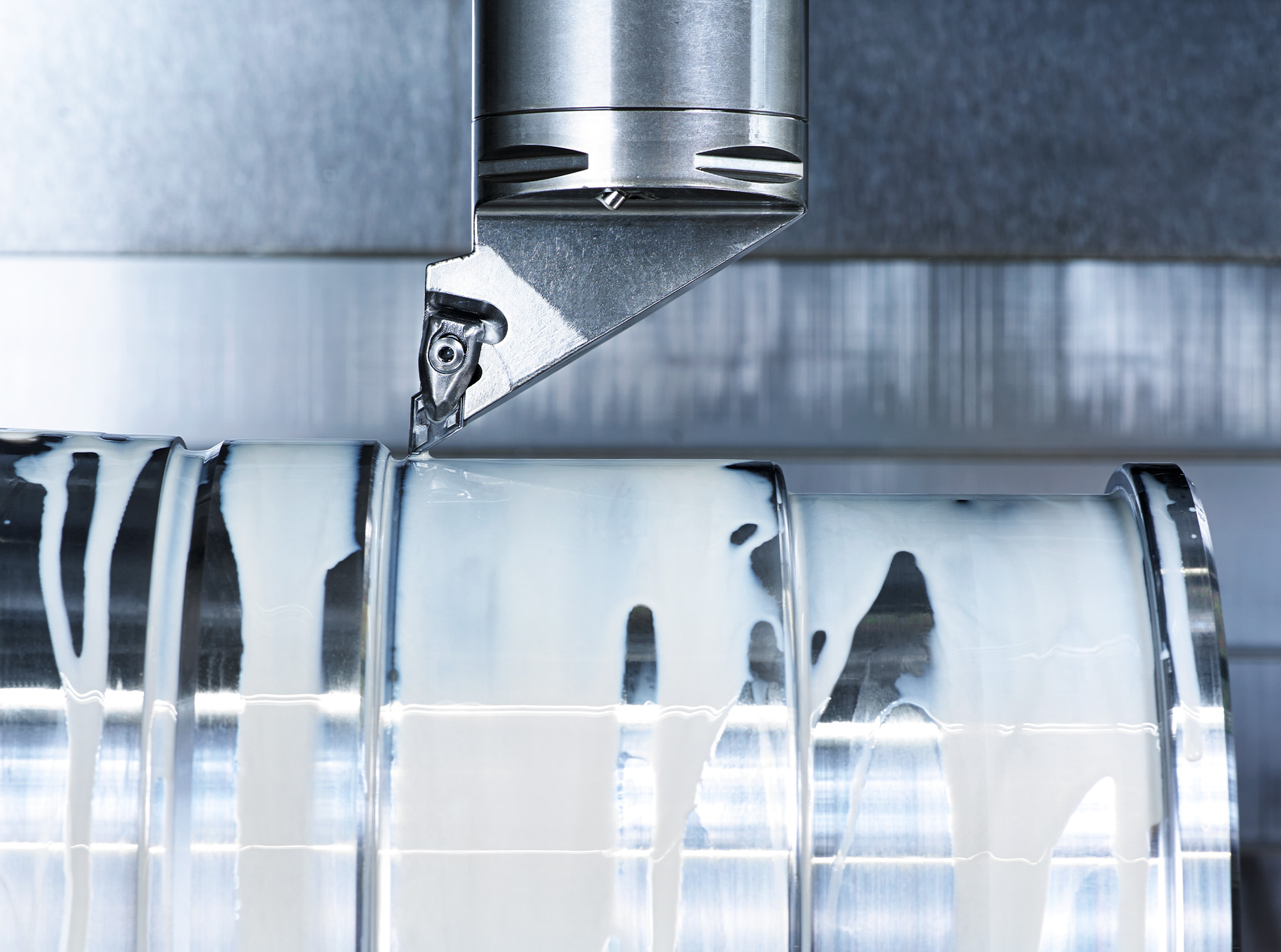
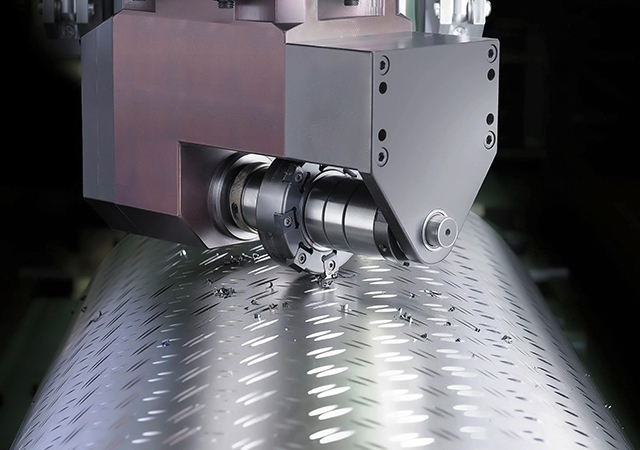
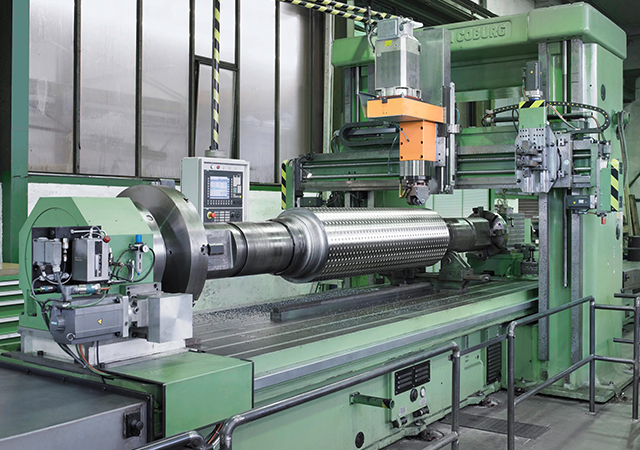
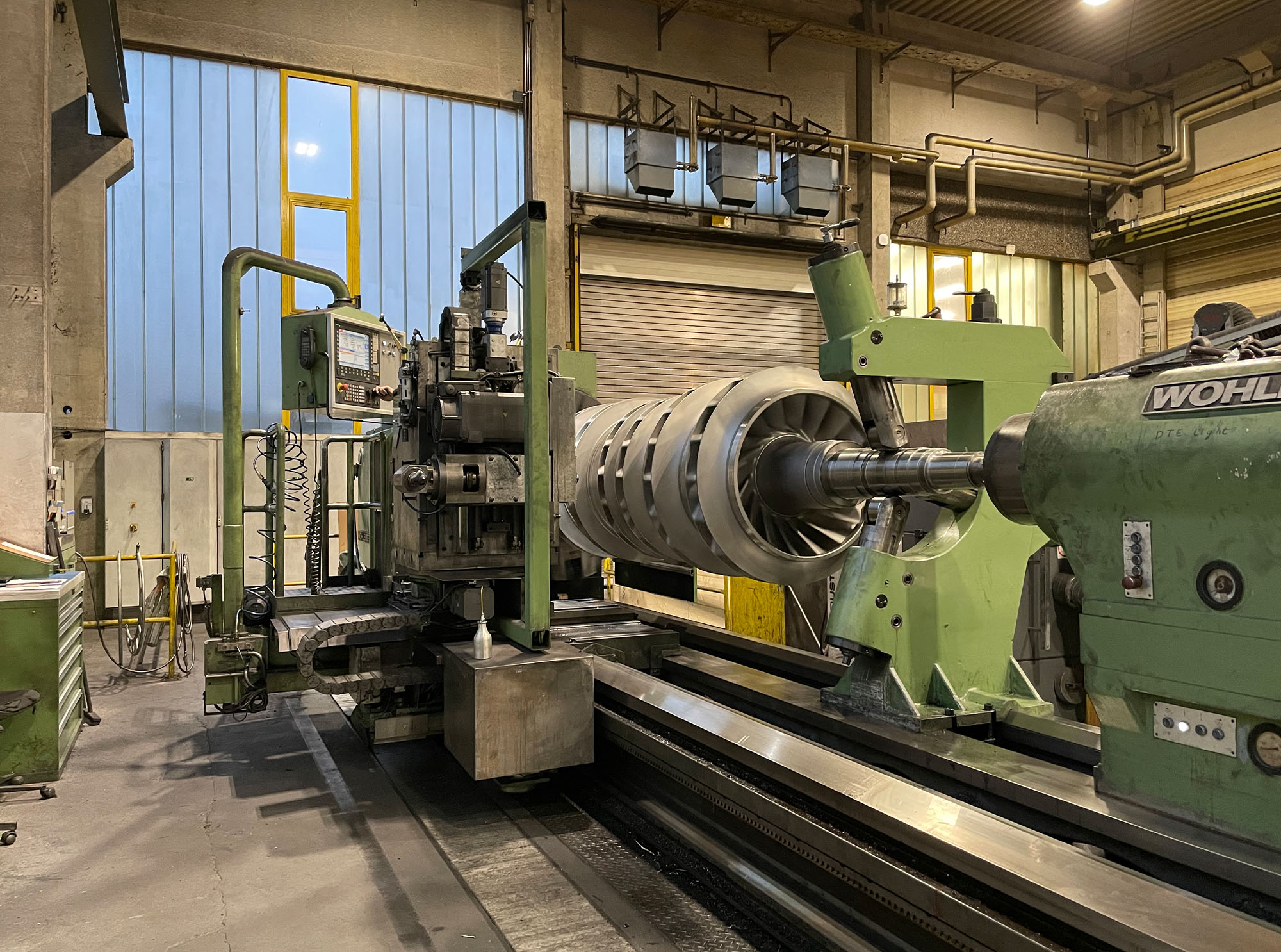
The workpiece is machined or shaped in multiple steps using different tools and machines. Common processes include:
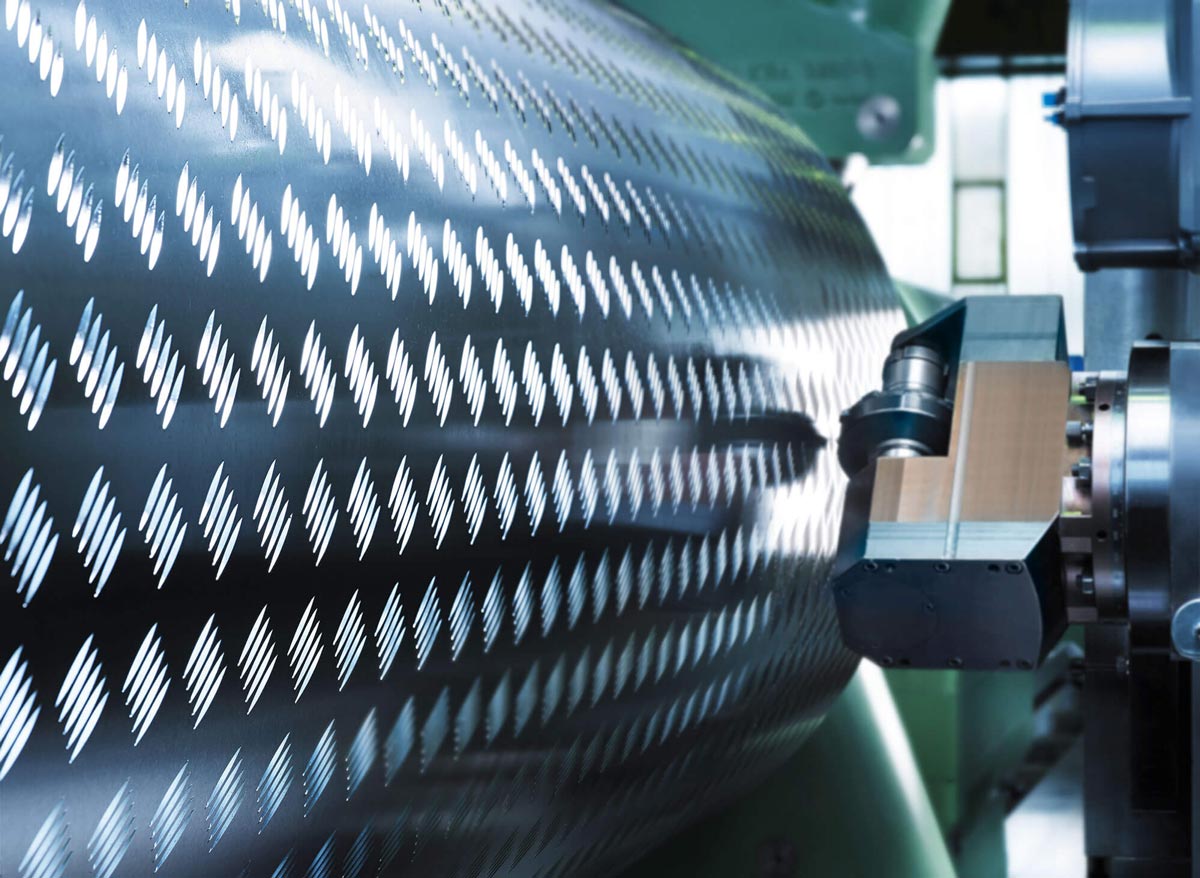
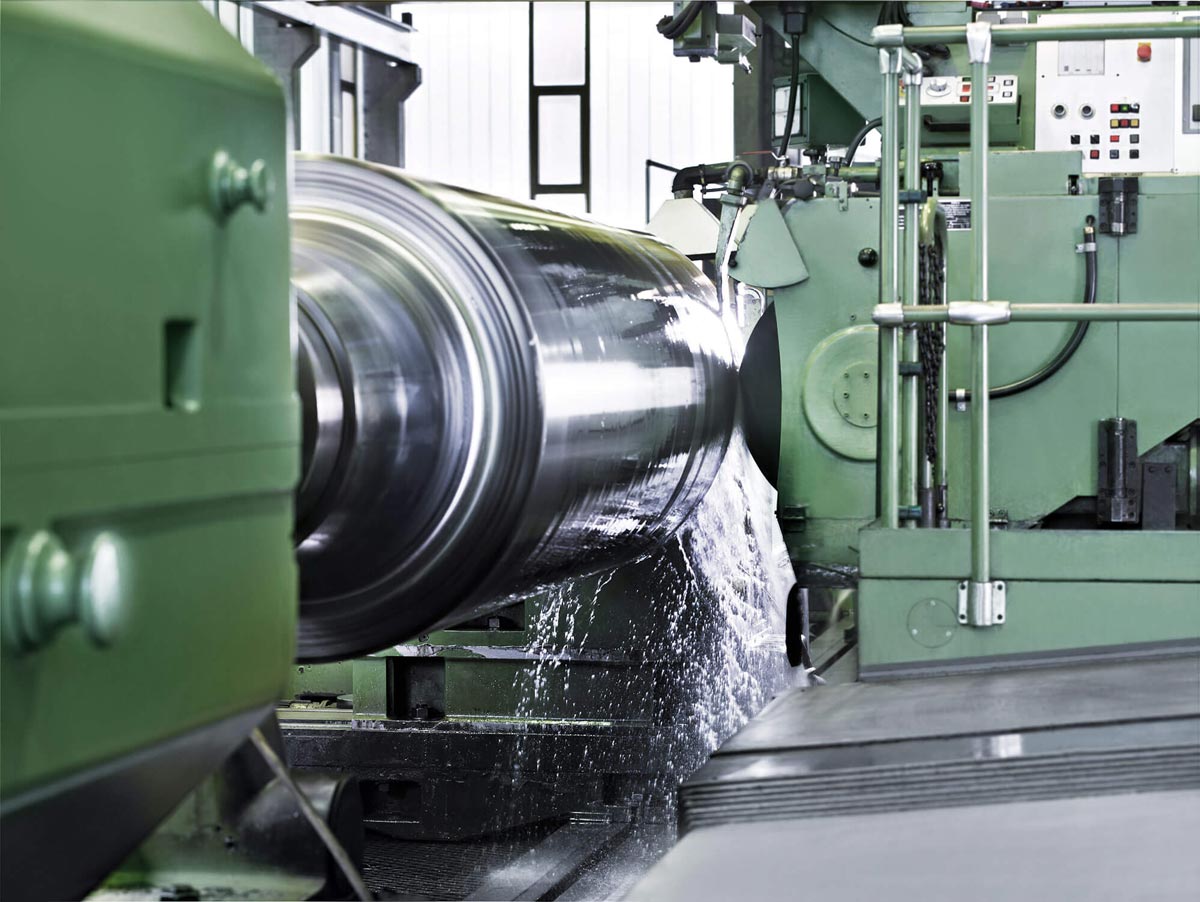
- Material removal: turning, milling, drilling, grinding
- Forming: stamping, bending, forging, casting
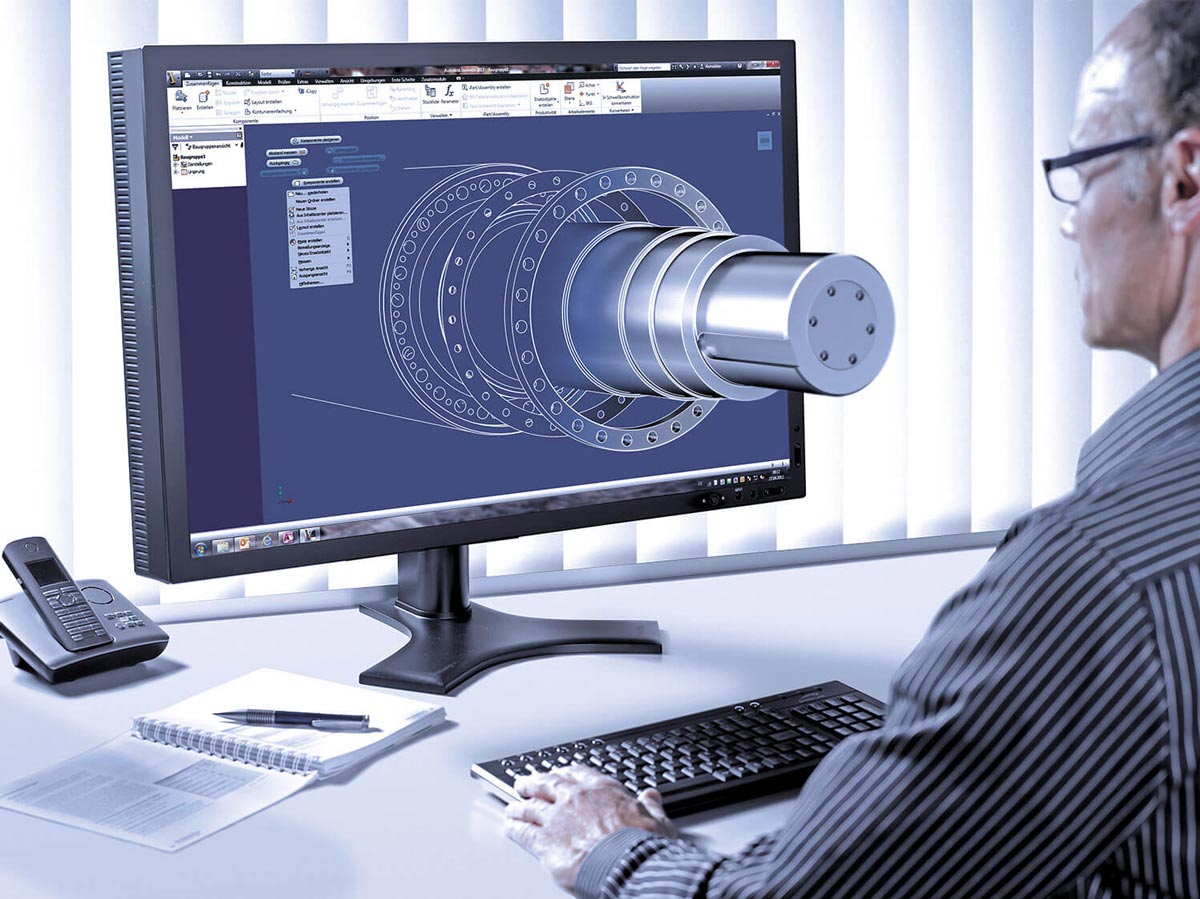
- Precision machining: CNC machining for highly accurate geometries based on CAD models
Quality and tolerances:
A key goal in processing a workpiece is maintaining dimensional tolerances and surface quality according to technical drawings and specifications. This ensures the functionality and fit of the final product. Measurement and inspection techniques, such as coordinate measuring machines (CMM) or surface profilometers, are often used to verify accuracy.
Post-processing:
Workpieces can undergo additional treatments, such as heat treatment, hardening, coating, or painting, to enhance specific properties. These post-processes can affect the mechanical, physical, and chemical characteristics of the material and are often critical for the durability and performance of the final product.
FAQ
A workpiece is an object that is processed through a manufacturing operation. It serves as the starting point or intermediate product in the production of a final component.
A workpiece can be made from materials such as metal, plastic, wood, or ceramics. The choice of material depends on the requirements of the final product.
Common machining processes include turning, milling, drilling, grinding, stamping, and bending. These methods gradually shape the workpiece into the desired form.
CNC machining uses computer-controlled machines to process workpieces according to predefined CAD models. This allows for highly precise and accurate machining.
Dimensional tolerances and surface quality are crucial for the functionality and fit of the final product. These requirements are specified in technical drawings and specifications.