

















Turning and milling are two of the most commonly used machining techniques. Anyone faced with the decision of which method is right for their application should be familiar with the differences and respective advantages of each process. In this guide, we highlight the key aspects of turning and milling and show when each method is the better choice.
Main Differences Between CNC Turning and CNC Milling
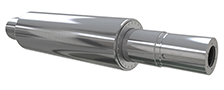
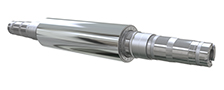
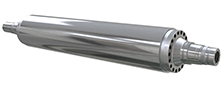
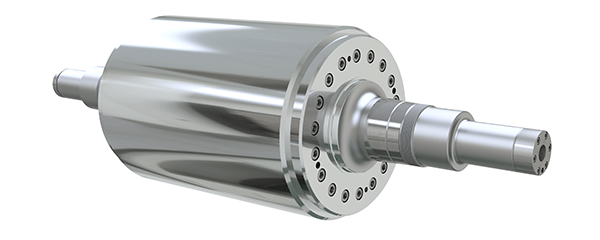
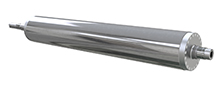
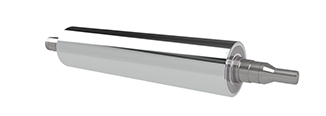
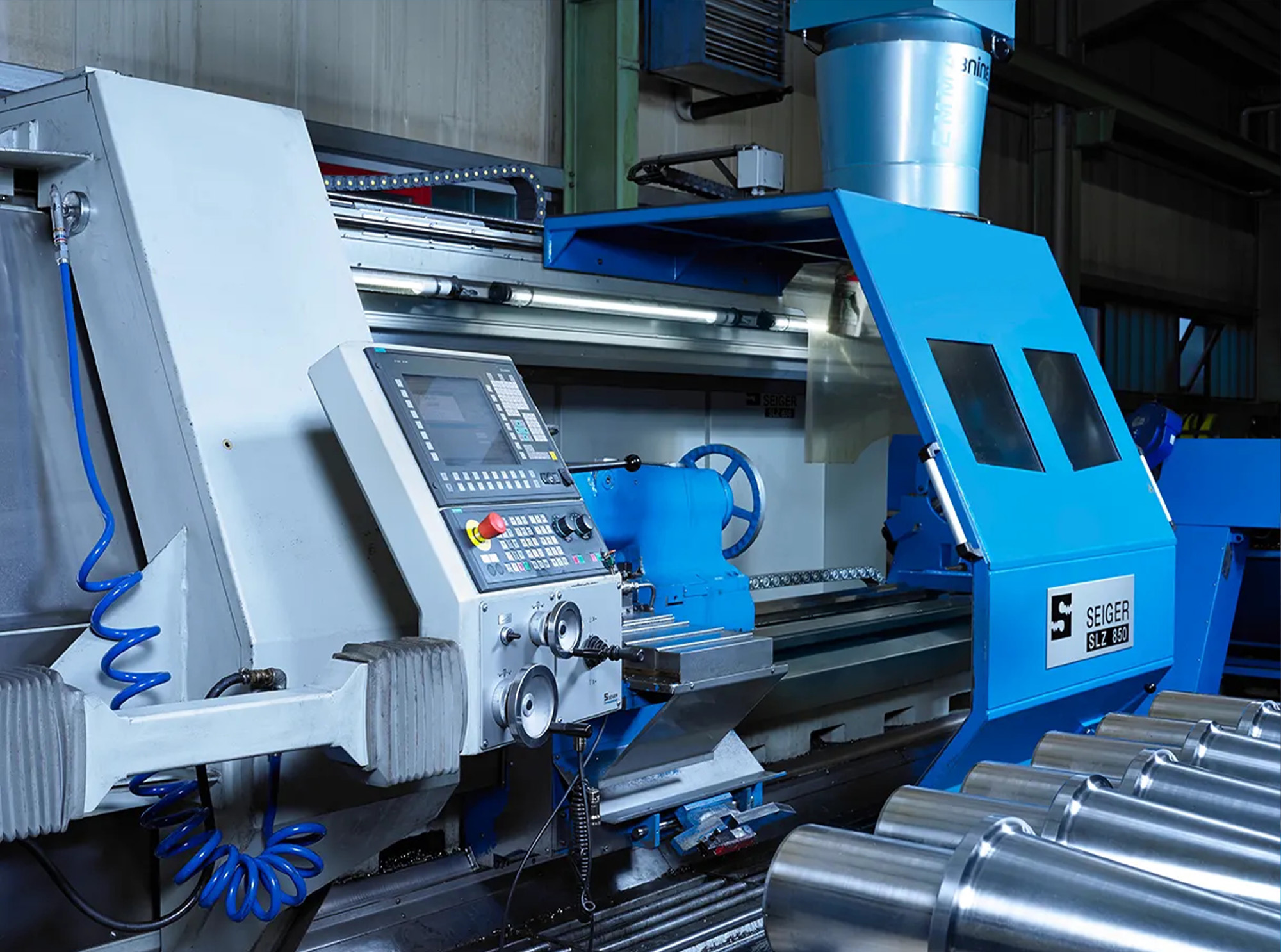
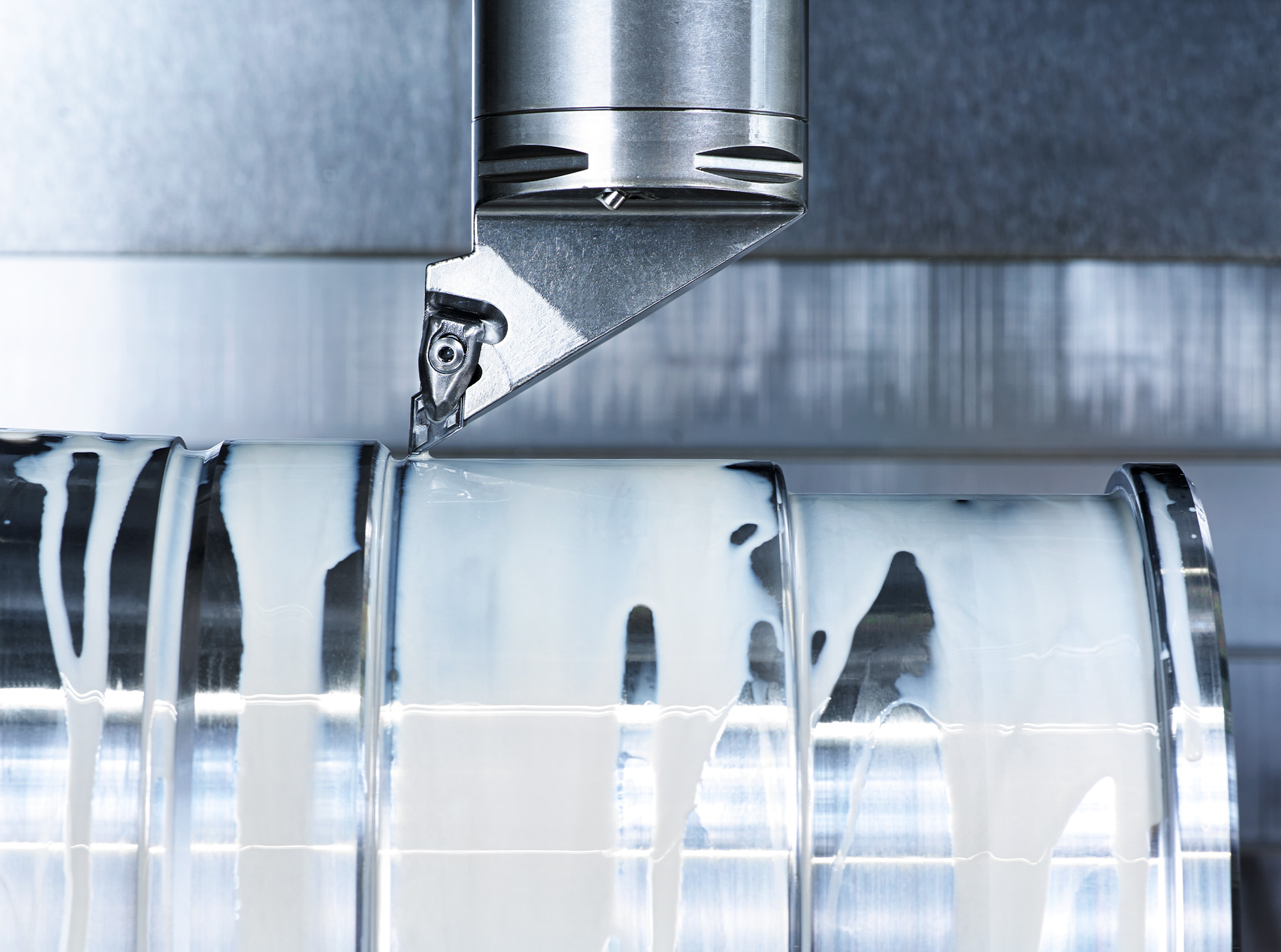
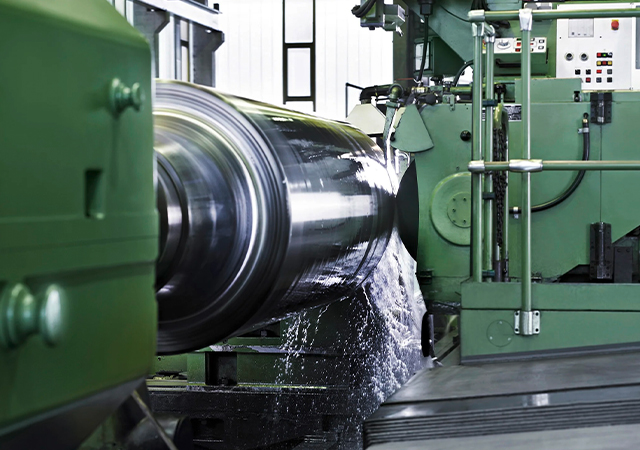
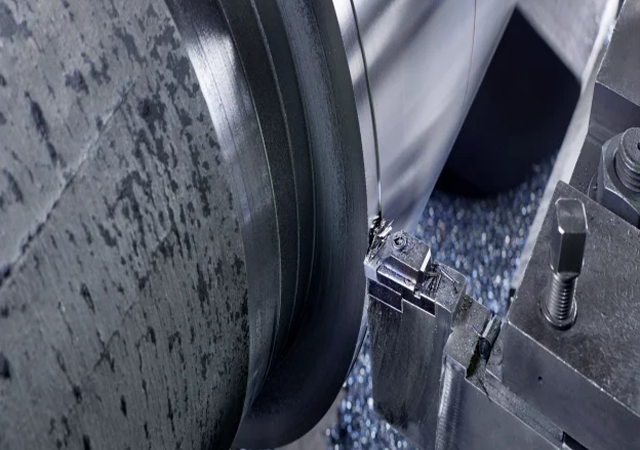
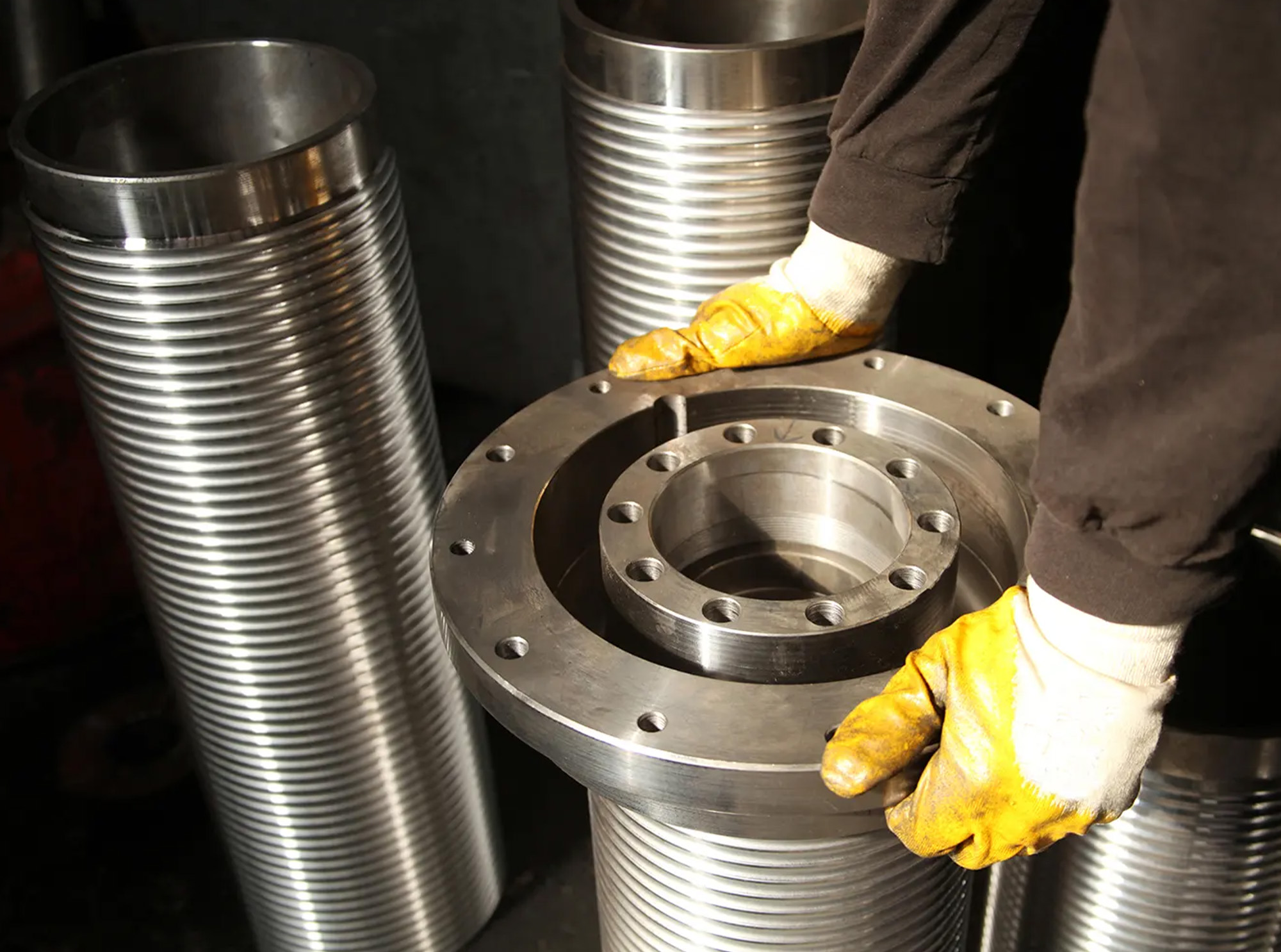
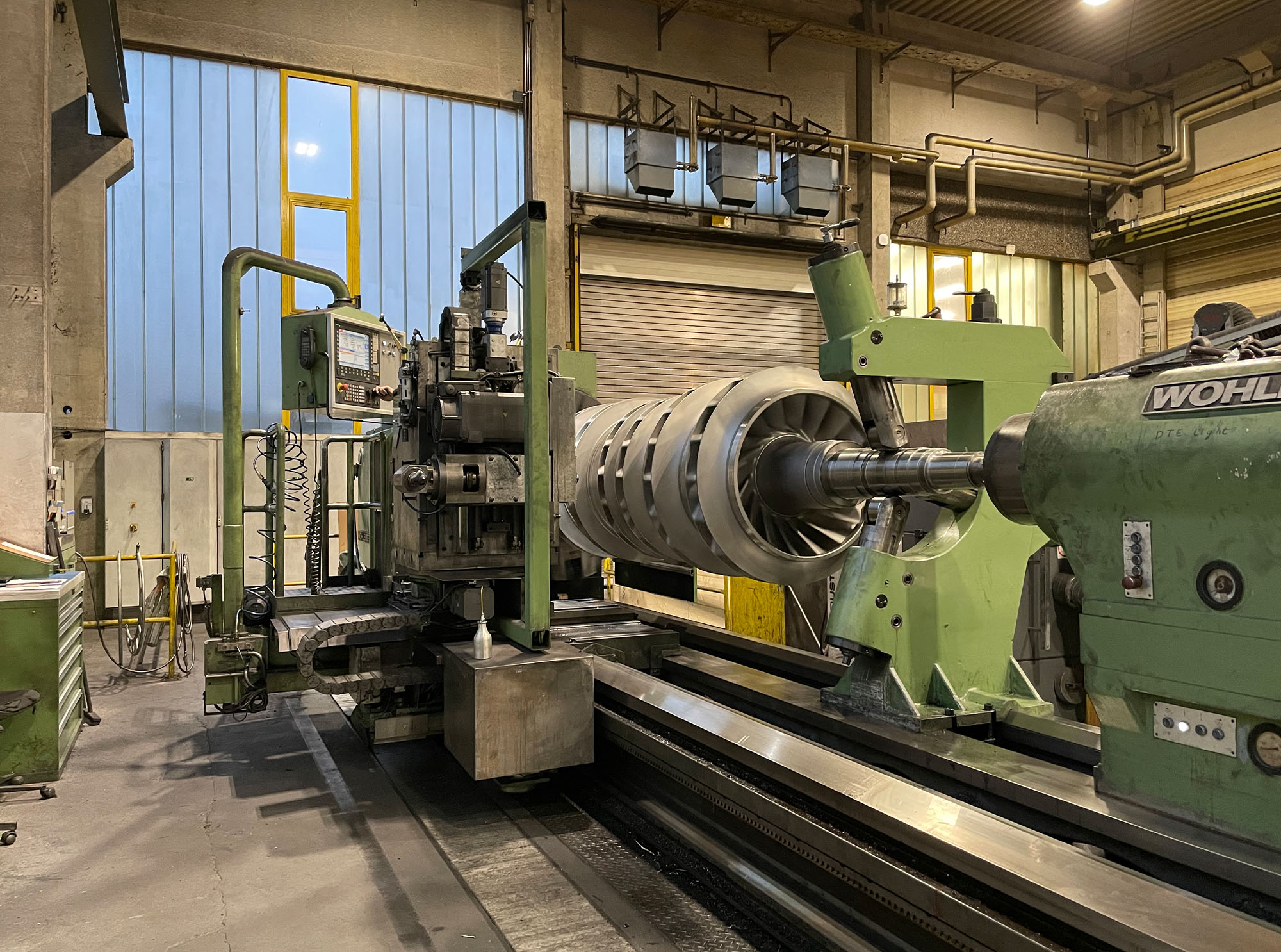
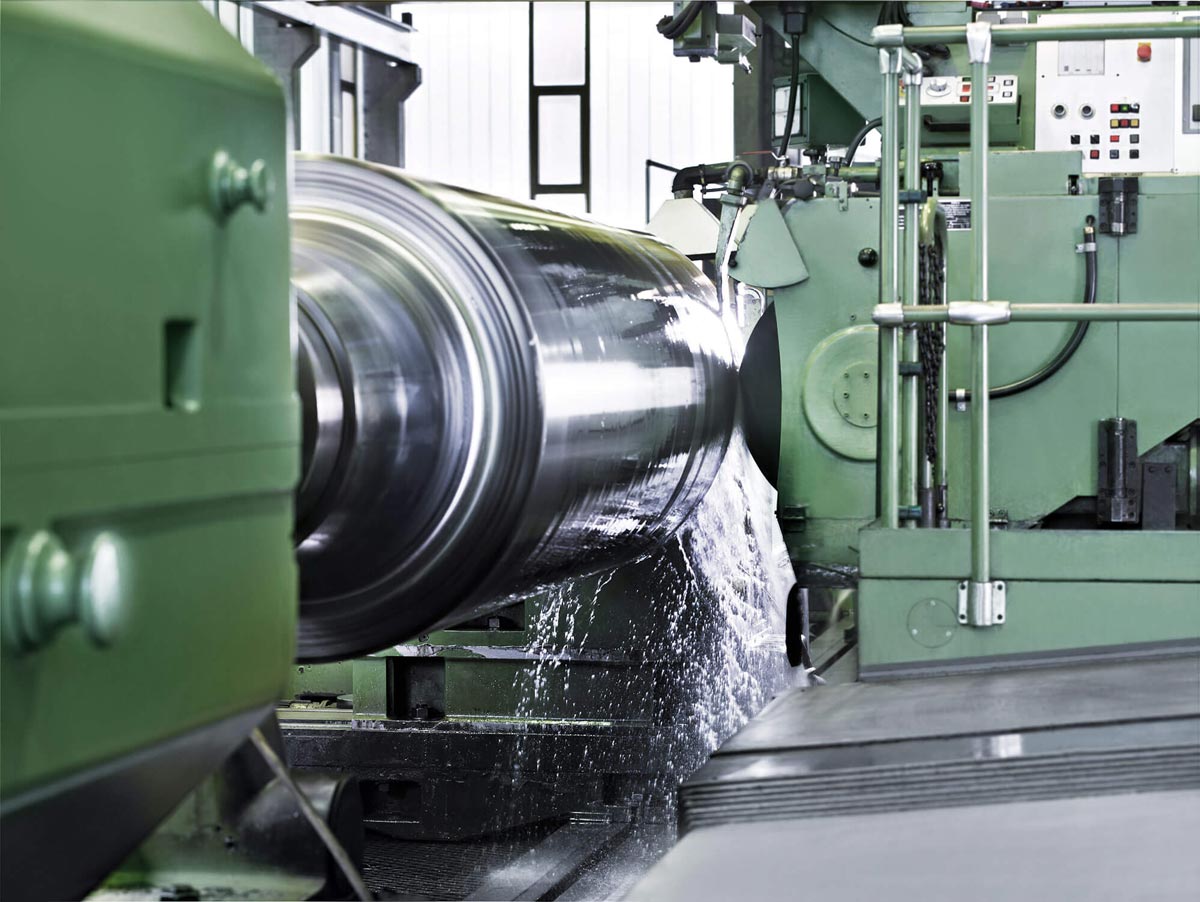
CNC turning is a machining process in which the workpiece rotates while a stationary cutting tool removes material. This technique is particularly well suited for rotationally symmetrical components such as shafts, axles, and rollers. Typical turning operations include form turning, facing, and profile turning, each enabling different geometries.
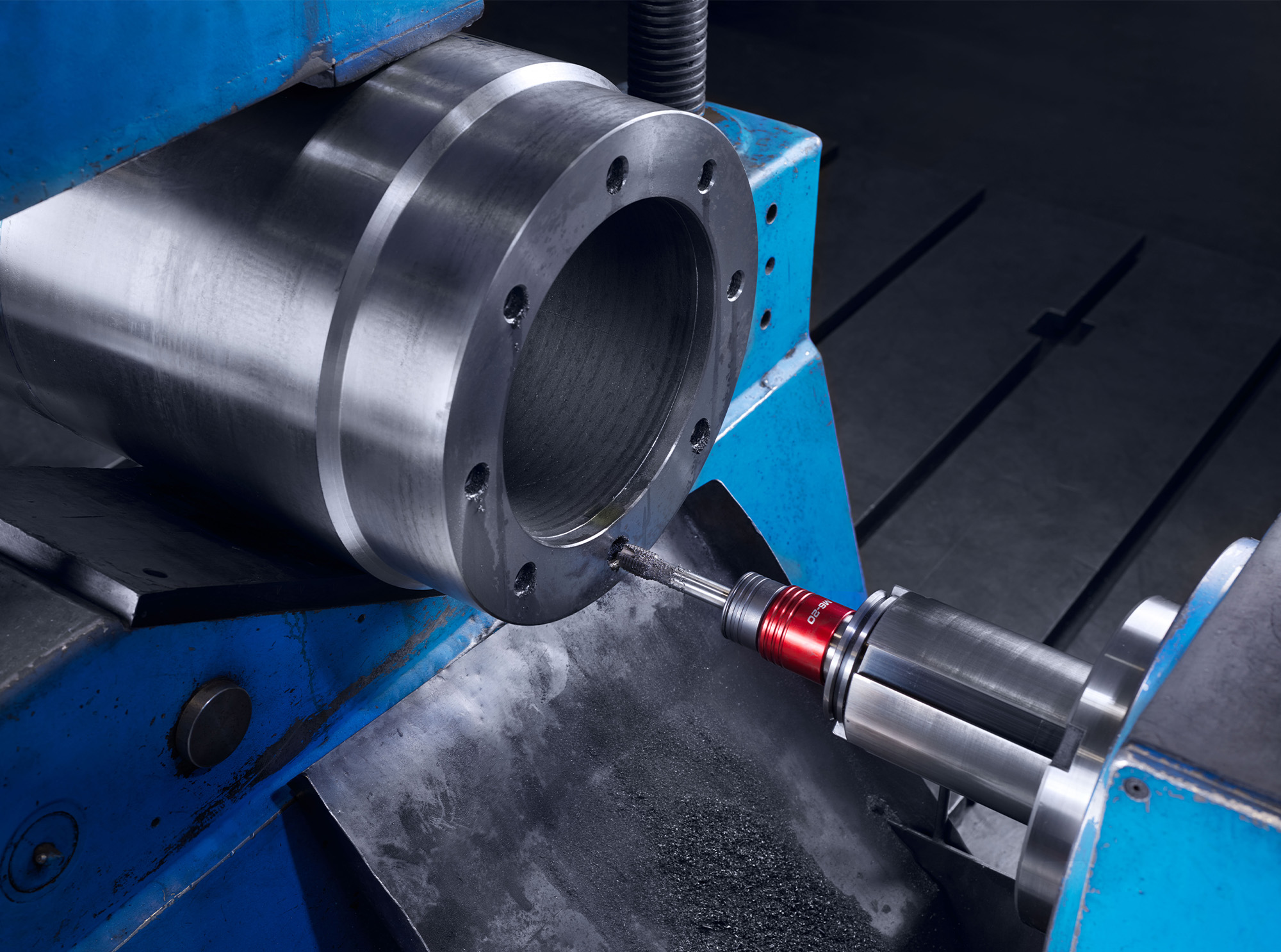
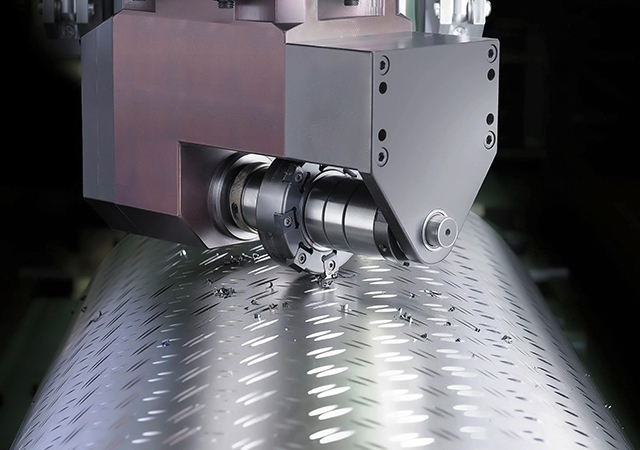
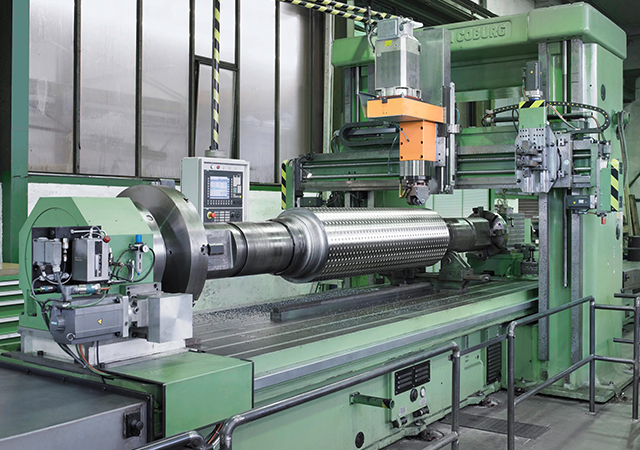
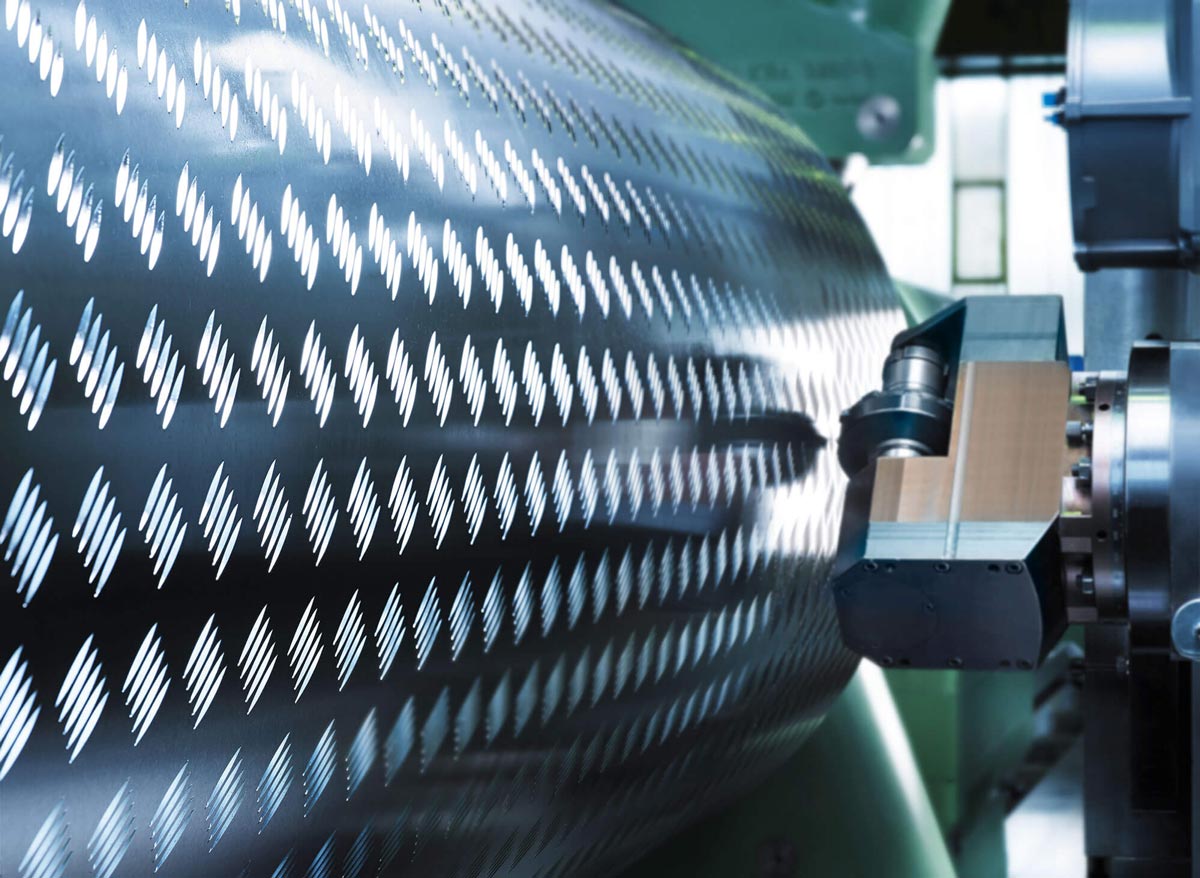
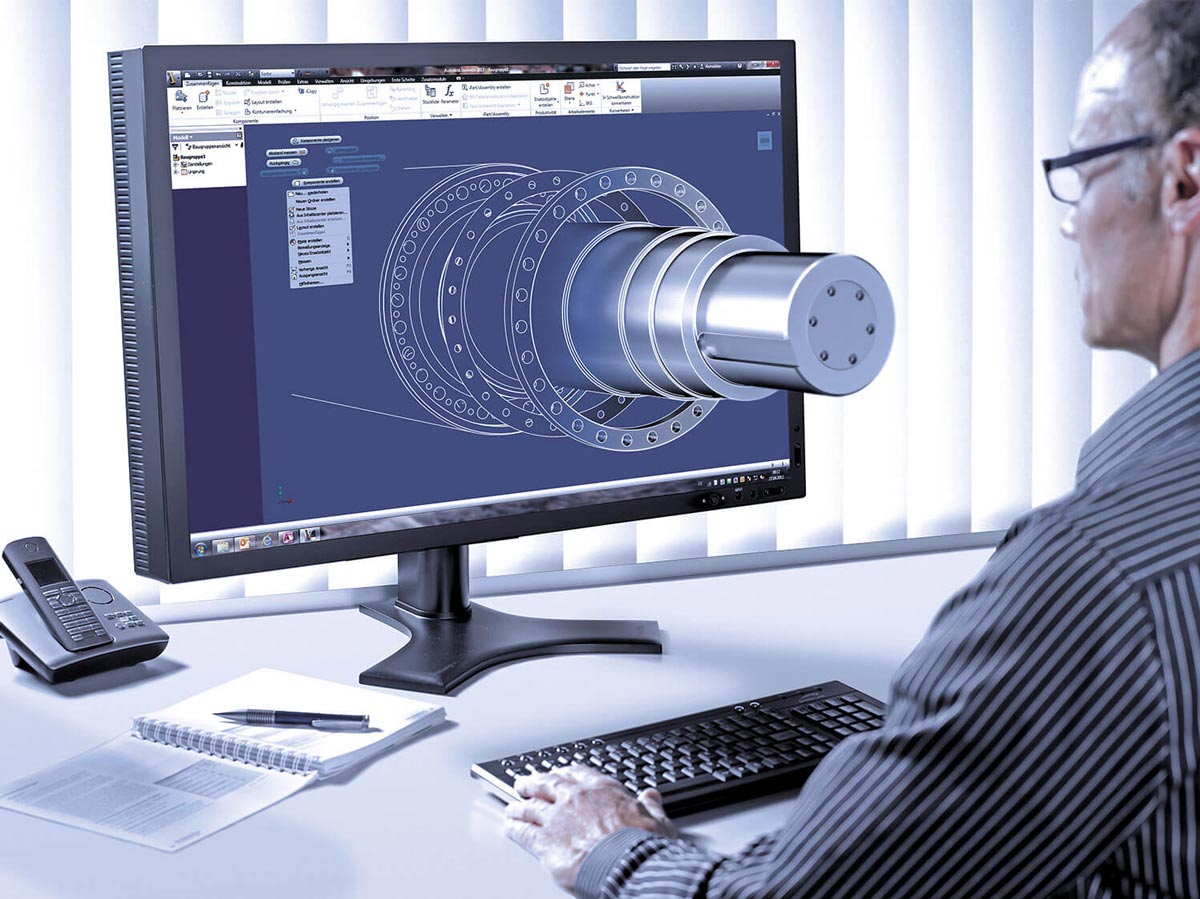
In contrast, during CNC milling the workpiece remains stationary while the rotating tool removes material. This method is ideal for machining complex geometries and flat surfaces. Milling operations include face milling, profile milling, and thread milling. By using CAD software, highly precise contour models can be created, making milling especially versatile. Conical shapes can also be produced.
Turning or Milling: Technical Aspects and Machine Functions
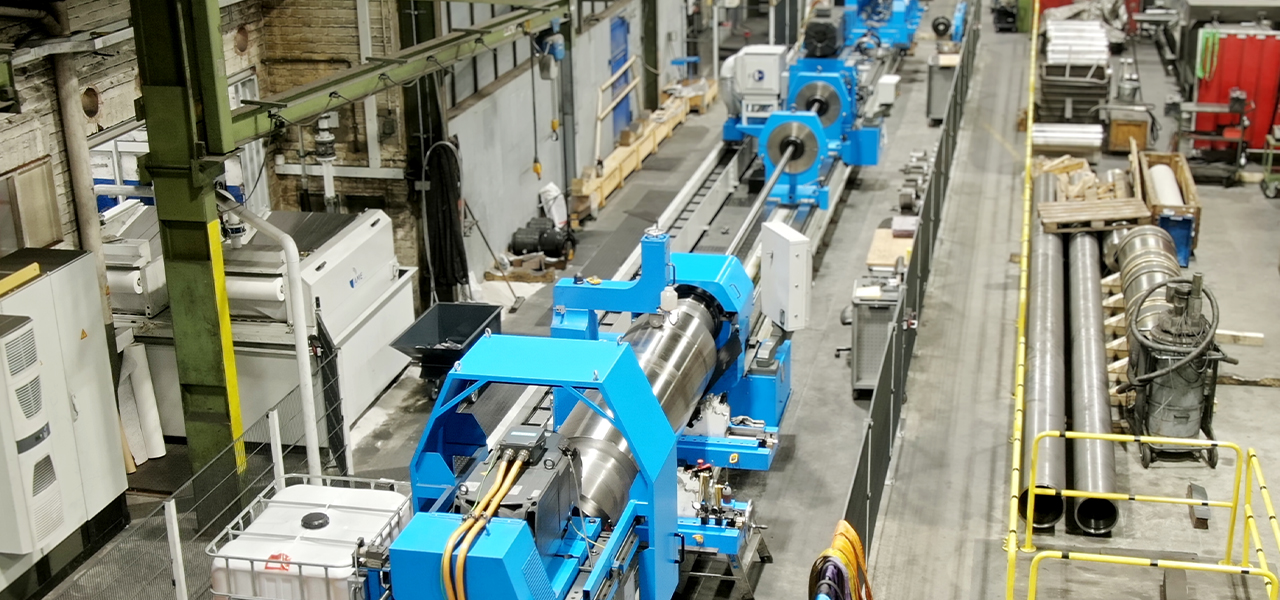
CNC lathes are specifically designed for machining rotationally symmetrical workpieces. They typically operate with two to four axes and enable continuous cutting processes. Common tools include turning tools and drills, which deliver precise results. Our CNC machining equipment is capable of processing workpieces with diameters of up to 1,980 mm and lengths of up to 15,000 mm. CNC milling machines, on the other hand, operate with multiple axes—often up to five or six—and are capable of producing complex shapes and contours. The tools used vary depending on the application and include milling cutters, drills, and thread cutters.
Turning or Milling: Areas of Application and Material Selection
When comparing CNC milling and CNC turning, turning is particularly suitable for manufacturing round workpieces such as gears, pipes, and ball joints. Typical materials include aluminum, bronze, steel, stainless steel, laminate materials, and titanium. These materials can be machined efficiently and precisely using turning processes. Milling offers a broader range of applications. It is frequently used for complex components, custom parts, and series production. Materials such as aluminum, ceramics, plastics, steel, cast iron, and stainless steel are well suited for milling, as they can be shaped into complex geometries and contours.
Turning or Milling: Advantages and Disadvantages of Machining Methods
Turning offers the advantage of cost-effective and fast production of simple, rotationally symmetrical components. It is characterized by high precision and short setup times. However, the range of possible geometries is limited. Milling, by contrast, stands out for its versatility and ability to create complex shapes and contours. The process enables fast production and precise final results. However, costs are higher—especially for simple geometries—because the milling process is more elaborate.
Decision Criteria and Cost Considerations
Several factors should be considered when deciding between turning and milling. Material properties play a key role: laminate materials and titanium are often better suited for turning, while materials such as ceramics and plastics are usually better machined by milling. The complexity of the workpieces is another decisive factor. Simple, rotationally symmetrical parts are ideal for turning, while complex and irregular components are better produced by milling. Accuracy requirements are also important and should be evaluated based on the technical specifications of the project. From a cost perspective, turning is often more efficient for producing simple shapes and single parts. Milling, on the other hand, allows complex requirements to be met but comes at a higher cost. Modern CNC technologies and multitasking machines combine the advantages of both methods and demonstrate how technological developments are making manufacturing more efficient and precise.
Conclusion: Turning or Milling?
Turning and milling are both essential methods in machining technology. Choosing the appropriate method depends on various factors, such as material properties, component complexity, and accuracy requirements. At hhpm by Breitenbach, we support you with extensive expertise and state-of-the-art technology to achieve optimal results for your project. Contact us for a non-binding consultation and customized solutions. We have the answer to whether turning or milling is the better choice for your specific requirements.