




















A well-functioning manufacturing strategy is a crucial factor for a company’s success. It defines the methods and approaches a company uses to produce its products and how these contribute to achieving business objectives. In today’s competitive market environment, the right manufacturing strategy is essential to produce efficiently, reduce costs, and meet customer requirements. A well-thought-out manufacturing strategy can help optimize production, improve quality, and shorten delivery times. It forms the foundation upon which all further decisions and processes are built. A clear manufacturing strategy also creates transparency and ensures that all employees and stakeholders work toward the same goal. We show you the options for choosing an efficient manufacturing strategy or even developing one yourself.
Historical and Modern Manufacturing Strategies
The development of manufacturing strategies has a long history. Originally, methods such as the Toyota Production System (TPS) and Just-in-Time (JIT) were developed to optimize production and minimize waste. These approaches paved the way for modern strategies such as Lean Manufacturing and Total Quality Management (TQM). These concepts aim to increase efficiency, reduce production costs, and improve product quality. The introduction of Quality Management Systems (QMS) has also helped implement standardized processes and promote continuous improvements.
- Toyota Production System (TPS) and Just-in-Time (JIT)
- Lean Manufacturing and TQM
- Quality Management Systems (QMS)
Core Elements of an Effective Manufacturing Strategy
A successful manufacturing strategy relies on customer focus and a holistic approach. Value creation for the customer is central, as only satisfied customers can be retained long-term. A holistic approach means that all resources, skills, and processes are integrated and aligned. This enables the company to respond flexibly to market changes and continuously implement improvements.
Customer Focus
The term “customer focus” means that all decisions and processes are aimed at creating the greatest possible benefit for the customer. This includes not only product quality but also aspects such as delivery times, customer service, and after-sales support. A customer-focused approach as a manufacturing strategy helps build long-term customer relationships and increase revenue.
Holistic Approach
A holistic approach in manufacturing strategy considers all aspects of the company, from raw material procurement through production to delivery of finished products. This requires close collaboration between departments and clear communication. An integrated approach helps identify and eliminate inefficiencies, leading to better overall company performance.
Flexibility and Adaptability
In a constantly changing market environment, flexibility is critical. A successful manufacturing strategy should be able to respond quickly to changes in demand, new technologies, and market trends. This requires continuous review and adjustment of processes and systems.
Types of Manufacturing Strategies
There are different types of manufacturing strategies, which can be selected depending on the business model and market requirements. Each of these strategies has its own advantages and disadvantages and is suitable for different production requirements.
Development and Implementation of a Manufacturing Strategy
The development of a manufacturing strategy begins with a thorough analysis of the current situation. This should include a SWOT analysis and benchmarking. Clear goals and KPIs are then established to measure success. Integrating technological innovations such as ERP and MES systems is crucial for implementing the strategy. Continuous training and process improvement ensure that the strategy is effectively implemented and adapted.
Analysis of the Current Situation
A comprehensive analysis of current production processes and structures is the first step in developing a manufacturing strategy. Strengths, weaknesses, opportunities, and threats are identified (SWOT analysis). Benchmarking helps compare performance with competitors and adopt best practices.
Setting Goals and KPIs
Based on the analysis, clear and measurable goals are defined. Key Performance Indicators (KPIs) serve as benchmarks for success and help monitor progress. Common KPIs include production costs, lead times, quality defects, and customer satisfaction.
Integration of Technological Innovations
Integrating ERP and MES systems (Enterprise Resource Planning and Manufacturing Execution Systems) is essential for implementing the manufacturing strategy. These systems enable seamless coordination between production processes and ensure efficient planning and control.
Training and Continuous Improvement
Continuous training is necessary to ensure the strategy is effectively implemented. Employees must be regularly trained on the latest technologies and processes. Continuous improvement (Kaizen) should be an integral part of the company culture.
Challenges and Solutions in Implementation
Common mistakes occur during the implementation of a manufacturing strategy. A frequent error is focusing on the mechanics of the strategy without considering the substance and key competencies. To avoid this, the value for the customer should always remain central. Flexibility and adaptability are also essential to respond to internal and external changes, requiring continuous review and adjustment of the strategy.
Common Mistakes and How to Avoid Them
A common mistake in implementing manufacturing strategies is focusing solely on applying methods without understanding the underlying principles. Employees need to understand both the methods and the reasons behind them to foster acceptance and increase the chances of success.
Flexibility and Adaptation
In a dynamic market environment, flexibility is key. A rigid strategy can quickly become obsolete if market conditions change. Therefore, the manufacturing strategy should be regularly reviewed and adjusted to respond to changes in demand, technological innovations, and market trends.
Resource Management
Effective resource management is another important aspect. This includes not only material resources such as raw materials and machinery but also intangible resources such as knowledge and skills. A good manufacturing strategy considers all available resources and deploys them efficiently to achieve production goals.
Innovative Manufacturing Strategies at the Cutting Edge | hhpm by Breitenbach
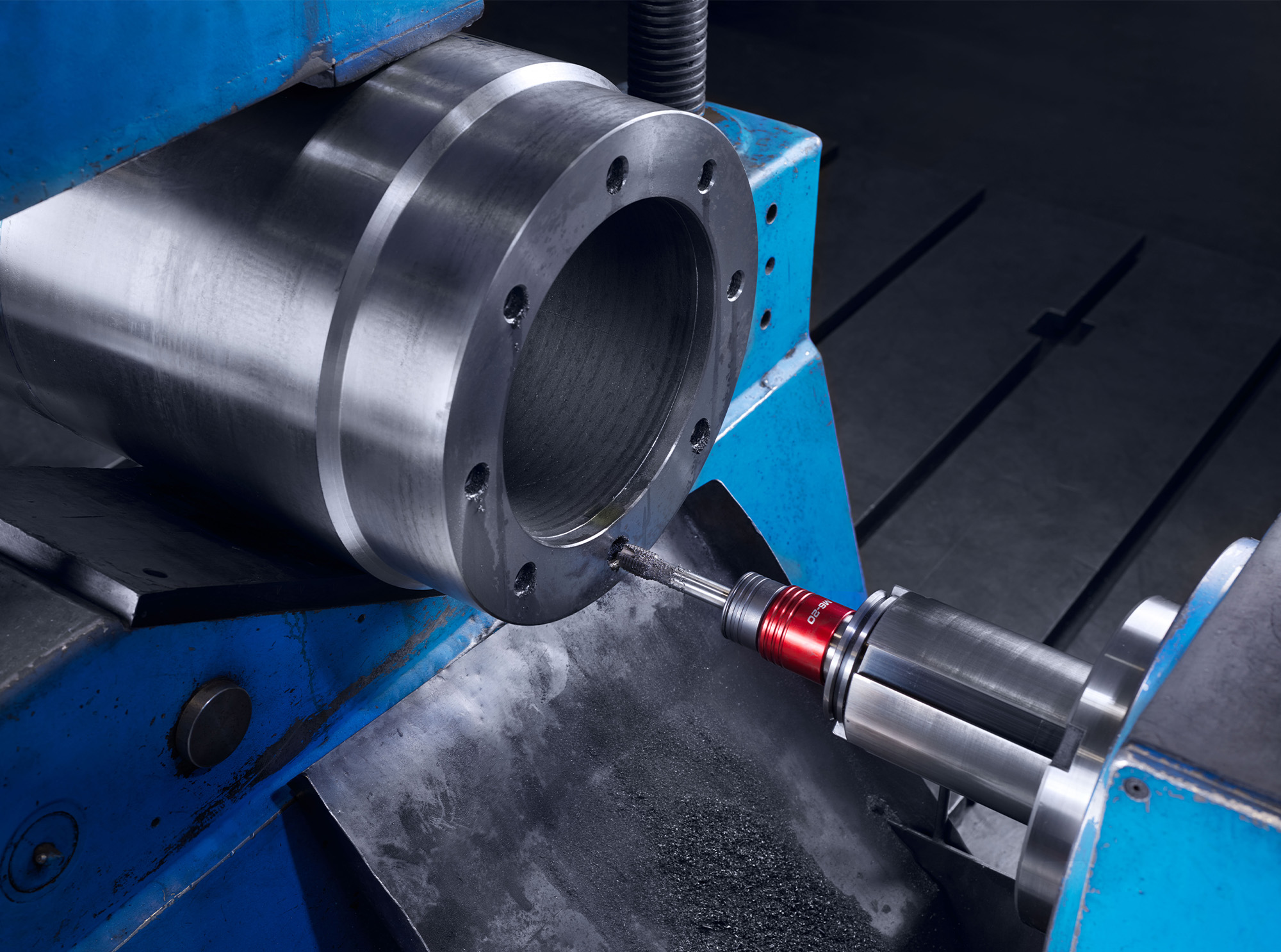
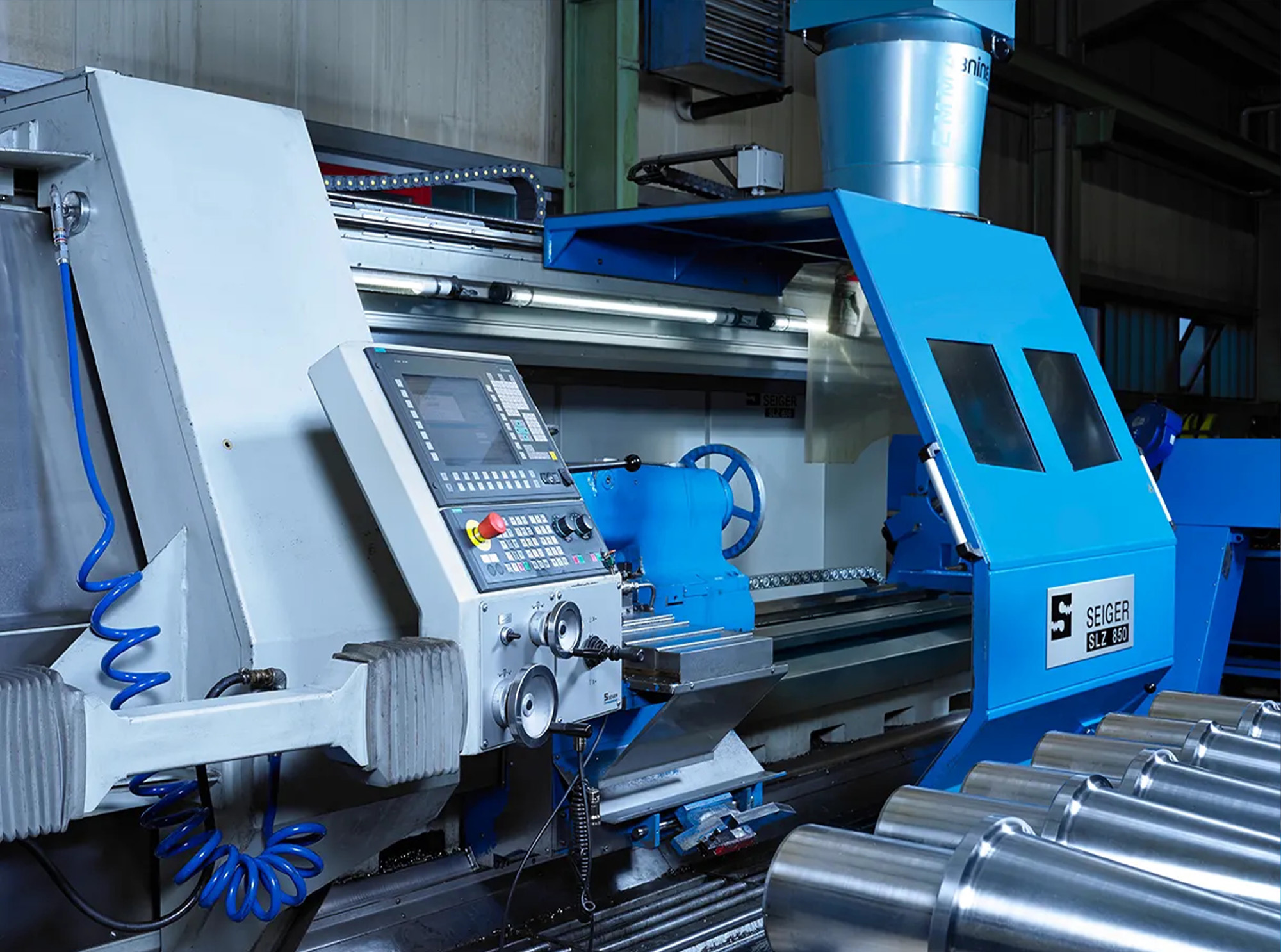
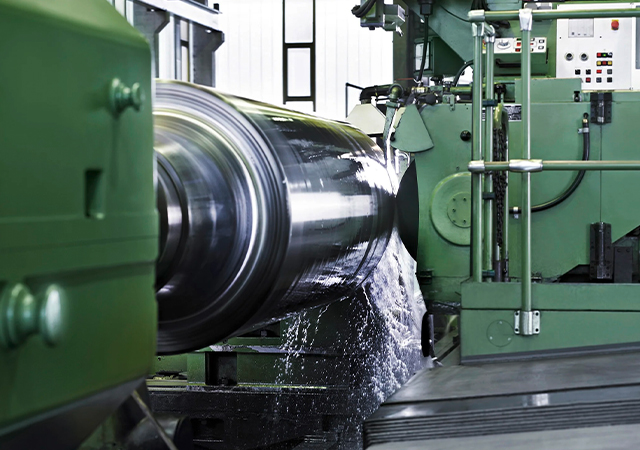
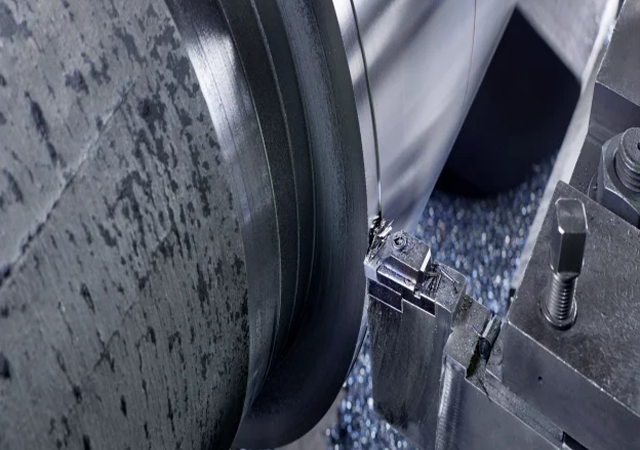
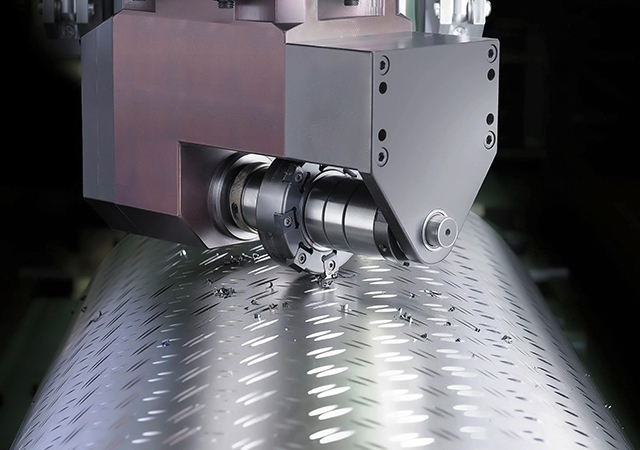
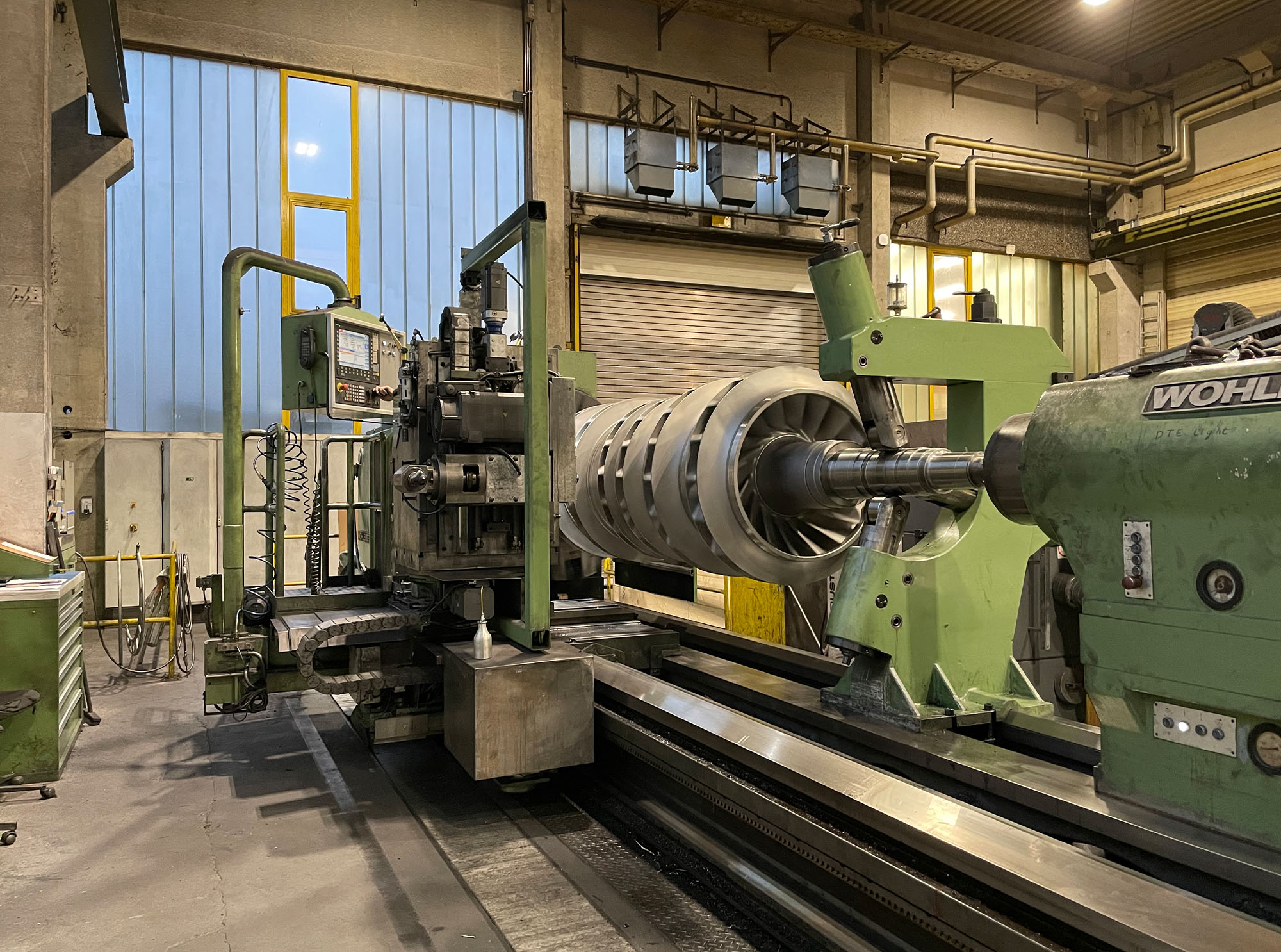
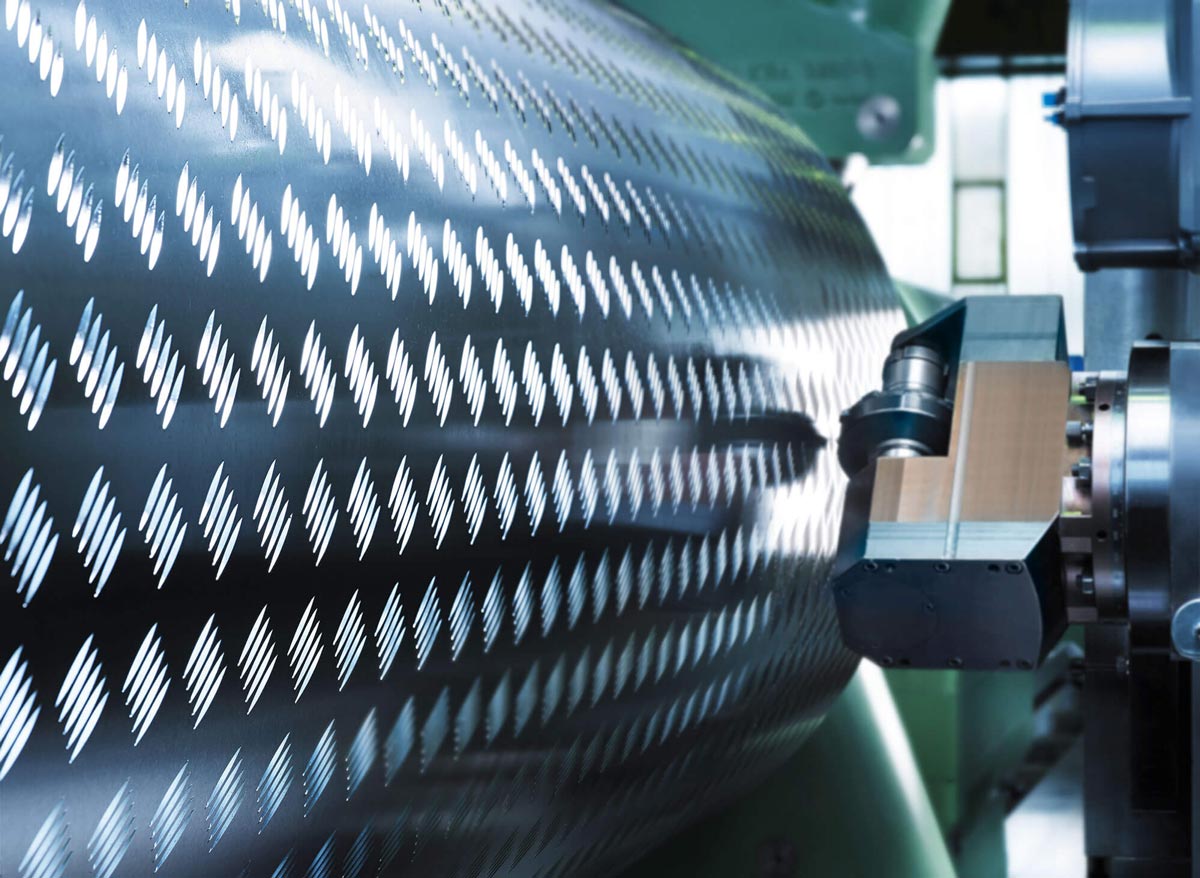
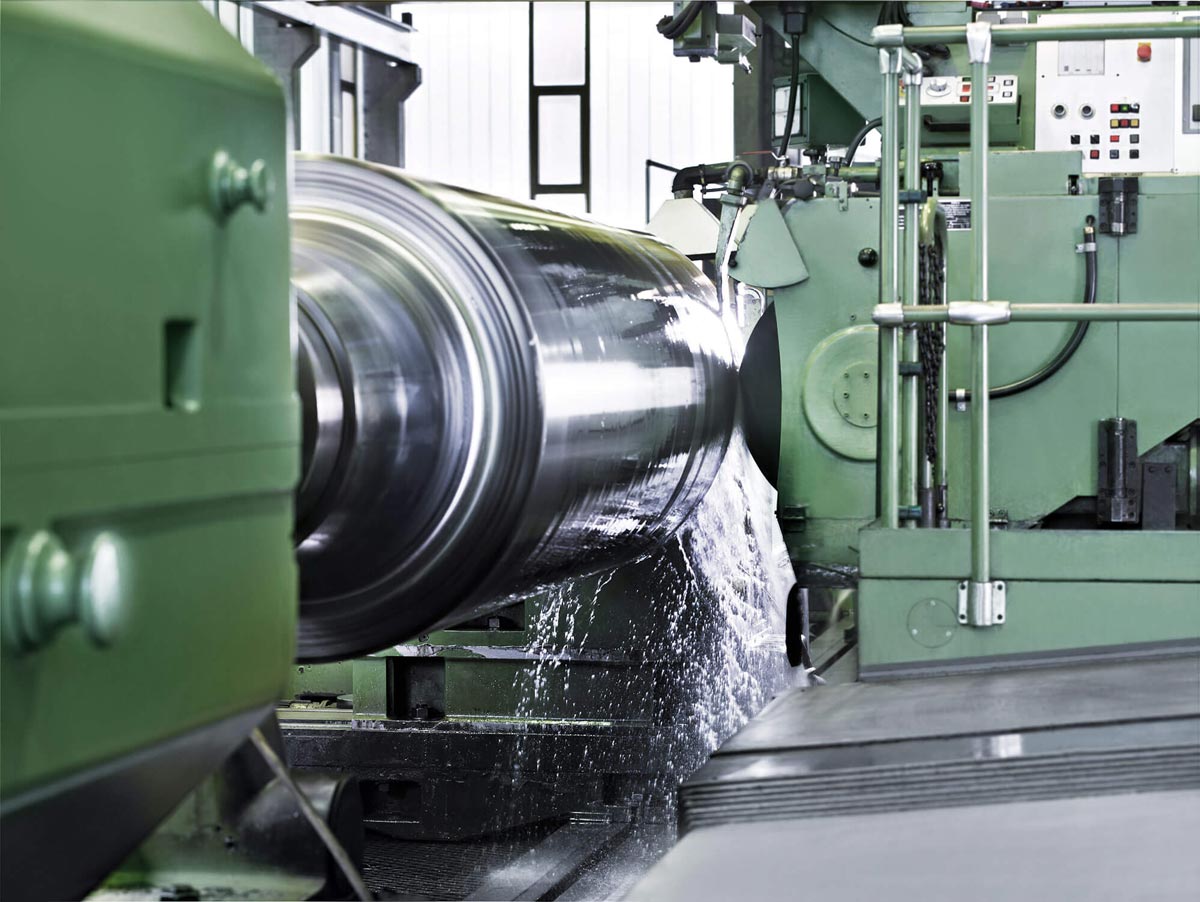
The future of manufacturing strategies will be strongly influenced by automation and digitalization. Technologies such as artificial intelligence and machine learning will further increase efficiency. Sustainability and flexibility will also play a key role. hhpm by Breitenbach offers comprehensive expertise and services in pre-turning, finish turning, grinding, deep hole drilling, and milling. Our successful projects demonstrate how we help companies implement their manufacturing strategies by leveraging our expertise.
Automation and Digitalization
Automation of production processes is becoming increasingly important. Robots and automated systems can perform repetitive tasks more efficiently and accurately than human labor. Digitalization enables better networking and control of production processes and facilitates the management and optimization of the entire production chain.
Sustainability and Flexibility
Sustainability will play an even greater role in the future. Companies must implement environmentally friendly and resource-efficient production methods to remain competitive and meet regulatory requirements. Flexibility is also essential to respond quickly to changes in demand and the market.
Expertise of hhpm by Breitenbach
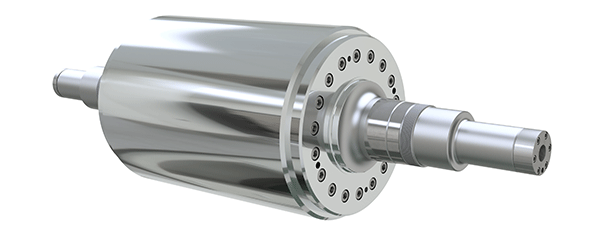
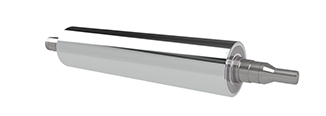
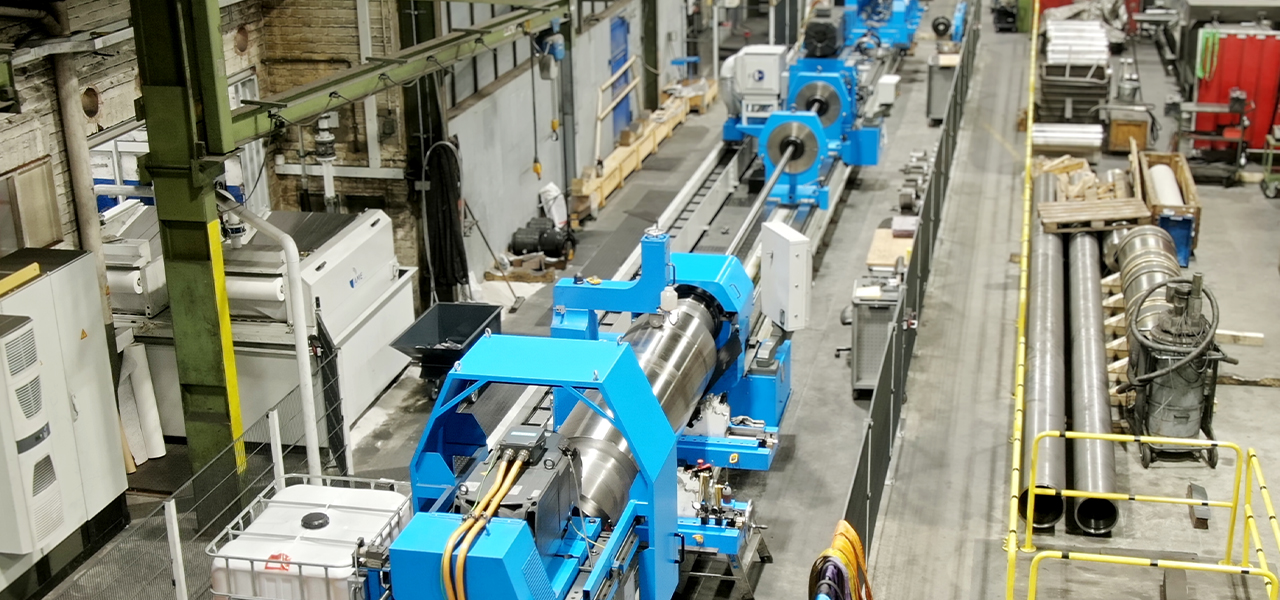
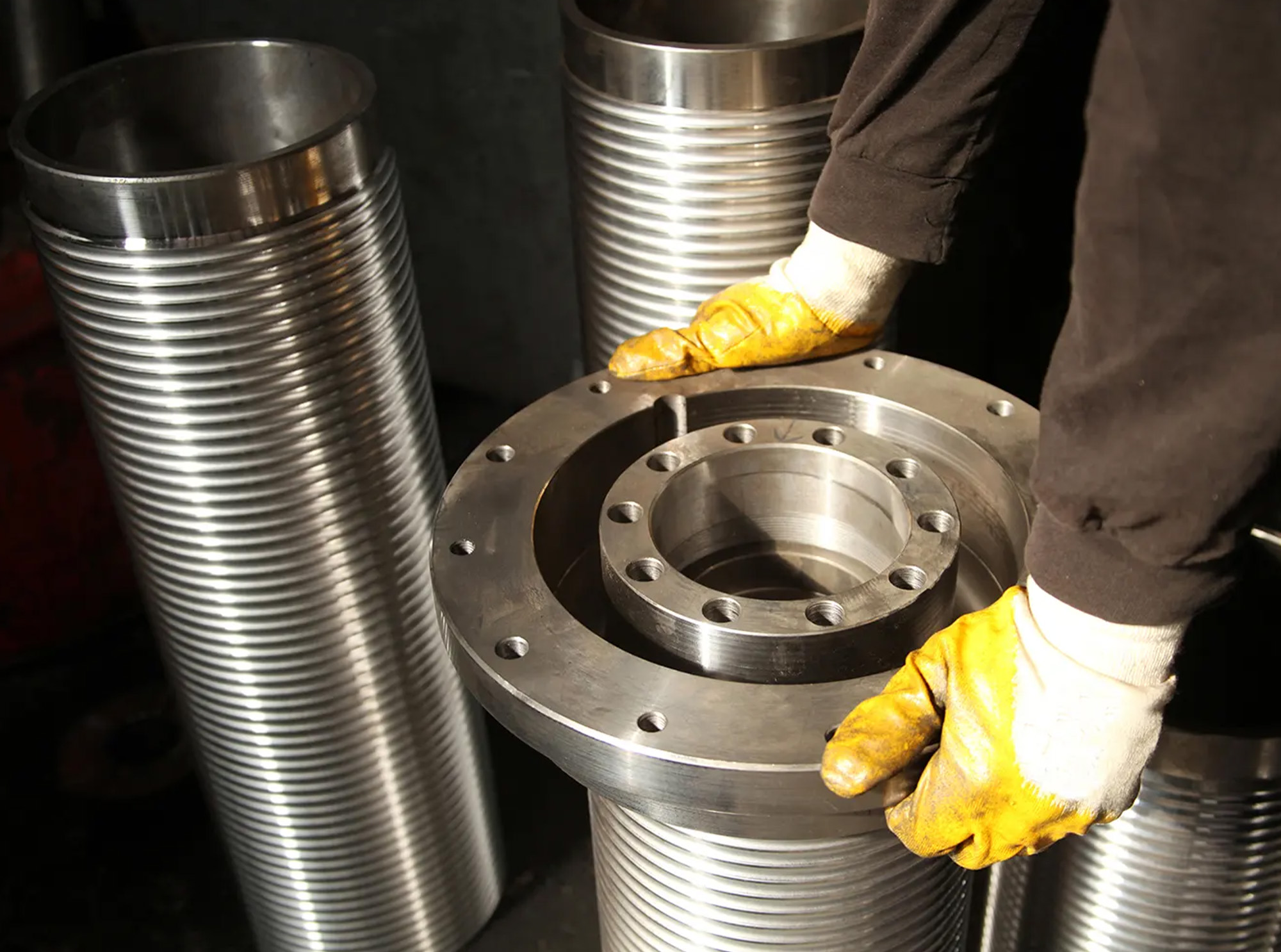
hhpm by Breitenbach has extensive experience and expertise in processing large, cylindrical workpieces. Our range of services in pre-turning, finish turning, grinding, deep hole drilling, and milling is designed for maximum precision and quality. We are a reliable partner who can support you in implementing your manufacturing strategy.